How to Choose French Patio Doors in 2026?
Choosing French patio doors in 2026 is not only about creating a beautiful connection with the garden. It is about balancing daylight, security, insulation, maintenance, and daily comfort. The right design should suit your home’s structure, local climate, and family routine. A narrow terrace may need inward-opening panels, while a wide living room can support a dramatic double-door arrangement. Measure the opening carefully. Small errors become expensive quickly.
French patio doors can be made from timber, uPVC, aluminium, or composite materials. Each option behaves differently in rain, sunlight, and temperature changes. Look for verified thermal performance, durable weather seals, strong hinges, and multi-point locking systems. Ask manufacturers for clear test data rather than relying on attractive claims. Independent certification and professional installation also matter, especially when replacing an older frame. A trusted installer should inspect lintels, damp risks, drainage, and the condition of the surrounding wall.
Beauty helps, but performance lasts.
This guide explores the practical decisions behind selecting French patio doors in 2026. It considers glass specifications, frame materials, opening styles, accessibility, ventilation, privacy, and long-term cost. Personal experience often reveals details brochures overlook, such as fingerprints on dark frames or curtains catching in poorly planned openings. No door is perfect. A low-maintenance finish may feel less traditional, while authentic timber may require regular care. Think carefully before choosing. The best result is not the trendiest door, but one that remains secure, comfortable, and useful for years.
French Patio Door Styles and Their Defining Features
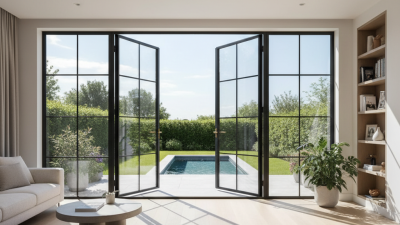
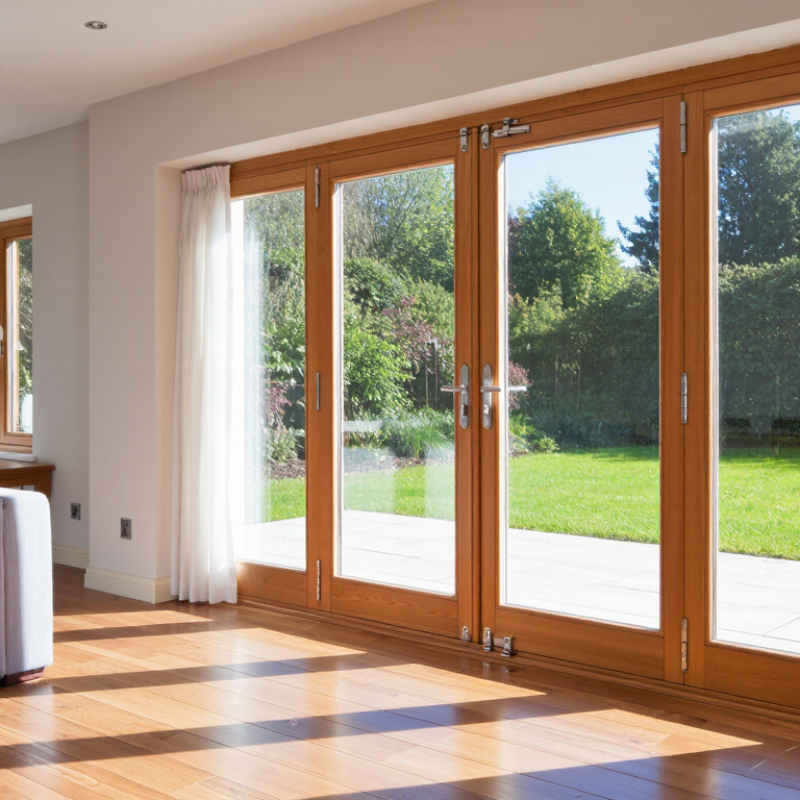
Choosing French patio doors in 2026 starts with style, but the frame must suit daily movement. Traditional double doors create a balanced opening with narrow sightlines. In-swing versions protect exterior hardware, while out-swing doors preserve indoor floor space. That difference matters beside a sofa, rug, or breakfast table. A poorly planned swing becomes annoying fast. Multi-panel French configurations offer wider views, yet they need stronger tracks and precise alignment.
Material changes the character and maintenance schedule. Wood gives warm grain and can be painted, but exposed edges need disciplined sealing. Fiberglass resists moisture and keeps a steadier shape through seasonal changes. Vinyl usually lowers maintenance, although thicker profiles can reduce visible glass. Look for insulated frames, warm-edge spacers, and low-emissivity glazing. The U.S. Department of Energy reports that windows account for roughly 25–30% of household heating and cooling energy use. Glazed French doors deserve similar scrutiny. Check U-factor and solar heat gain coefficient, not decorative grille patterns alone.
The National Fenestration Rating Council supports comparable product testing through standardized ratings. For safety, choose laminated or tempered glass where impact risk is high. Inspect the threshold before installation. A low threshold feels elegant but may challenge water management. Multi-point locks improve resistance and compression, but installation quality still matters. Ask for test documentation, drainage details, and service terms. I would not choose from showroom color alone. Morning glare, muddy shoes, and a child pushing the latch reveal flaws that photographs hide.
How to Choose French Patio Doors in 2026?
Compare common French patio door styles by the number of operable panels in a typical configuration. More operable panels can create a wider opening, while hinged designs usually provide a traditional appearance and strong ventilation control.
Hinged French doors usually use two operable panels that swing inward or outward. Sliding French-style doors commonly combine one moving panel with one fixed panel and require less clearance. Folding or bi-fold doors use several connected operable panels to create a broad opening. Single hinged doors suit compact spaces but provide a narrower passage.
Security, Weather Resistance, Accessibility, and Maintenance Needs
How to Choose French Patio Doors in 2026?
Security, Weather Resistance, Accessibility, and Maintenance Needs
French patio doors should be judged as part of the home’s envelope, not only as decorative features. In practical inspections, I check frame alignment, hinge strength, multipoint locking, and the distance between glass and exterior handles. Laminated or tempered glass can reduce injury risks, but glass alone is not a security system. Look for tested forced-entry performance and clearly documented hardware ratings. The U.S. Department of Energy reports that windows can account for about 25–30% of residential heating and cooling energy use. Poorly sealed doors may increase that burden.
Weather resistance needs equal attention. Review the product’s air leakage, water penetration, and structural performance results under NFRC and FGIA testing programs. A low U-factor supports better insulation, while an appropriate solar heat gain coefficient matters in sunny rooms. Do not choose the lowest number automatically. Climate and orientation change the answer. Coastal exposure, wind-driven rain, and freeze-thaw cycles demand different specifications.
Accessibility is often overlooked. Keep thresholds low, provide clear floor space, and test the handle with one hand. The 2024 International Residential Code and local requirements should guide final dimensions. Maintenance also affects real value: inspect drainage channels, clean tracks, lubricate approved hardware, and renew failed sealants. Manufacturers’ maintenance schedules vary, and I would not pretend otherwise. A beautiful door that sticks after one wet season is a poor choice. Small installation errors matter.
How to Compare Costs, Installation Methods, and Long-Term Value
How to Choose French Patio Doors in 2026?
Choosing French patio doors in 2026 requires more than comparing showroom prices. Compare the complete cost, including delivery, removal, preparation, hardware, finishing, and installation labor. A lower quote may exclude structural repairs or interior trim. Ask for an itemized estimate. It makes hidden charges easier to identify.
Installation method affects both price and performance. Replacement installation usually costs less when the existing frame remains square and dry. New construction installation offers better control over flashing, insulation, and threshold height. Check how the installer manages water drainage around the sill. A poorly sealed threshold can cause swelling, drafts, and floor damage. Request evidence of training, insurance, references, and written workmanship terms.
Tips: Measure the opening twice. Inspect the wall for moisture. Compare glass insulation values, frame materials, security hardware, and warranty coverage. Ask whether the quoted price includes testing and cleanup. Visit a completed installation if possible. Small details matter.
Long-term value comes from comfort, durability, and repairability, not appearance alone. Low-emission glazing can reduce heat loss, while properly adjusted hinges prevent uneven gaps. Review expected maintenance, replacement seal availability, and finish durability before signing. I once focused too heavily on the door price and overlooked trim repairs. That was an expensive lesson. Energy savings also depend on shading, orientation, and household use, so avoid guaranteed-payback claims. A careful comparison may feel slower, but it reveals the real cost.