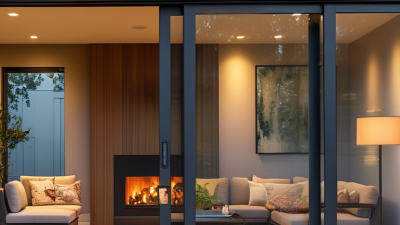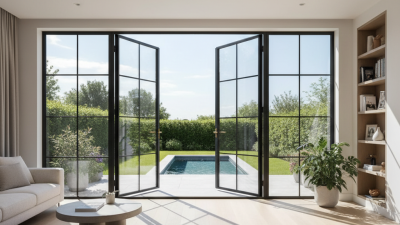
10 Tips for Buying Fiberglass Windows?

Buying fiberglass windows can feel simple until performance ratings, installation details, and long-term maintenance enter the discussion. A showroom may highlight smooth frames and attractive colors, but your home has different needs. Climate, wall construction, sunlight, humidity, and noise levels all influence the right choice. A coastal house may need stronger corrosion resistance. A cold-climate home may demand excellent thermal performance. Small details matter.

Building scientist Dr. Joseph Lstiburek offers a useful reminder: “Windows are holes in walls.” That statement sounds blunt, yet it explains why window selection deserves careful attention. Fiberglass windows can provide strength, dimensional stability, and low maintenance, but they are not automatically the best option for every project. Frame quality, glass configuration, drainage, seals, hardware, and installation workmanship can change the result. The most expensive model may still perform poorly when fitted badly.

This guide, “10 Tips for Buying Fiberglass Windows,” focuses on practical decisions rather than showroom promises. It examines energy ratings, frame construction, glass choices, warranties, sizing, ventilation, and installer qualifications. It also considers the details buyers often overlook, such as condensation near a cold frame or water collecting on an unfinished sill. Some recommendations may feel obvious. They are still easy to miss.

No checklist removes every uncertainty. Measurements can be imperfect. Product claims require verification. A thoughtful buyer compares tested data, asks precise questions, and studies the installation plan before signing. That process may take longer, but it can prevent costly surprises and support a more comfortable, durable home.
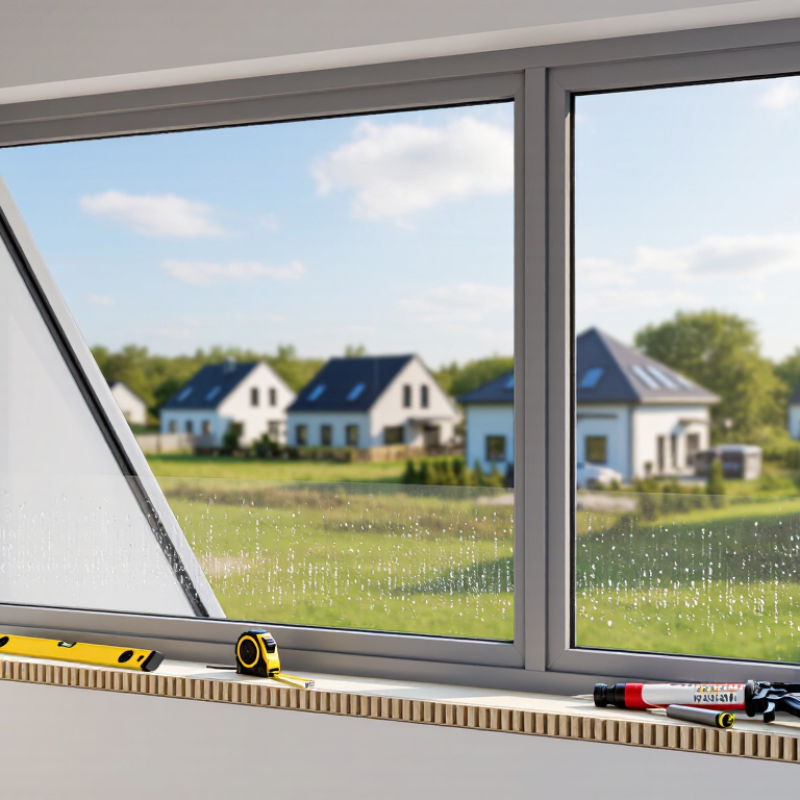
10 Tips for Buying Fiberglass Windows?

Define Fiberglass Windows and Their Key Advantages

Fiberglass Windows: Definition and Key Advantages

Fiberglass windows use glass fibers embedded in a polymer resin. This composite material creates a rigid, lightweight frame. Unlike wood, it does not absorb moisture. Unlike some plastics, it expands and contracts less under temperature changes.

That stability matters around glass edges and locking points. On a hot afternoon, a poorly fitted frame may bind or leave a small air gap. Fiberglass can reduce this movement, but installation still controls performance. The U.S. Department of Energy reports that windows can account for 25–30% of residential heating and cooling energy use. A strong frame helps, yet glass selection and sealing remain equally important.

Look for NFRC-rated U-factor and solar heat gain coefficient values. Lower U-factor usually means better insulation. Lower solar heat gain can help rooms facing intense sunlight. Fiberglass also resists rot, corrosion, and ordinary ultraviolet exposure, requiring limited maintenance. However, it is not automatically the best choice for every wall opening. Poor drainage, weak flashing, or careless installation can defeat an excellent frame. That is the uncomfortable detail buyers sometimes miss. Ask for measured opening dimensions, air-leakage data, and written installation procedures before comparing prices.

10 Tips for Buying Fiberglass Windows? — Define Fiberglass Windows and Their Key Advantages

No. Buying Dimension What to Check Why It Matters Practical Guidance
1 Understand the Material Fiberglass windows use glass fibers embedded in a polymer resin to form the frame and sash. The composite material provides high stiffness, dimensional stability, and resistance to moisture-related deterioration. Confirm that the frame, sash, and reinforcement components are fiberglass rather than only having a fiberglass-colored finish.
2 Compare U-Factor Review the whole-window U-factor, which measures heat transfer through the complete window assembly. A lower U-factor generally indicates better resistance to heat flow and improved cold-weather efficiency. Compare products of the same size and configuration using certified whole-window values, not frame-only claims.
3 Select Suitable Glazing Consider double or triple glazing, low-emissivity coatings, gas fills, and warm-edge spacers. Glazing usually has a major effect on insulation, interior surface temperature, solar gain, and condensation risk. Choose the glass package according to climate, orientation, heating needs, and local energy requirements.
4 Evaluate Solar Heat Gain Check the Solar Heat Gain Coefficient, or SHGC, which indicates how much solar radiation enters through the window. A lower SHGC can reduce unwanted summer heat, while a higher SHGC may be useful for passive winter solar gain. Use lower-SHGC glazing for strong cooling loads and carefully oriented sunny exposures; coordinate the choice with shading.
5 Check Air Leakage Look for the tested air-leakage rating of the complete operable window. Lower air leakage generally means fewer drafts, better comfort, and less uncontrolled energy loss. Compare certified ratings under the same test standard and pay attention to weatherstripping and locking-point design.
6 Review Water Resistance Verify that the product has been tested for water penetration and inspect the sill, drainage paths, and weep openings. Proper drainage helps prevent water intrusion and protects surrounding wall materials. Match the tested performance to the building’s exposure, wind conditions, height, and installation details.
7 Consider Climate Durability Assess resistance to rot, corrosion, swelling, shrinking, and temperature-related movement. Fiberglass is non-porous and generally resists rot and corrosion, while its thermal movement is relatively low compared with many materials. Ask for finish limitations, coastal-environment guidance, and cleaning instructions before purchase.
8 Inspect Operation and Hardware Test opening force, locking, hinges, rollers, screens, and the smoothness of operation. Well-fitted hardware supports ventilation, security, weather sealing, and long-term usability. Operate a full-size sample when possible; confirm that replacement hardware and screens are available.
9 Prioritize Installation Quality Review sill pan flashing, perimeter sealing, shimming, fastening, insulation, and integration with the wall system. Even a high-performing window can leak or draft if it is incorrectly sized, aligned, flashed, or sealed. Obtain a written installation scope and verify that the installer follows applicable building codes and manufacturer instructions.
10 Compare Warranty and Maintenance Check coverage for frames, glass, hardware, screens, finish, labor, and transferability. A clear warranty helps identify which defects are covered and who is responsible for service after installation. Confirm exclusions, registration requirements, service procedures, and recommended cleaning or repainting intervals.

Note: Window performance requirements vary by climate zone, building orientation, local codes, and installation conditions. Always compare certified whole-window test data for the specific size and configuration being purchased.
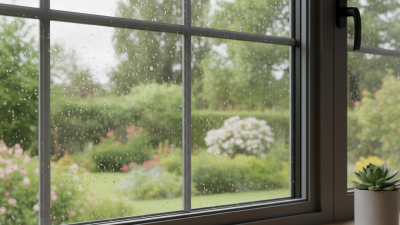

Assess Window Sizes, Styles, and Home Design Requirements

10 Tips for Buying Fiberglass Windows

Assess Window Sizes, Styles, and Home Design Requirements

Measure each opening at three points: top, center, and bottom. Record width, height, wall depth, and squareness.

Tip 1: Never assume identical windows match. Tip 2: Check egress rules for bedrooms. Tip 3: Confirm furniture clearance before choosing casement, awning, sliding, or double-hung styles. Tip 4: Match sightlines with existing trim and roof proportions.

A beautiful window can still look misplaced.

Fiberglass frames suit large openings because they resist expansion and contraction. However, glass selection often matters more than frame material. The U.S. Department of Energy reports that windows can account for 25–30% of residential heating and cooling energy use.

Tip 5: Compare U-factor for heat transfer.
Tip 6: Compare Solar Heat Gain Coefficient for local sunlight.

Tip 7: Select low-emissivity glazing when climate and orientation support it.
Tip 8: Inspect the National Fenestration Rating Council label.

It provides tested, comparable performance data. North-facing and west-facing windows may need different specifications.

Tip 9: Ask how the sill, flashing, and drainage will handle rain. Tip 10: Review installation tolerances, not only the product warranty.

Professional field experience shows that a premium window performs poorly when an opening is damp or poorly prepared. The ENERGY STAR program also emphasizes climate-specific window selection. A perfect specification is rarely realistic.

I would recheck measurements after removing interior trim, because old framing can hide uneven masonry. Then compare samples outdoors, where color and reflection change noticeably.

Compare Energy Efficiency, Glass Options, and Weather Performance

10 Tips for Buying Fiberglass Windows

Fiberglass windows deserve comparison beyond frame strength. The U.S. Department of Energy reports that windows can cause 25% to 30% of residential heating and cooling energy use. Check U-factor first. Lower values generally mean better insulation. Review the solar heat gain coefficient, too. Lower SHGC can help hot climates, while higher values may benefit cold, sunny rooms. Ask for certified NFRC ratings, not vague claims. Inspect visible transmittance if daylight matters. A bright room may reduce daytime lighting demand. Measure air leakage carefully. Small gaps can undermine impressive glass performance.

Glass selection changes comfort near the window. Low-emissivity coatings reduce radiant heat transfer, according to DOE guidance. Double glazing suits many moderate climates, but triple glazing can improve cold-weather comfort. Argon-filled cavities may offer additional insulation. They are not magic. Compare condensation resistance, especially in humid rooms. Examine warm-edge spacers and edge seals. These small components influence the coldest part of the glass. I would also request acoustic data if traffic noise is nearby. Thermal ratings rarely predict sound control perfectly.

Weather performance needs practical testing. Look for published water penetration, wind-load, and air-infiltration results under recognized fenestration standards. Confirm the frame profile fits the wall depth and drainage path. A strong window can still leak after poor installation. Review the installer’s documented experience, flashing method, and service process. Photograph the sill before interior trim covers it. That step feels excessive, but it can reveal problems later. Finally, compare the whole-window rating, warranty limits, and local climate needs. My checklist is useful, not flawless; real exposure, shading, and workmanship can change the outcome.

10 Tips for Buying Fiberglass Windows: Compare Energy Efficiency, Glass Options, and Weather Performance

Lower U-factor values indicate better resistance to heat transfer, while SHGC shows the fraction of solar heat admitted through the glass. The values below represent typical performance levels for common glazing configurations; exact results vary by frame, coating, spacer, gas fill, and window size. Always verify the NFRC label and check air leakage, water resistance, and condensation-resistance ratings before buying.

Evaluate Frame Quality, Installation Methods, and Warranty Coverage

Fiberglass windows deserve more than a quick price comparison. Examine the frame corners, drainage paths, glazing pockets, and hardware attachment points. A rigid frame should feel solid, not hollow or twisted. Ask for the product’s NFRC label, including U-factor, solar heat gain coefficient, and air-leakage rating.

The U.S. Department of Energy estimates that windows can account for 25–30% of residential heating and cooling energy use.

Poorly fitted frames can increase that burden.

Installation quality matters just as much as frame quality. Confirm whether installers will use sill pans, backer rod, low-expansion foam, and compatible flashing. The American Architectural Manufacturers Association installation guidance stresses continuous water management around openings.

Ask for photographs behind the trim. They reveal details that a finished wall hides. A small gap can become a cold draft or a damp corner.

I once considered a low U-factor the complete answer. That was too simple. Air sealing and drainage deserve equal attention.

Read the warranty before ordering. Check coverage for glass seals, frame defects, finish changes, hardware, labor, and transfer to a future owner. The Federal Trade Commission advises consumers to review written warranty terms, exclusions, and repair procedures carefully.

Some warranties cover replacement parts but exclude installation labor. That difference can become expensive.

Request the installer’s insurance details, licensing information, references, and written scope. ENERGY STAR’s residential window criteria can help compare certified performance, but certification does not guarantee flawless installation. Ask harder questions.

Set a Budget and Select a Reliable Window Supplier

10 Tips for Buying Fiberglass Windows

Set a Budget and Select a Reliable Window Supplier

A realistic budget should cover more than the window price. Include delivery, removal of old frames, installation, trim, and possible wall repairs. Fiberglass windows often cost more than vinyl, but their strength and dimensional stability can support long-term value. Measure each opening carefully, because small errors can create expensive changes later. Leave a modest contingency fund. I once underestimated interior finishing costs, and the mistake was frustrating.

Tip: Request detailed, itemized quotes from at least three suppliers. Compare frame construction, glass packages, hardware, installation methods, and warranty coverage. A low quote may exclude essential work. Ask whether the supplier uses trained installers and follows local building requirements. Clear answers matter.

A reliable supplier should provide physical samples, technical specifications, realistic lead times, and written service terms. Check recent customer references, but do not rely on reviews alone. Visit a completed project if possible. Observe whether the windows close smoothly, sit squarely, and show clean sealant lines. Ask how the supplier handles damaged units or delayed delivery. Their response reveals more than polished advertising.

Tip: Review the warranty carefully. Confirm who covers labor, glass failure, hardware, and color changes. Keep every quote and measurement. That paperwork protects your budget. Maybe the cheapest option is acceptable, but only after the details are genuinely comparable.