How to Choose the Best Exterior Doors for Your Home?
Choosing the right exterior doors for your home is crucial. They serve as the first impression for visitors and are essential for security. Mark Thompson, a renowned expert in the exterior doors industry, once stated, "Exterior doors are not just an entryway; they express the character of your entire home."
When selecting exterior doors, consider material, style, and durability. Wood doors exude warmth, while fiberglass offers excellent insulation. Steel doors provide unmatched security. Each choice affects aesthetics and performance. Look for energy-efficient options that can reduce costs over time.
Don't overlook the importance of proper installation. A beautifully designed door may fail if not installed correctly. Custom-fit doors can enhance both beauty and function. Reflect on your needs and preferences. Every detail counts in making your home welcoming and secure.
Understanding Different Types of Exterior Doors: Materials and Styles
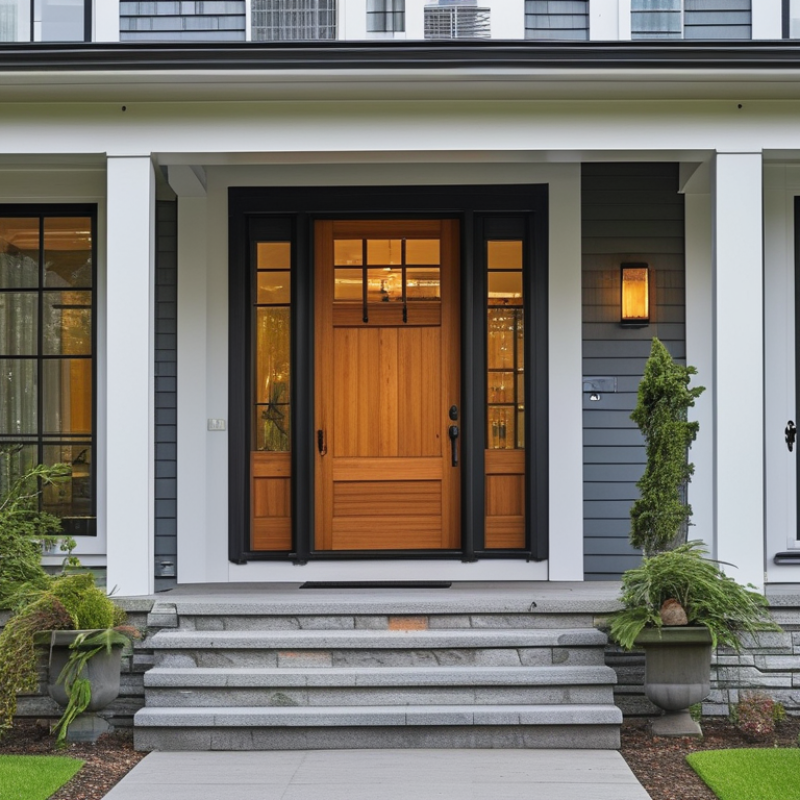
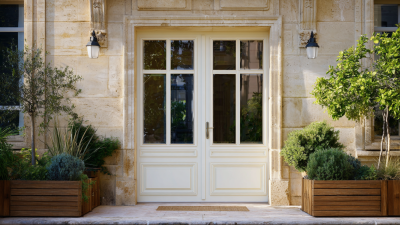
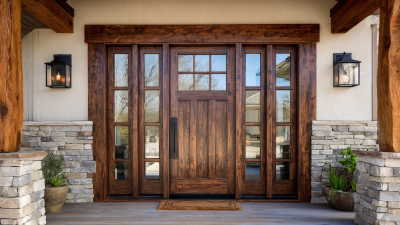
Choosing the right exterior doors can significantly impact your home's curb appeal and security. Various materials and styles cater to different preferences and needs. Wood doors offer a classic, warm look. They can be painted or stained, adding character to your home. However, they may require more maintenance than other options.
Steel doors provide durability and enhanced security. They withstand harsh weather conditions, making them a solid choice for many homeowners. However, they can dent easily and lack the distinctive appeal of wood. Fiberglass doors combine aesthetics with resilience. They mimic the look of wood while resisting warping and cracking. But their higher price tag may be a concern for some.
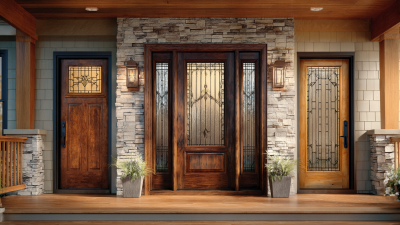
When it comes to styles, you might consider traditional, contemporary, or even custom designs. Each can set the tone for your home. Traditional doors often feature decorative elements like panels or glass inserts, inviting warmth. Contemporary styles lean towards minimalism, emphasizing clean lines. Custom designs can showcase your personality, but they also require careful planning and budgeting. Reflect on what fits your home best, knowing that each choice has its advantages and drawbacks.
Assessing Your Home's Architectural Style for Door Selection
When selecting the right exterior doors for your home, consider your home’s architectural style. This choice plays a significant role in the overall aesthetic. A modern home may benefit from sleek, minimalist doors. Conversely, traditional homes often look best with classic wooden doors. Pay attention to the materials used.
Think about color too. Bold colors can make a statement, while neutrals blend more seamlessly. Reflect on the details that match your home’s style. For instance, ornamental hardware enhances elegance. Conversely, simple lines lend a contemporary feel.
You may find it challenging to balance functionality and beauty. Assess how often the doors will be used. High-traffic areas need durable options. Don’t overlook energy efficiency. Each door contributes to the home’s insulation. Evaluate your choices carefully for the best fit.
Evaluating Security Features in Exterior Doors
When selecting exterior doors, evaluating security features is crucial. First, consider the material. Solid wood and fiberglass doors offer better protection than hollow core designs. Look for doors with a steel reinforcement feature. This adds strength and deters forced entry.
Lock options also matter. Deadbolts are essential for securing your home. Look for double-cylinder deadbolts for added safety. Choose locks that have a pick-resistant design. However, you need to ensure they fit your door properly. A poor installation can create vulnerabilities.
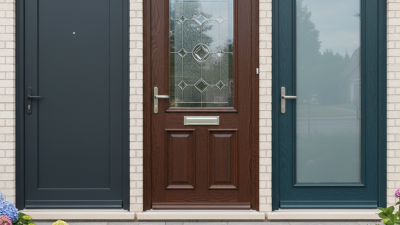
Additionally, pay attention to the door frame and hinges. Reinforced frames provide improved security. Make sure the hinges are tamper-proof to prevent easy removal. Glass inserts can enhance aesthetics but consider laminated or tempered glass for added security. Always balance appeal with protection. Sometimes, the prettiest door may not serve your safety needs.
Considering Energy Efficiency Ratings and Insulation Properties
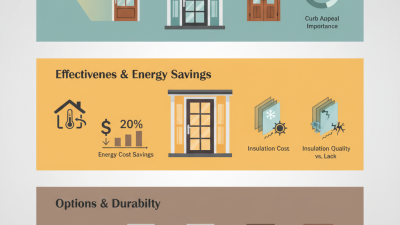
When choosing exterior doors, energy efficiency and insulation are key factors. A door's energy efficiency rating indicates how well it can minimize heat loss. Look for doors with high ratings, as they can help maintain your home's temperature. A solid door with proper insulation prevents drafts and enhances comfort.
Consider materials like fiberglass or steel, which often offer better insulation than wood. Think about the design too; doors with multiple layers and insulated cores are usually more effective. While aesthetics matter, remember that a beautiful door shouldn’t compromise performance.
You might notice that some doors look great but fall short on insulation. It’s essential to balance style with functionality. A poorly insulated door can lead to increased energy costs and discomfort in your home. Invest time in research and ask for expert advice to make a well-informed choice.
Choosing the Right Size and Fit for Your Exterior Door Opening
When selecting an exterior door, size and fit are crucial elements. An ill-fitting door can compromise your home's security and energy efficiency. Measure the door frame accurately before shopping. A standard door measures 80 inches tall and 36 inches wide, but your dimensions may vary. Ensure to account for the thickness of your wall as well.
It’s essential to choose a door that complements your home's architecture. Check for a proper fit by positioning the door in the frame. Notice any gaps or misalignment. If your frame is uneven, adjust the hinge placements or consider hiring a professional for installation. Remember, a poor installation can lead to long-term issues like drafts or moisture intrusion.
Tips: Use a level while hanging the door to confirm it’s plumb. Re-measure your dimensions if you’re unsure. It’s better to seek expert advice than to make costly mistakes. Always factor in the weather conditions in your area when selecting materials. A door that doesn’t handle moisture can warp over time, compromising both appearance and function.