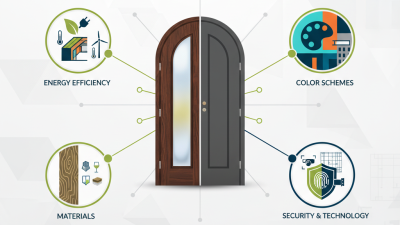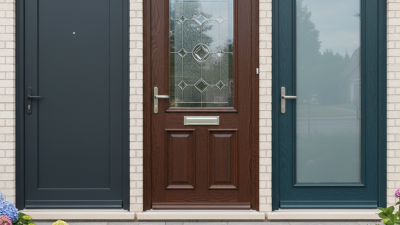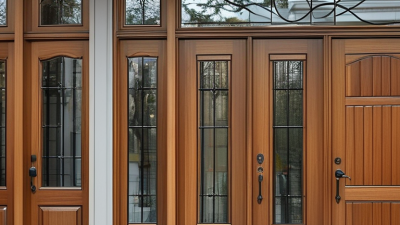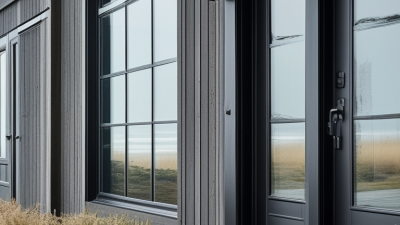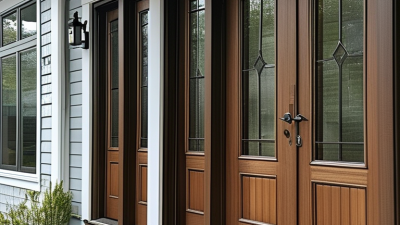
For global buyers, entry doors are more than attractive openings in a building. They shape first impressions, daily comfort, security expectations, and long-term property value. A solid entry door can make a house feel welcoming before anyone steps inside. It can also reduce outside noise, limit drafts, and support better energy performance when properly installed.
Architect Sarah Susanka once described the front door as “the handshake of the house.” This image remains useful for international buyers. A door communicates design quality through its surface, hardware, alignment, and movement. Picture a buyer opening a heavy door in a coastal showroom. The handle feels firm, the seal closes evenly, and rainwater cannot easily reach the threshold. These small details create confidence.
Yet global purchasing decisions are rarely simple. Climate, building practices, installation skills, and maintenance habits differ widely. A door designed for a dry region may perform poorly in a humid coastal city. A beautiful finish may show scratches quickly in a busy commercial entrance. Buyers should examine materials, thermal performance, water resistance, hardware quality, warranty terms, and replacement support.
Appearances can mislead.
This is where professional advice matters. Experienced manufacturers and certified installers can explain testing data, installation limits, and suitable configurations. Still, buyers should remain critical. Product descriptions sometimes sound stronger than real-world performance. The best choice is not always the most expensive door. It is the entry door that fits the building, climate, budget, and daily use, while meeting recognized safety and performance standards.
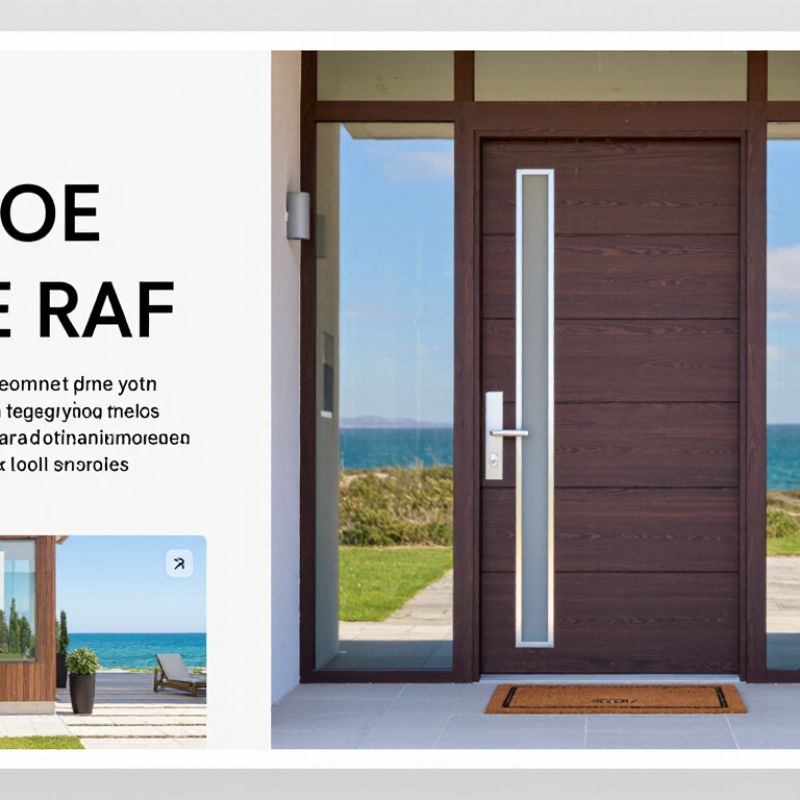
An entry door is the main controlled opening between a building and the outside world. It includes the door slab, frame, hinges, lockset, threshold, and weather seals. These parts must work together, not merely look attractive.
For global buyers, an entry door affects security, energy use, comfort, and first impressions. A poorly sealed threshold may allow dust, rain, or cold air into a hallway. In humid regions, unsuitable materials can swell or develop surface damage. In colder climates, low thermal performance may increase heating costs. An experienced buyer checks the door’s U-value, air leakage data, water resistance, hardware durability, and installation requirements. Details matter.
Security also depends on the surrounding frame and wall connection. A strong lock cannot compensate for a weak installation. Buyers should request verified test reports, clear product specifications, maintenance guidance, and warranty terms. Local building requirements may also influence dimensions, fire performance, glazing, and accessibility. Requirements vary widely. Never assume one specification fits every market.
Site inspections often reveal small problems that catalog images hide: uneven thresholds, compressed seals, exposed fasteners, or drainage gaps. These issues may come from transport, storage, or rushed installation. A reliable supplier should explain these risks honestly and provide practical installation support. No door solves every problem. Buyers still need to review climate, building type, user habits, and long-term maintenance before making a decision.
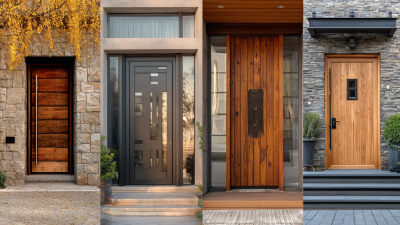
The 2023 Global Status Report for Buildings and Construction states that buildings consumed about 34% of global energy in 2022. It also identifies the sector as responsible for roughly 37% of global energy and process-related emissions. A well-fitted entry door supports better envelope performance by limiting uncontrolled air movement. Its frame, threshold, seals, and glazing must work together. A small gap under the door can create a cold floor, visible dust lines, or moisture near the threshold. These details are easy to overlook.
Security is another core function. Buyers should examine the lock system, hinge protection, impact resistance, and installation quality. The door alone cannot provide reliable protection. A strong panel with a poorly anchored frame remains a weak point. Thermal performance should be checked using recognized methods, such as ISO 10077-1 for calculating door and window transmittance. However, laboratory ratings may not reflect poor site installation. That is an uncomfortable limitation.
Ask for tested U-values, air-leakage data, and water-resistance results. Inspect the threshold after rain. Check whether seals compress evenly. Confirm that local installers understand the property’s climate and wall construction. A premium specification can still fail when measurements are rushed.
Why Are Entry Doors Important for Global Buyers?
How Materials and Design Affect Door Performance
For global buyers, an entry door is more than a visual welcome. It controls security, weather resistance, comfort, and daily energy use. Material choice affects each function. Fiberglass resists moisture and dents well, while steel offers strong impact protection. Solid wood provides warmth and character, but it needs careful sealing in humid climates.
Design details matter just as much. A tight frame, multi-point lock, and properly fitted threshold can reduce drafts and water entry. Glass panels should use suitable safety glazing and strong seals. In coastal areas, corrosion-resistant hardware deserves close attention. In colder regions, insulated cores and thermal breaks can prevent cold surfaces around the frame.
During site inspections, installers often check the wall opening before selecting a door. A beautiful door can still perform poorly if the frame is uneven. I once underestimated the effect of a small threshold gap; wind and rain found it quickly. That mistake changed how I review installation drawings. Buyers should request tested performance data, maintenance guidance, and documentation suited to the destination’s climate and building requirements. Ratings can vary by test method, so comparisons are not always simple. Sometimes, the practical choice looks less impressive but lasts longer.
How Materials and Design Affect Door Performance
| Performance Dimension | Material or Design Factor | Typical Effect on Performance | Indicative Data or Technical Range | Global Buyer Relevance |
|---|---|---|---|---|
| Thermal insulation | Insulated steel or fiberglass leaf; thermal break; insulated frame; low-conductivity core | Reduces heat transfer and helps stabilize indoor temperature | Typical whole-door U-values are approximately 0.8–2.5 W/m²·K, depending on construction, glazing, frame and installation | Important for both cold and hot climates because lower U-values generally reduce heating or cooling loads |
| Weather resistance | Multi-point seals, compression gaskets, sloped threshold, protected edge finishes and correct drainage | Limits air leakage, wind-driven rain and drafts | Performance is normally verified through air-permeability, watertightness and wind-load tests; results vary by door system and installation | Essential in monsoon, coastal, windy and highly variable climates |
| Durability | Galvanized or stainless components, corrosion-resistant coatings, stable cores and reinforced hinges | Improves resistance to corrosion, impact, dimensional movement and repeated use | Durability classifications are commonly based on repeated opening-and-closing cycles; the required class depends on residential or commercial use | Buyers should match the tested duty level with traffic volume and expected service life |
| Moisture and corrosion control | Fiberglass, powder-coated metal, treated timber, sealed joints and non-absorbent thresholds | Reduces swelling, rot, rust, coating failure and water-related deformation | Coastal or high-humidity locations generally require enhanced coating systems and corrosion-resistant hardware | Material selection should reflect humidity, salt exposure, rainfall and maintenance access |
| Security | Reinforced lock area, solid core, strong hinges, laminated glazing and a correctly anchored frame | Increases resistance to forced entry and reduces weak points around the lock and frame | Security should be assessed for the complete door assembly, not only the lock; tested classifications differ by local standard | Installation quality, frame anchoring and hardware compatibility are as important as the door leaf |
| Acoustic performance | Dense or insulated core, tight perimeter seals, limited glazing and reduced air gaps | Reduces external noise entering the building | Typical sound-reduction ratings for residential entry doors may range from about 25–40 dB, depending on the complete assembly | Relevant for urban housing, apartments, hotels and buildings near transport infrastructure |
| Fire safety | Fire-rated core, intumescent seals, tested frame, approved hardware and self-closing device where required | Can delay the spread of fire and smoke when installed as a tested assembly | Common fire-resistance ratings include 30, 60 and 90 minutes, but the required rating depends on building regulations and location | Fire performance must be verified for the exact door, frame, glazing, seals and hardware combination |
| Dimensional stability | Engineered timber, fiberglass skins, reinforced steel and balanced construction | Helps the door remain aligned during temperature and humidity changes | Movement depends on material, moisture content, panel size, exposure and installation tolerances | Particularly important when products are exported across different climate zones |
| Glazing and daylight | Double glazing, laminated glass, insulated glazing spacer and thermally separated glazing frame | Adds daylight and visibility but may increase heat gain, heat loss and security requirements | Laminated glass improves impact-retention performance; low-emissivity coatings can reduce radiant heat transfer | The glazing specification should reflect solar exposure, privacy, security and local safety rules |
| Accessibility | Low or flush threshold, adequate clear opening, lever hardware and controlled opening force | Makes entry easier for wheelchair users, older adults and people carrying goods | Clear-opening and threshold requirements vary by jurisdiction and building type | Accessibility compliance should be checked against the destination market’s building regulations |
| Maintenance and lifecycle cost | Factory-applied finishes, replaceable seals, serviceable hardware and moisture-resistant surfaces | Can reduce repainting, adjustment, seal replacement and premature replacement costs | Maintenance intervals depend on exposure, traffic, finish quality and hardware design | A slightly higher purchase price may be justified when it lowers long-term operating and repair costs |
| Installation compatibility | Accurate rough-opening dimensions, compatible frame depth, suitable threshold and correct fixing method | Determines whether the door can deliver its tested air, water, thermal and security performance | Poor installation can create gaps, leakage, misalignment and premature hardware wear even when the door is well designed | Global buyers should confirm drawings, tolerances, packaging, local installers and replacement-part availability before ordering |
Note: The numerical ranges are indicative values for comparison only. Actual results depend on the complete door assembly, testing method, climate, installation quality and applicable local regulations.
For global buyers, an entry door is more than an attractive entrance. It protects people, controls indoor comfort, and faces changing outdoor conditions every day. During site inspections, I have seen poorly fitted doors create visible gaps around the frame. Cold air entered near the threshold, while rainwater collected after a short storm.
Safety begins with the structure, lock area, hinges, and glass panels. Buyers should check impact resistance, emergency opening requirements, and safety glazing where needed. A strong door can still perform poorly if the frame is weak. Installation matters as much as the product itself. Local building codes and testing documents should be verified before purchase.
Energy efficiency depends on insulation, weather seals, and accurate installation. Look for tested thermal performance, air leakage results, and a suitable U-value for the climate. A warm region may need strong solar control, while a cold region needs better heat retention. Small details matter. A compressed seal, uneven threshold, or unsealed screw hole can waste energy.
Weather resistance requires evidence, not confident claims. Buyers should review water penetration, wind-load, and cycling test results for the intended location. Coastal areas may demand stronger corrosion resistance, while storm-prone regions need reinforced frames and reliable drainage. No checklist catches every problem. I still recommend inspecting samples after installation, because real walls are rarely perfectly level.
Entry doors shape security, energy performance, comfort, and first impressions. Global buyers should evaluate more than appearance before purchasing. In my experience, a well-designed door can reduce drafts during winter and block heat during summer. However, performance depends on climate, installation quality, and correct measurements. A beautiful door may still fail in heavy rain if its threshold drains poorly. Check the door’s material, insulation core, glazing, hinges, locking system, and weather seals. Ask for verified test data, not only attractive claims. Important values include thermal transmittance, air leakage, water resistance, and wind-load performance. Requirements may vary by region, so buyers should confirm local building codes with qualified professionals.
Tips: Measure the opening twice, including wall thickness and sill height. Request installation drawings and maintenance instructions before ordering. For coastal or humid areas, inspect corrosion resistance and drainage details. For colder regions, examine the frame’s thermal break and sealing layers. Security hardware should be durable, replaceable, and suitable for local standards. Also check delivery protection, warranty terms, spare parts, and after-sales support. These details often matter after installation.
A reliable supplier should explain limitations clearly. Be cautious when every feature sounds perfect. I once underestimated the importance of threshold height; small errors created water-entry concerns during storms. That experience changed how I review door specifications. Buyers should compare documented performance, installer qualifications, lead times, and total ownership costs. The lowest purchase price is not always the lowest long-term cost. Availability of replacement seals and compatible hardware deserves attention too. Cors? maybe no.