Top Entry Doors Trends for 2026 What Buyers Need to Know
As homeowners seek to enhance their curb appeal and security, entry doors have become a focal point in home design. In 2026, the trends for entry doors are expected to evolve, reflecting changes in consumer preferences and technological advancements. Buyers must understand the implications of these trends when choosing the perfect entry door.
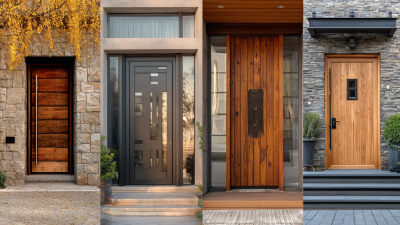
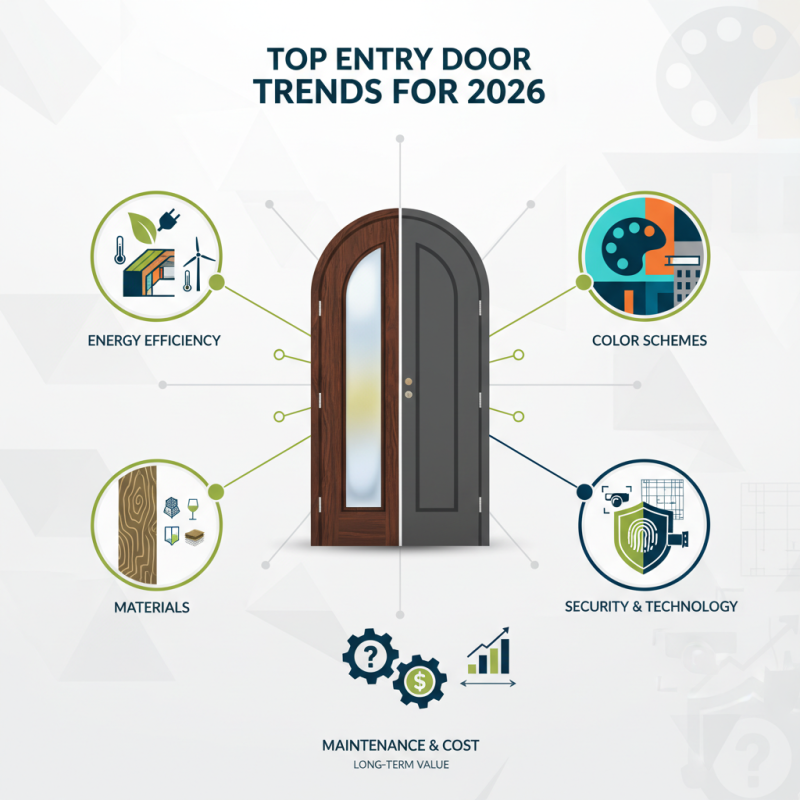
Entry doors will not only serve a functional purpose but also make a statement. Materials will range from classic wood to modern fiberglass, each offering unique benefits. Color schemes will emphasize bold, eye-catching hues, making homes stand out in the neighborhood. Additionally, energy efficiency will play a crucial role in buyer decisions, with many opting for environmentally friendly options.
However, navigating these trends can be overwhelming. Some features may seem appealing but come with higher maintenance costs. Buyers should consider the long-term value and practicality of their selections. Ultimately, understanding the latest entry doors trends will empower homeowners to make informed choices that align with their personal style and budget.
Emerging Materials for Entry Doors in 2026
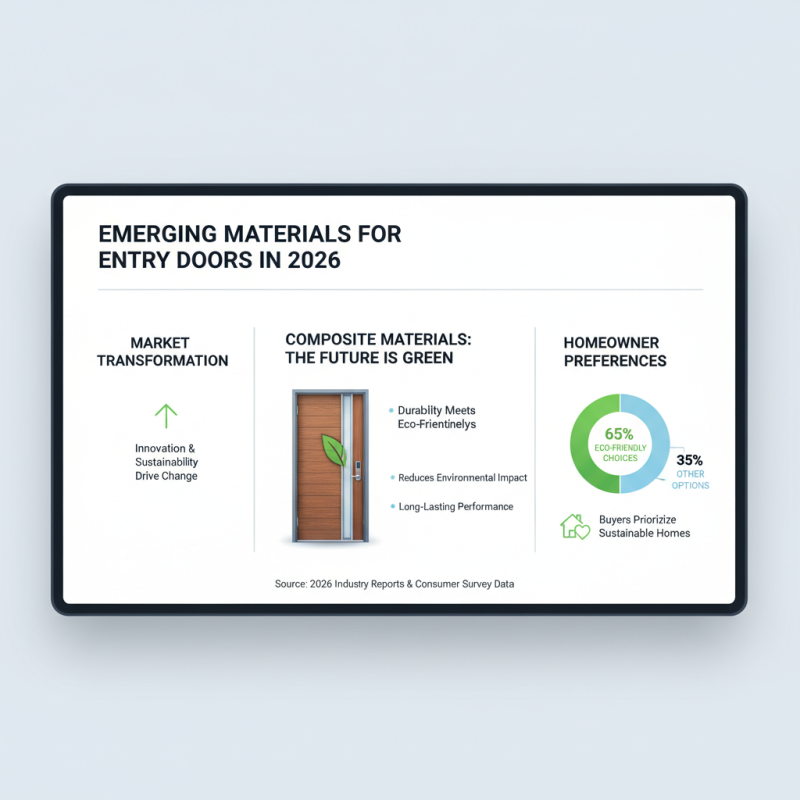
In 2026, the entry door market is poised for transformation through innovation in materials. Homeowners increasingly seek sustainable options. Reports indicate that composite materials are gaining popularity. These doors offer durability while reducing environmental impact. A survey found that 65% of buyers prefer eco-friendly choices for their homes.
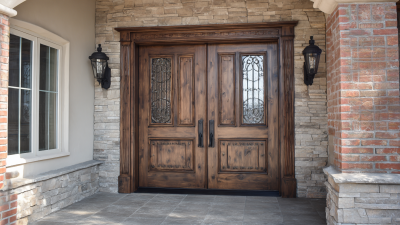
Wood is still favored for its classic beauty but requires maintenance. New treatments enhance wood's resistance to weather and pests. Nevertheless, homeowners must be cautious about wear and longevity.
Tip: Consider whether your climate requires extra protection for wooden doors.
Another trend is the rise of fiberglass. This material mimics wood’s aesthetics without the upkeep. A study from the National Association of Home Builders shows fiberglass doors can minimize energy costs. They create a tight seal, enhancing home insulation. However, buyers should reflect on long-term value versus upfront cost.
Tip: Evaluate the insulation value of your entry door to maximize energy efficiency.
Metal doors remain relevant but are often underappreciated. While offering security, some may lack aesthetic appeal. Embracing color and design can influence buyer interest. Investing in quality can mean fewer replacements over time, which is essential. It's an evolving landscape, and being aware will benefit prospective buyers.
Innovative Security Features Shaping Buyer Preferences
As buyers prepare for 2026, innovative security features are becoming essential in entry door trends. Homeowners now seek more than just curb appeal; they desire doors that provide robust protection. Smart locks are gaining popularity. These devices offer keyless entry, remote access, and activity monitoring. Features like biometric scans add an extra layer of security. Yet, there are concerns about potential hacking vulnerabilities.
Another key aspect is durability and resilience. Modern materials withstand extreme weather and potential break-ins. Reinforced frames and impact-resistant glass are catching buyers' attention. These elements are crucial for homes in storm-prone areas. Still, not every security door is equal. Some may fail to meet safety standards, leaving homeowners at risk.
Energy efficiency is also a growing priority. Doors that combine security with insulation can reduce energy bills. Homeowners want products that serve multiple purposes. However, finding the ideal balance can be challenging. It requires careful consideration of features and materials. This complexity can lead to confusion, but informed choices will pay off in the long run.
Sustainable Practices in Door Manufacturing
Sustainable practices in door manufacturing are becoming a priority as buyers look for eco-friendly options. More manufacturers are adopting green practices. For example, a report from the Environmental Protection Agency states that nearly 33% of construction materials are recycled. This trend is reshaping the door industry.
Door buyers should consider materials sourced from sustainable forests. Doors made from engineered wood can significantly reduce waste. These products often use less wood while maintaining strength and durability. Furthermore, companies that provide transparency in their sourcing have seen a rise in consumer trust.
Tip: Always ask about a door’s lifecycle impact. Inquire whether the materials are sourced sustainably. Look for doors that offer energy efficiency ratings. These systems indicate better insulation and lower energy usage.
While many improvements are being made, not all companies prioritize sustainability. Buyers must remain cautious. Sometimes, doors marketed as "eco-friendly" might contain misleading information. Researching before purchase ensures you make an informed decision.
Aesthetic Trends: Color and Design for Modern Homes
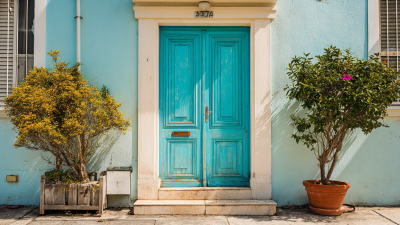
The aesthetics of entry doors are evolving significantly as we approach 2026. Homebuyers are increasingly drawn to contemporary designs that enhance curb appeal. The National Association of Home Builders (NAHB) states that around 70% of buyers prefer bold colors over standard neutrals when selecting entry doors. Homes painted in vibrant hues not only stand out but also provide a unique character.
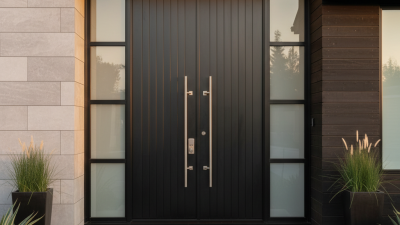
In addition to color, materials are crucial. A report by the American Architectural Manufacturers Association (AAMA) indicates a rising preference for fiberglass doors, as they offer both durability and design flexibility. Homeowners are incorporating textured finishes and sleek, minimalistic hardware to create a cohesive look. However, striking the right balance between style and functionality can be challenging. Many designs may look appealing but may not provide adequate insulation or security features.
The trend of sustainability is also on the rise. Eco-friendly materials are becoming popular among buyers. According to recent surveys, over 55% of homeowners consider sustainable practices a top priority when selecting doors. There’s a conscious effort to blend aesthetic appeal with environmental responsibility. This can lead to confusion, as not all “green” options are genuinely sustainable. Buyers must research the materials and their sourcing to make informed choices. Overall, the landscape of entry door design is rich with opportunities and challenges.
Top Entry Doors Trends for 2026
| Trend |
Description |
Color Options |
Material Choices |
Design Features |
| Minimalist Designs |
Simple and clean lines to create a timeless look. |
White, Black, Grey |
Fiberglass, Steel |
Flush panels, Large glass inserts |
| Bold Colors |
Vibrant hues that make a strong statement and enhance curb appeal. |
Red, Blue, Green |
Wood, Steel |
Textured finishes, Artistic patterns |
| Sustainable Materials |
Eco-friendly options that reduce environmental impact. |
Natural wood shades |
Recycled materials, Bamboo |
Customizable designs, High thermal efficiency |
| Smart Technology Integration |
Incorporating smart locks and security systems. |
Neutral colors |
Composite, Aluminum |
Digital keypad entry, Smartphone control |
Smart Technology Integration in Entry Doors
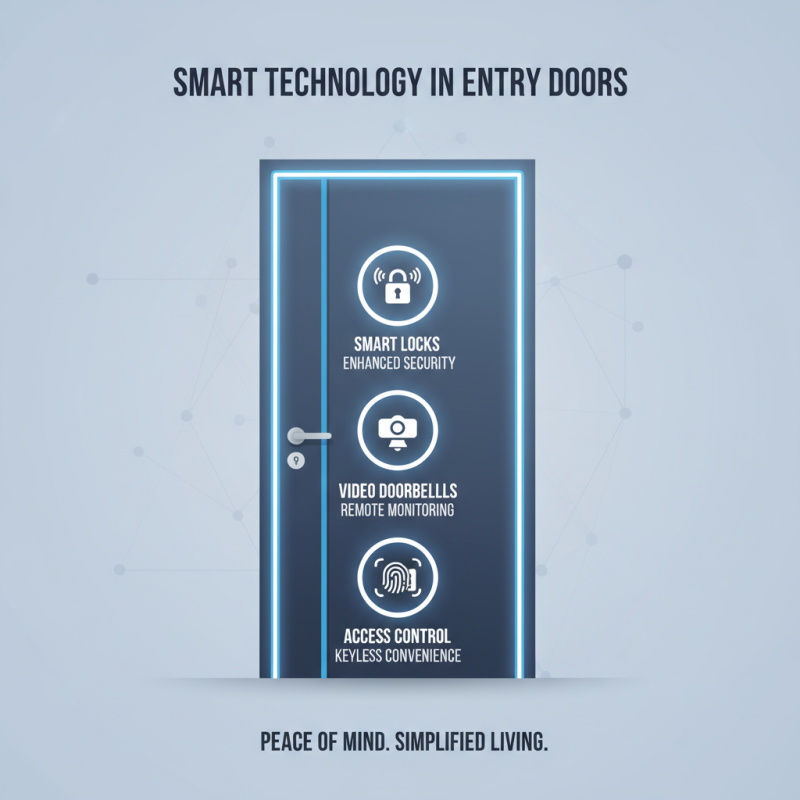
The entry door is evolving with the rise of smart technology. Modern doors now include features that enhance security and convenience. Homeowners can integrate smart locks, video doorbells, and access control systems. These features provide peace of mind and ease for daily life.
Smart technology in entry doors allows for seamless connectivity. Many systems enable users to monitor their home remotely. With smartphones, you can lock or unlock your door from anywhere. This level of control is appealing for those concerned about safety. However, it also raises questions about privacy and data security.
As these trends grow, potential buyers should consider various factors. Not all smart systems are created equal. Some may require constant updates or be vulnerable to hacking. It's vital to research and choose systems that prioritize security and reliability. The right technology can dramatically improve convenience while keeping your home secure.