Choosing the right outside doors involves more than matching a color to your home’s exterior. A door faces rain, sunlight, temperature changes, wind, and daily use. Its frame, threshold, hinges, glass, and weather seals must work together. A beautiful door can still admit drafts if the installation is rushed.
This guide presents ten practical tips for evaluating outside doors with greater confidence. It considers material, insulation, security hardware, maintenance, swing direction, glazing, measurements, and professional installation. A solid wood door may offer warmth and character, while fiberglass often resists moisture and warping more effectively. Steel can provide strength, but exposed edges may require careful protection against corrosion.
Real-world details matter. Check whether the threshold stays dry after heavy rain. Listen for movement around the hinges. Place a hand near the frame on a cold day and notice unwanted airflow. Manufacturer specifications, tested energy ratings, warranty terms, and installer recommendations can support a more reliable decision. Local climate also matters; a coastal entrance may need different finishes than a sheltered suburban doorway.
Even experienced homeowners miss small details. A wider glass panel may brighten a hallway, yet reduce privacy or increase heat gain. A cheaper lock may function well, but feel less dependable after years of use. The best choice balances appearance, performance, budget, and maintenance rather than chasing one perfect feature. These tips are designed to make that evaluation clearer, while acknowledging that every home presents different conditions.
Before choosing a door, identify its actual job. Is it protecting a busy entryway, a shaded patio, or an exposed back entrance? Measure the rough opening, wall thickness, sill height, and available swing space. A beautiful door can still fail when furniture blocks it. The 2020 U.S. Energy Information Administration Residential Energy Consumption Survey reports that space heating uses about 42% of household energy. Therefore, insulation matters, especially in cold climates. Check the door’s U-factor, air-leakage rating, and weather-resistance information. The National Fenestration Rating Council explains that lower U-factor values generally indicate better insulation.
Your climate and exposure should guide the specification. A west-facing door may receive intense afternoon sun, while a coastal entrance needs stronger moisture resistance. Look for tested water penetration, air infiltration, and structural performance ratings. The U.S. Department of Energy recommends weatherstripping and properly sealed thresholds to reduce drafts. I would not choose glass only for appearance. Glazing can improve daylight, but it may increase heat gain or reduce privacy. Consider laminated or impact-rated glass where severe weather is a concern. Local building requirements still need verification.
Daily use also matters. A family entrance may need a durable finish, wide clearance, and an easy-to-operate lockset. A rarely used side door may need simpler hardware, but it should never feel flimsy. Review warranty language carefully. Some finishes age unevenly. That is easy to underestimate. Ask an experienced installer about drainage, shimming, flashing, and maintenance before ordering. Proper installation can matter as much as the door itself.
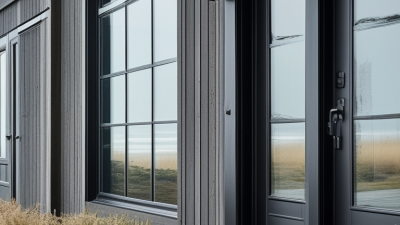
Choosing an outside door is less about appearance than long-term performance. Tip 1: Compare materials honestly. Fiberglass resists moisture and warping, while steel offers strong security and impact resistance. Wood provides warmth, but it needs regular sealing, especially near wet thresholds. Tip 2: Check the climate. A coastal home faces salt air, while a dry region exposes finishes to intense sun. Tip 3: Inspect the frame, sill, hinges, and weatherstripping, not only the door slab.
Tip 4: Look for a low U-factor and suitable solar heat gain control. The U.S. Department of Energy reports that air leakage can account for about 30% of household heating and cooling energy use. A poorly fitted door wastes more energy than many owners expect. Tip 5: Review independent NFRC labels where available. Tip 6: Test the seal with a thin piece of paper. If it slides out easily, the compression may be weak. Small gaps matter. Tip 7: Choose insulated glass carefully; decorative glass can reduce thermal performance.
Tip 8: Ask about maintenance before buying. Fiberglass may need occasional cleaning, while painted steel can expose rust after scratches. Tip 9: Confirm replacement-part availability for hinges, sweeps, and locks. Tip 10: Measure the opening twice, including the threshold height. A durable door still fails when installation is rushed. I have seen attractive wood doors swell after one wet season, despite careful promises from installers. That experience is a useful warning: durability depends on material, exposure, installation quality, and realistic maintenance habits.
10 Tips for Choosing the Right Outside Doors
Evaluate Energy Efficiency, Weather Resistance, and Security
A reliable outside door should control drafts, rain, and unwanted entry. Check its U-factor and energy rating before judging its appearance. Lower heat transfer usually means better insulation, but installation matters just as much. Ask how the frame, glass, and threshold work together. A well-insulated door can still waste energy when fitted poorly.
Look closely at the weather seal. It should compress evenly around the frame, without visible gaps. Test the threshold with a sheet of paper. If the paper slides out easily, the seal may need adjustment. Choose materials suited to your climate, especially where wind-driven rain, snow, or strong sunlight is common. Fiberglass and properly finished wood can perform well, though each requires different maintenance. Inspect hinges, screws, and the strike plate. Small details matter.
Security deserves practical testing. The door should close firmly, resist forced movement, and use a strong deadbolt with a reinforced frame. Glass panels need careful placement and suitable impact resistance. A door viewer or clear lighting near the entrance can improve awareness. I once focused too heavily on insulation and overlooked a weak frame. That was an expensive lesson. Do not trust a high energy rating alone. Review installation instructions, warranty conditions, and local safety requirements. If the door feels difficult to operate, stop and investigate. Convenience can reveal a deeper fitting problem.
| Tip | Evaluation Area | What to Check | Useful Performance Guidance | Why It Matters |
|---|---|---|---|---|
| 1 | Compare U-Factor | Review the complete door assembly rating, including the slab, frame, and glazing where applicable. | Lower is better Around 0.20–0.30 Btu/h·ft²·°F is a strong target for many energy-conscious projects. |
A lower U-factor means less heat flows through the door, helping improve comfort and reduce heating or cooling demand. |
| 2 | Check Solar Heat Gain | For doors with glass, compare the Solar Heat Gain Coefficient (SHGC) based on the home’s climate and orientation. | Climate-dependent Lower SHGC generally suits hot, sunny climates; moderate or higher values can help admit useful winter sunlight in colder climates. |
The right SHGC can limit unwanted summer heat while preserving beneficial daylight and winter solar gain. |
| 3 | Inspect Weatherstripping | Look for continuous compression seals around the head, jambs, and meeting rails, plus a durable bottom sweep or threshold seal. | Continuous contact Seals should compress evenly without gaps, cracking, or excessive resistance when the door closes. |
Effective weatherstripping reduces drafts, moisture intrusion, dust, and outdoor noise. |
| 4 | Select a Suitable Material | Consider insulated steel, fiberglass, solid wood, or engineered wood according to exposure, maintenance expectations, and design requirements. | Match material to exposure Insulated cores generally provide better thermal performance than uninsulated solid doors. |
Material choice affects insulation, dimensional stability, durability, appearance, and long-term maintenance. |
| 5 | Verify Water Resistance | Check the threshold, sill pan, drainage paths, corner joints, and exterior finish, especially for doors exposed to driving rain. | Use a drained threshold Water should be directed away from the wall rather than allowed to collect at the sill. |
Good water management helps prevent swelling, rot, corrosion, mold, and damage to surrounding wall components. |
| 6 | Assess Wind and Weather Exposure | Review local wind conditions, storm exposure, sun intensity, freeze-thaw cycles, and the door’s installation location. | Use tested assemblies In severe-weather areas, select products tested for relevant air, water, structural, and impact requirements. |
A door designed for its exposure is more likely to remain square, sealed, and operational over time. |
| 7 | Prioritize a Strong Frame | Examine frame material, anchoring points, hinge-side reinforcement, and the connection between the frame and wall structure. | Rigid and securely anchored The frame should remain plumb and resist movement when the door is operated or locked. |
A strong frame supports smooth operation, maintains the weather seal, and improves resistance to forced entry. |
| 8 | Review Lock and Hinge Security | Look for a quality deadbolt, reinforced strike area, long fastening screws, and hinges that cannot be easily removed from the exterior. | Reinforced strike zone Fasteners should engage solid framing or structural blocking, not only thin trim. |
Security depends on the entire door system, not just the lock cylinder or handle set. |
| 9 | Choose Glass Carefully | For glazed doors, consider laminated or tempered safety glass, insulated glazing, protective coatings, and secure glazing retention. | Safety glass recommended Insulated glazing improves thermal performance; laminated glass can help retain the pane after breakage. |
Glass selection influences safety, security, energy use, ultraviolet exposure, and indoor comfort. |
| 10 | Confirm Installation Quality | Make sure the rough opening is properly flashed, the frame is square and plumb, insulation gaps are filled, and the threshold is supported. | Correct installation is essential Even a high-performing door can leak air or water if the opening is poorly prepared or sealed. |
Proper installation protects the warranty, preserves rated performance, and prevents premature operational or moisture problems. |
10 Tips for Choosing the Right Outside Doors
Door style should match the home’s structure, climate, and daily traffic. A solid panel door offers privacy, while glass panels bring daylight into dark entryways. In field inspections, I often see attractive doors installed without considering rain exposure. That mistake can shorten service life. The 2024 Cost vs Value Report recorded a 188.1% cost recoup for steel entry-door replacement. This supports choosing durable construction, not only attractive finishes.
Measure the existing opening, not just the door slab. Record width, height, jamb depth, threshold height, and wall plumb. Measure twice. Do not guess. A wider door may improve moving access, but it also needs stronger hinges and more clearance. For accessibility, the 2010 ADA Standards specify a 32-inch minimum clear opening. Private homes may not require this rule, yet the measurement remains a useful design reference. Check local requirements before ordering.
Swing direction affects furniture, weather, and safety. An inswing door protects hinges and simplifies replacement, while an outswing door saves interior floor space. Wind exposure can make the wrong choice frustrating. Select hinges rated for the door’s weight, and choose weather-resistant threshold materials. Hardware should include a dependable deadbolt, reinforced strike area, and corrosion-resistant fasteners. The ANSI/BHMA A156.2 standard provides performance classifications for many residential locks. I would not automatically choose the highest grade. Confirm compatibility with the frame, keying needs, and emergency access. Small details matter.
Choose the right door style, size, swing, and hardware.
Common exterior door widths are typically 30, 32, and 36 inches, while 36 inches is a practical choice when improved accessibility and furniture movement are priorities. The ADA standard generally requires at least a 32-inch clear opening for accessible doorways, which often requires a 36-inch nominal door. Before ordering, confirm the rough opening, door height, handing, swing direction, weather sealing, lockset, hinges, threshold, and required energy performance.
10 Tips for Choosing the Right Outside Doors
Verify installation standards before comparing finishes or decorative glass. Local building requirements may address wind resistance, drainage, insulation, fire separation, and emergency access. Ask the installer how the door will fit the rough opening. A small gap can invite drafts, rain, and insects. Measure twice.
A reliable installation should include a level sill, suitable flashing, sealed joints, and corrosion-resistant fasteners. The threshold must meet the surrounding floor without creating a trip hazard. Check that the frame is square after fastening. Poor alignment can make a strong door feel cheap. Request written details about labor, disposal, permits, and possible repair work. The lowest quote often excludes important preparation.
Budget for the full service life, not only the purchase price. Compare insulation performance, hardware durability, surface maintenance, and replacement-part availability. A slightly higher initial cost may reduce heating loss and future adjustments. However, expensive materials do not guarantee better value. I have seen attractive doors fail because water collected beneath an unprotected sill. That mistake is easy to overlook.
Ask for clear warranty terms and installation responsibilities. Keep records of measurements, invoices, and maintenance recommendations. Long-term value also depends on daily comfort: does the latch engage smoothly, does the seal compress evenly, and does the door remain stable during seasonal changes? Inspect these details in person when possible. A rushed decision may save money today, but it can create years of minor frustrations.