7 Best Front Entry Doors for Every Home

The front door does more than welcome guests. It faces rain, daily traffic, and years of opening and closing. The right choice can improve curb appeal, comfort, and security, but no single style suits every home. As architect Sarah Susanka puts it, “It’s not how big your house is, it’s how big your life is.” That idea also applies to an entry: choose for the people using it, not just the photograph.

This guide explores seven front entry doors, from warm, traditional wood to low-maintenance fiberglass and durable steel. It considers how each material handles weather, upkeep, privacy, and everyday wear. You’ll also find options with glass panels, bold contemporary lines, and classic Craftsman details. Small things matter. A door’s finish, hardware, and fit can change how it looks and works. A beautiful glass design may brighten a dim foyer, yet offer less privacy than expected. That trade-off deserves a closer look.

There is no perfect door for every climate, budget, or household. Installation quality matters, too, and even a premium slab can disappoint if it leaks air or sticks in its frame. Use these recommendations as a practical starting point. Compare the details, then consider what your entry needs most: easier maintenance, stronger insulation, a brighter interior, or a more distinctive welcome.
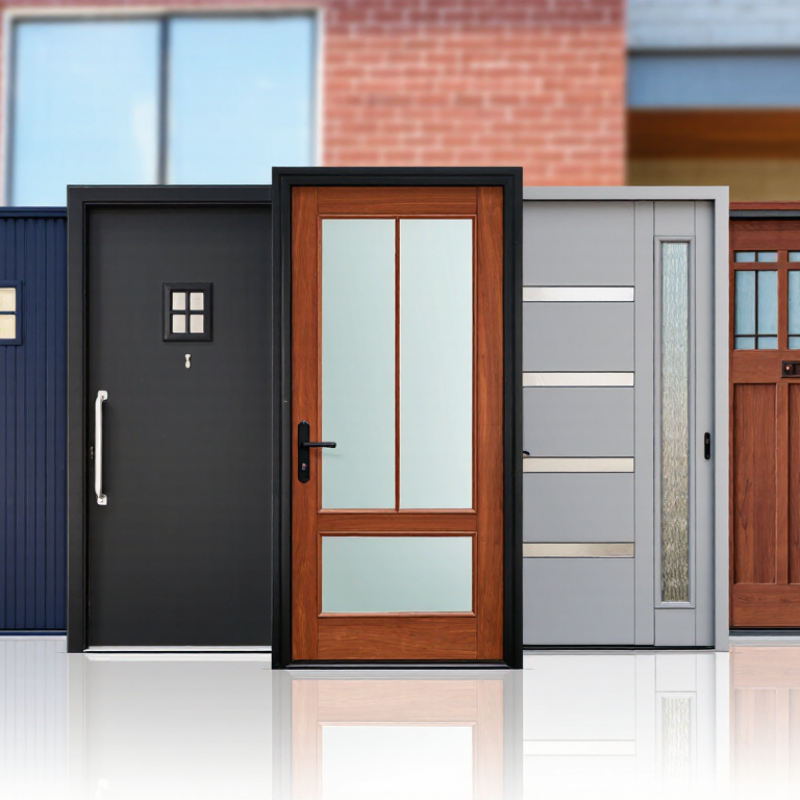
7 Best Front Entry Doors for Every Home

Seven Front Entry Door Types for Different Homes

A front entry door should suit the home’s style, weather, and daily use. Fiberglass doors resist moisture and need little upkeep, making them practical in damp or changeable climates. Steel doors offer a sturdy feel and can improve insulation when properly fitted. Solid wood brings warmth and distinctive grain, but it needs regular attention to protect it from sun and rain. Looks aren’t everything.

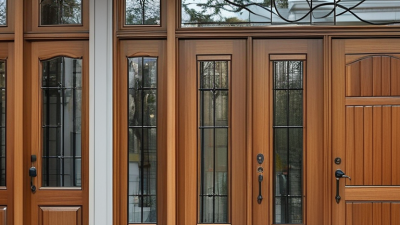
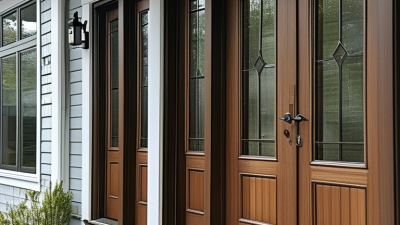
Glass-panel doors bring daylight into a dim foyer. Check the glass type and panel layout for privacy and energy performance. Double doors create a generous entrance and work well with wider openings, though their extra hardware may need occasional adjustment. Dutch doors split horizontally, letting the upper section open while the lower half stays closed. They’re charming, but not ideal for every household.

Arched or custom-shaped doors can complement older homes and unusual entryways. Measure the opening carefully before choosing; even an attractive door can look awkward if its proportions are off. I used to focus too much on the door itself. The frame, weatherstripping, threshold, and installation matter just as much. Check for drafts around the edges, and consider how much maintenance you’ll realistically keep up with. A beautiful finish can fade faster than expected in direct afternoon sun.
How Door Materials Affect Durability and Maintenance

A front door’s material determines how it handles rain, sun, dents, and routine upkeep. The National Association of Home Builders and Bank of America’s 2007 Study of Life Expectancy of Home Components estimated exterior wood, steel, and fiberglass doors could last 100 years or more. That figure is a broad estimate, not a warranty or a head-to-head durability test. It is also old. I would not use it to predict the life of a door exposed to harsh weather or poor installation.

Fiberglass resists moisture and usually needs only washing and occasional hardware checks. Steel offers a sturdy surface, but scratches can expose metal to rust; inspect the bottom edge and repaint damaged spots promptly. Wood has a warm, substantial feel, yet standing water and peeling finish can lead to swelling or rot. Check its paint or stain each season, especially near the threshold. Small gaps matter. A stiff latch, damp sill, or draft can signal that the door needs adjustment before damage spreads. The National Fenestration Rating Council rates products for energy performance, including U-factor; that rating helps compare heat transfer, but it does not measure service life. Choose for your climate and maintenance habits, not appearance alone. I still think “low maintenance” gets oversold: every door needs inspection.

How Door Materials Affect Durability and Maintenance

Relative upkeep ratings are a general guide, not standardized test results. Wood usually needs more frequent finish checks and refinishing. Steel needs prompt paint touch-ups where its protective coating is scratched to help prevent rust. Fiberglass generally needs less routine upkeep, though its finish should still be cleaned and inspected.

Comparing Security, Weather Resistance, and Energy Efficiency

A front door has three jobs: resist forced entry, keep out rain and drafts, and limit heat transfer. Solid wood feels substantial and can be repaired, but it needs regular attention where sun and rain hit. Steel doors often offer strong security at a moderate price; damaged finishes can expose metal to rust. Fiberglass resists moisture and temperature changes, though quality varies by construction. No door is secure by itself.

Insulated steel adds a thermal core, while composite doors combine materials to reduce swelling and upkeep. Doors with glass panels bring daylight into a dim hallway, but larger or poorly protected panes may weaken privacy and security. A storm door adds another weather barrier, yet it can trap heat against some entry doors in direct sun. Small details matter: check weatherstripping, the threshold, and the frame, not just the door slab.

For energy efficiency, compare the whole assembly, including its glass and seals. Look for tested performance information suited to your climate, and have the frame installed square with gaps sealed. Even a high-performing door can leak around a careless installation. I’d be wary of choosing by appearance alone; a beautiful finish cannot fix a cold draft at ankle height. The best fit depends on exposure, maintenance tolerance, and how much glass your entry actually needs.

Matching a Front Door to Your Home’s Style and Climate

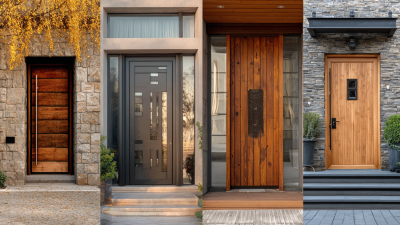
A front door should suit the house and the weather it faces. A paneled wood door complements traditional façades, while a simple, flush design often suits contemporary homes. Climate matters just as much. In cold regions, look for an insulated core, effective weatherstripping, and a low U-factor; lower U-factor means less heat transfer. In hot, sunny areas, consider limited glazing or shaded glass to reduce unwanted solar heat. Check the National Fenestration Rating Council label. It gives comparable performance ratings, not a promise of lower bills. Small gaps matter, too. A beautiful door that leaks around its frame can still feel drafty.

Material choices involve trade-offs. Fiberglass resists moisture and needs little upkeep, while steel can provide a sturdy, insulated option; wood offers warmth but usually needs more maintenance. Measure the opening carefully, including the threshold and frame. A few millimeters can complicate installation. Remodeling’s 2024 Cost vs. Value report estimated that a steel entry-door replacement recouped 188.1% of its project cost nationally at resale. That figure is an estimate, not a guaranteed return, and local prices vary. Before choosing a finish, view a sample outdoors: indoor lighting can make colors look deceptively warm.

7 Best Front Entry Doors for Every Home — Matching a Front Door to Your Home’s Style and Climate

Door Type Typical Construction Style Match Climate Suitability Care and Considerations Best For
Fiberglass Molded fiberglass skins over an insulated core; available in smooth or wood-grain finishes. Traditional, contemporary, farmhouse, and craftsman homes. A versatile choice for hot, cold, and humid conditions. Insulated models can help limit heat transfer; performance depends on the complete door and its installation. Generally needs less routine upkeep than natural wood. Check the finish and weatherstripping periodically. Homeowners seeking a low-maintenance door with varied finishes and good insulating potential.
Insulated Steel Steel outer skins surrounding a foam-insulated core, usually fitted in a framed door system. Simple, modern, or traditional designs; commonly available with panel details and glass inserts. Well suited to many cold and mixed climates when properly weather-sealed. In exposed coastal settings, protective finishes and prompt care of scratches matter. Can dent, and damaged coatings may allow rust to form. Keep the finish intact and maintain seals around the frame. A practical, often budget-conscious option where insulation and a solid feel are priorities.
Solid Wood Built from natural lumber, with construction and stability varying by wood species and door design. Classic, craftsman, cottage, and traditional homes; offers natural grain and can be stained or painted. Can perform in many climates with suitable finishing and protection. Frequent rain, strong sun, or large humidity swings can increase movement and wear. Requires more regular finish inspection and maintenance than many non-wood options. Proper installation and an overhang can help protect it from weather. Homes where natural material, distinctive grain, and a traditional appearance are key priorities.
Wood-Clad A wood interior with a weather-resistant exterior cladding, often metal or a durable composite material. Traditional or contemporary homes that want a warm wood interior and a different exterior finish. Can suit climates with challenging outdoor exposure, depending on the cladding, construction, and installation details. Inspect exterior joints, finishes, and seals as recommended for the specific door system. The wood interior may still need care. Homeowners who want interior wood character while reducing direct exposure of exterior wood to weather.
Aluminum Lightweight metal door construction; thermal performance varies, and insulated or thermally broken designs are available. Contemporary and mid-century-inspired homes, especially with clean lines or larger glazed areas. Suitable for many settings when selected for local conditions. In cold climates, look for a thermally improved design to reduce heat flow through the frame and door. Resists rust, but surface finishes can still wear or scratch. Review the finish and hardware for the home’s exposure. Modern entrances where a slim-profile metal appearance is desired.
Glazed Entry Door A door with a glass panel or multiple glazed sections; glass may be clear, textured, decorative, or insulated. Contemporary, transitional, and traditional homes, depending on the glass pattern and frame design. Insulated glazing can improve thermal performance compared with single glazing. Consider solar heat gain, privacy, and the direction of direct sun when choosing glass. Glass requires cleaning and can reduce privacy unless textured or screened. Choose safety glazing where building codes require it. Entrances that benefit from more natural light or a decorative focal point.
Composite Made from a combination of materials, which may include engineered wood, plastics, resins, or reinforced skins; construction differs by product. Flexible designs can suit traditional and contemporary homes, with finishes that imitate painted surfaces or wood grain. Climate performance depends on the materials, insulation, and door system. Check published ratings and local suitability rather than relying on the material label alone. Maintenance varies by finish and construction. Follow the manufacturer’s care instructions and inspect weather seals regularly. Homeowners looking for a material-specific balance of appearance, durability, and upkeep.

Selection tip: Compare the complete door system—including the frame, weatherstripping, glazing, and installation—not just the door material. Energy ratings, code requirements, and exposure to sun, wind, rain, or salt air can vary by location.

Measuring, Selecting Hardware, and Planning Installation

Before choosing an entry door, measure the existing slab at the top, middle, and bottom. Record the smallest width and height, then measure the jamb depth from the interior trim to the exterior edge. Check the rough opening too, if accessible; it determines whether the frame needs adjustment. Measure twice. A slightly uneven threshold or bowed jamb can turn a standard replacement into extra carpentry. Note which side carries the hinges and whether the door swings inward or outward.

Hardware must match the door’s preparation. Confirm the bore diameter, backset, and lock spacing before ordering a handle or deadbolt. These details are easy to overlook. For installation, plan for shims, flashing, and compatible exterior sealant, and check the frame for plumb and square before fastening it. The U.S. Department of Energy advises sealing gaps around exterior doors to reduce drafts; weatherstripping should meet evenly without making the door difficult to latch. Small gaps matter.

Budgeting can help narrow the choice. Remodeling magazine’s 2024 Cost vs. Value report estimated a national average cost of $2,355 for a steel entry-door replacement and a $2,114 resale value, or about 89.8% cost recouped. That is an estimate, not a promise; local labor and conditions vary. Review product performance labels, including the National Fenestration Rating Council’s U-factor information, and compare the quoted installation scope—not just the door price. A perfect-looking measurement can still be wrong.