How to Choose the Best Sliding Patio Doors for Your Home?
When considering the best sliding patio doors for your home, understanding the available options becomes crucial. According to the American Architectural Manufacturers Association, sliding patio doors accounted for approximately 30% of all residential door sales in 2022. This statistic highlights their popularity and the impact they can have on your home’s aesthetics and functionality.
Choosing the right sliding patio doors requires a balance of style, energy efficiency, and safety features. Many homeowners overlook that high-quality doors can significantly reduce energy costs. The U.S. Department of Energy reports that energy-efficient sliding doors can save homeowners up to 15% on energy bills annually.
However, not all sliding patio doors are created equal. Factors like material, insulation, and installation quality can affect performance. Investing in lower-cost options may seem appealing, but they often lead to expensive repairs or replacements. Take the time to assess different brands and models, focusing on warranties and user reviews to ensure you make a reliable choice.
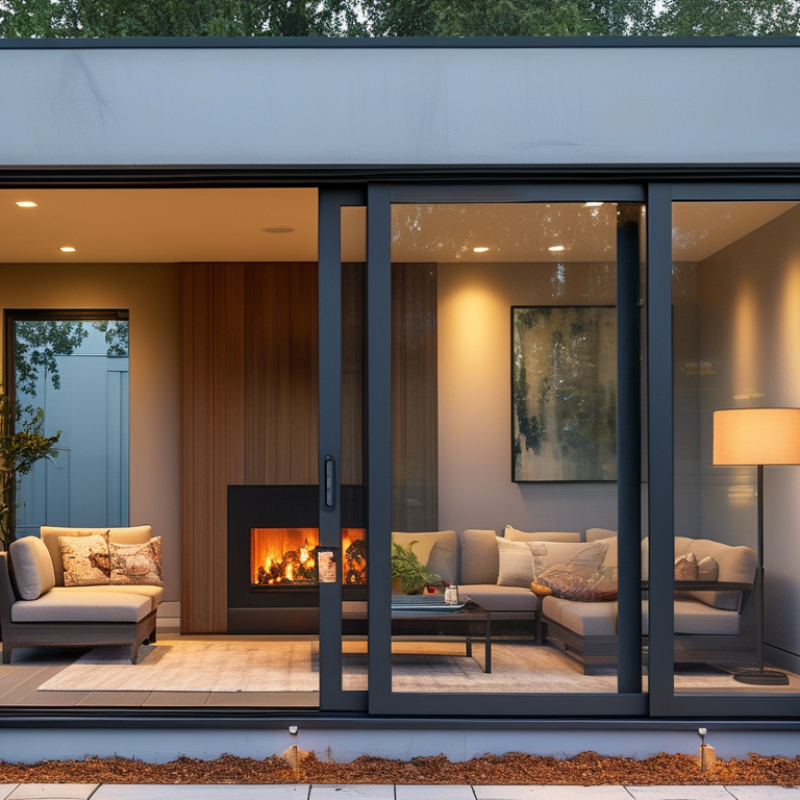
Key Features to Consider When Selecting Sliding Patio Doors
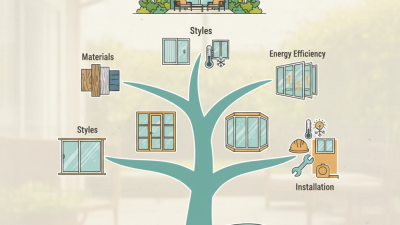
When selecting sliding patio doors, several key features play a critical role in your decision. First, consider the material. Vinyl, wood, and aluminum each offer distinct benefits. For example, vinyl is energy-efficient and low-maintenance. However, some homeowners may find it less visually appealing than wood. According to a recent report by the National Association of Realtors, around 67% of homebuyers value energy-efficient features. This underscores the importance of material choice.
Next, examine the glass options. Low-E glass can significantly reduce energy costs and improve comfort by reflecting heat. A study by the U.S. Department of Energy indicates that quality glass can increase thermal performance by up to 30%. While attractive, some sliding doors with low-quality glass may not provide adequate insulation, leading to energy loss. Assessing this can save you money in the long run.
Security features are also crucial. Multi-point locking systems provide enhanced safety. However, not all sliding doors offer the same level of security, exposing some homes to risks. Research indicates that sliding patio doors with inferior locks are 3 times more likely to be targeted by burglars. Ensure the product you choose meets industry security standards to keep your home safe.
Material Choices: Wood, Vinyl, and Aluminum for Durability and Style
When selecting sliding patio doors, the material plays a crucial role in balancing durability and style.
Wood offers a warm, natural look, enhancing the aesthetic of any space. However, it requires regular maintenance to prevent warping and weather damage.
Consider the climate in your area when opting for wood. A high-quality sealant can help prolong its lifespan.
Vinyl is a popular choice for those seeking low maintenance options. This material is resistant to fading and will not crack or warp.
It comes in various colors and styles, making it easy to match your home’s design.
Keep in mind that cheaper vinyl may not offer the same durability. Invest in quality for long-term satisfaction.
Aluminum frames provide a sleek and modern look. They are sturdy and can withstand harsh elements.
However, they may conduct heat or cold, impacting energy efficiency.
Adding thermal breaks can help mitigate this issue.
Tips for choosing the right material: always check for energy-efficient ratings. This can save on heating and cooling costs.
Additionally, consider the sliding mechanism's quality. It should operate smoothly without much effort.
Ultimately, ensure you visualize how the doors will complement your home’s look while serving practical purposes.
Energy Efficiency Ratings: Understanding U-Factor and SHGC Metrics
When selecting sliding patio doors, energy efficiency should be a priority. Understanding U-Factor and Solar Heat Gain Coefficient (SHGC) metrics is essential. The U-Factor measures heat transfer. A lower number indicates better insulation. This means reduced heating and cooling costs for your home. SHGC evaluates how much solar heat passes through the door. A lower SHGC is advantageous in hot climates.
Tips for choosing doors include considering your local climate. If you live in an area with extreme temperatures, prioritize doors with low U-Factor ratings. Look for products that balance aesthetics and practicality. Proper installation also affects energy efficiency. Ensure a tight seal to prevent drafts, as even the best doors can underperform if installed poorly.
Take the time to research different materials too. Vinyl and fiberglass may offer better insulation than aluminum. Reflect on your lifestyle needs. Sliding doors should complement your daily activities while being energy efficient. Remember, while style is important, functionality and sustainability take precedence in the long run. Balancing these considerations can lead to lasting satisfaction.
Energy Efficiency Ratings of Sliding Patio Doors
Security Enhancements: Locks and Safety Features for Peace of Mind
When selecting sliding patio doors for your home,
security features are crucial. Many homeowners overlook the importance of effective locking mechanisms.
Standard locks can be easy to breach, leaving your home vulnerable.
Look for doors with advanced locking systems, like multi-point locks, which secure the door at various points.
This adds an extra layer of protection against intruders.
Investing in impact-resistant glass is also wise. Such glass can withstand force and is harder to break.
This is especially important if you live in an area prone to severe weather or high crime.
Additionally, consider adding security bars or window film as supplementary safety measures.
They can deter break-ins without compromising aesthetics.
Regular maintenance is essential for security features.
Check locks and tracks frequently. If a lock starts to stick or feels loose, it may need replacement or repair.
Don’t ignore wear and tear; a failing lock won’t protect you effectively.
Regular checks help maintain your home’s safety and keep your peace of mind intact.
Professional Installation vs. DIY: Costs and Benefits to Weigh
When considering sliding patio doors, the decision between
professional installation and
DIY can greatly affect your budget.
Professional installation often costs between $300 to $1,200,
depending on the complexity and materials used. According to the National Association of Home Builders,
hiring professionals can ensure better craftsmanship and warranty support. They can address
potential structural issues that an inexperienced installer might overlook.
On the other hand, DIY installation can save you money upfront.
Homeowners report typical savings of about 30% when going the DIY route.
However, the risk of mistakes is heightened. Incorrect measurements or improper sealing can lead to water leaks and energy loss.
A 2021 report by Remodeling Magazine indicates that, while DIY can be rewarding,
the long-term costs of errors may outweigh initial savings. Carefully assess your skill level
and the project scope before deciding.
Overall, understanding the costs and benefits of each option is crucial. Consider your abilities and the potential
impact of your choice on energy efficiency and aesthetics.
Balancing cost with quality is important for a lasting home improvement.
Ultimately, choose what aligns best with your needs and comfort level.