Essential Tips for Choosing Patio Doors for Your Home?
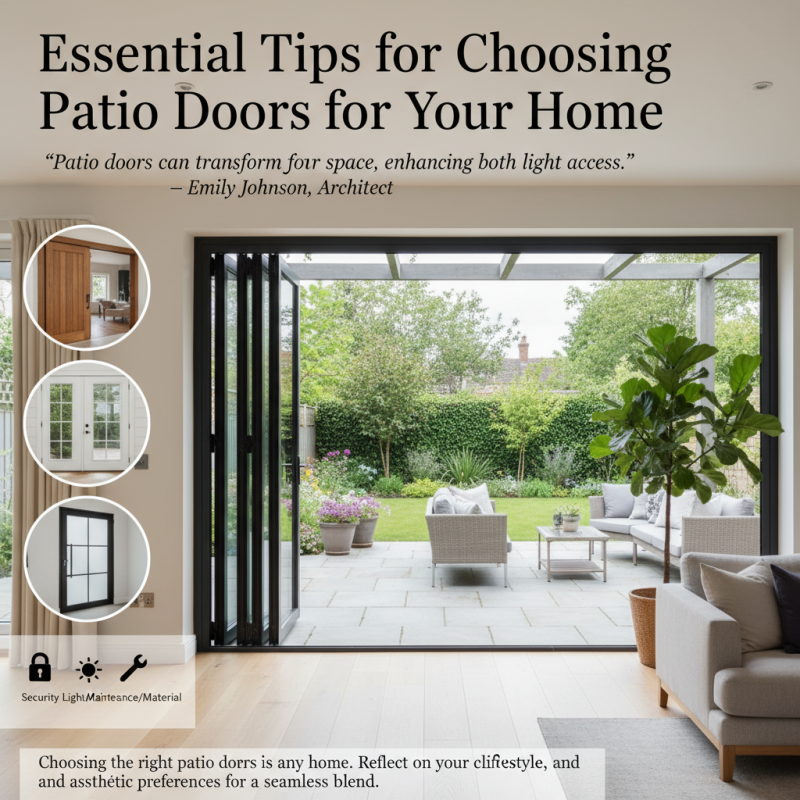
Choosing the right patio doors is crucial for any home. Expert architect Emily Johnson says, “Patio doors can transform your space, enhancing both light and access.” With the right choice, your indoor and outdoor areas can blend seamlessly.
Consider the variety of styles available. From sliding to bi-fold designs, each offers unique benefits. Think about functionality, security, and aesthetics. Not every style will suit your home’s needs. It’s essential to find a balance among these elements for optimal satisfaction.
Also, pay attention to materials. Wood, vinyl, and aluminum all provide different looks and durability. Reflect on your climate and maintenance preferences. Make a choice that aligns with your lifestyle. Patio doors are an investment; getting it wrong can lead to regrets and extra costs down the line.
Understanding Different Types of Patio Doors for Your Home
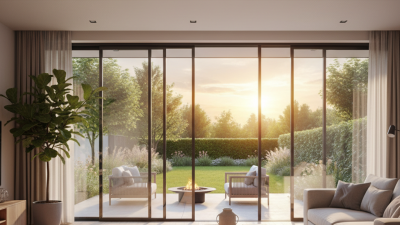
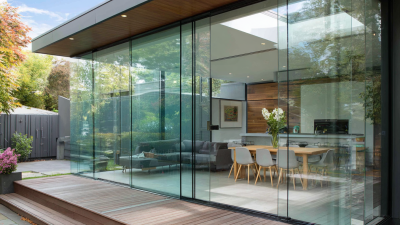
When choosing patio doors for your home, understanding the different types available is crucial. Sliding doors are popular for their space-saving design. They glide smoothly on tracks, making them easy to operate.
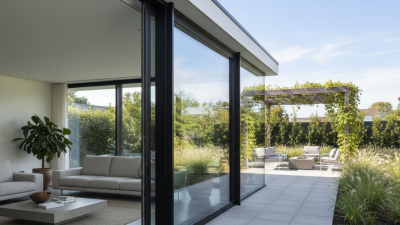
Bi-fold doors, however, create a dramatic open space. They fold away completely, merging indoor and outdoor areas seamlessly.
French doors are another timeless choice. They add elegance with their classic design and often feature multiple glass panes. According to a 2022 industry report, 45% of homeowners prefer sliding doors, citing convenience as a key factor. In contrast, bi-fold doors are favored for their aesthetic appeal, with 30% of respondents choosing them for their ability to open up living spaces.
Tips for selecting the right patio door include considering energy efficiency. Look for doors with low-E glass, which reflects heat and keeps your home comfortable. Security features are another important aspect. Ensure that the doors come with sturdy locks and reinforced frames. Also, factor in maintenance requirements. Some materials, like vinyl, are easy to clean and resistant to weathering, while wood may need regular upkeep to maintain its look and integrity.
Factors to Consider When Measuring for Patio Doors
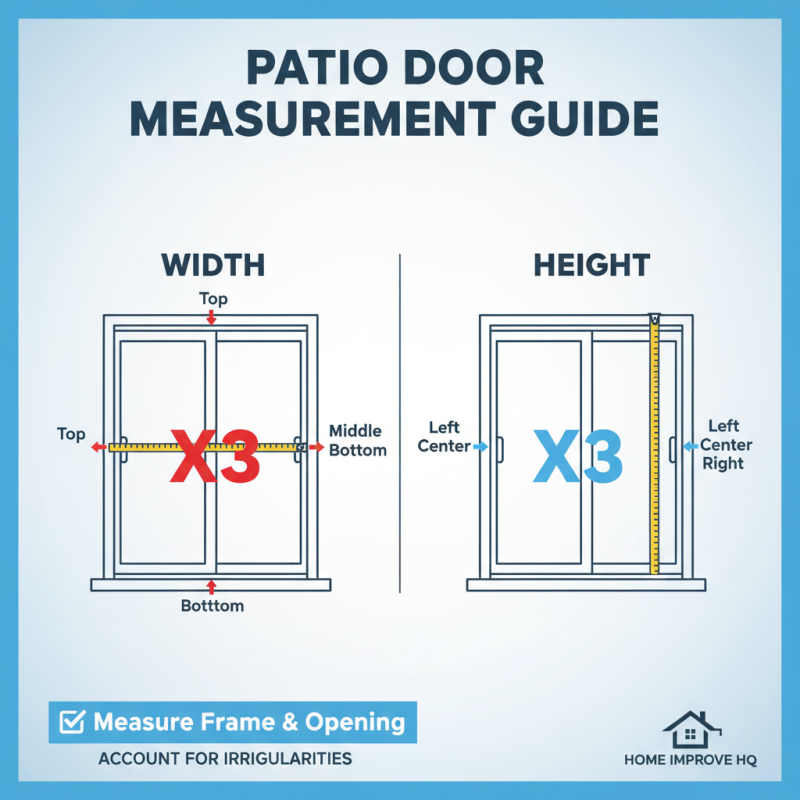
When selecting patio doors, accurate measurements are essential. Start by determining the width and height of your current doorway. Use a tape measure and ensure you measure at three points: the top, middle, and bottom for width, and the left, center, and right for height. This helps account for any irregularities in your structure. Remember to measure both the door frame and the opening itself.
Consider any obstructions near the door. This includes light fixtures, steps, or furniture that may limit the swing or slide of the door. Be mindful of the threshold height too. A door that opens over a step might require specific adjustments to fit seamlessly. Lastly, don't forget to measure for the wall space around the door. This is crucial for ensuring proper installation and functionality. Taking these factors into account helps ensure a perfect fit for your new patio doors.
Material Options for Patio Doors: Pros and Cons
When selecting the right patio door for your home, understanding material options is critical. Common choices include wood, vinyl, and fiberglass. Each material has its advantages and drawbacks.
Wood offers a classic look. It can be stained or painted, allowing for versatility. However, wood doors require regular maintenance to prevent rotting. According to the American Wood Council, untreated wood can lose structural integrity in humid environments. This can lead to costly repairs over time.
Vinyl, on the other hand, is low-maintenance and energy-efficient. A report by the U.S. Department of Energy states that vinyl doors can reduce energy costs by up to 30%. However, they may lack the aesthetics of wood. Additionally, vinyl can warp in extreme temperatures, which can be a concern in certain climates.
Fiberglass is a newer option that combines the best of both worlds. It’s durable, energy-efficient, and resists warping and cracking. The National Association of Home Builders notes that fiberglass doors are gaining popularity due to their longevity. However, they can be more expensive upfront, which may deter some homeowners. Selecting the right material requires weighing these factors carefully.
Energy Efficiency Ratings and Their Importance in Patio Doors
When selecting patio doors, energy efficiency ratings should be a top priority.
The energy used for heating and cooling can significantly impact your utility bills. High-rated patio doors can help maintain a comfortable temperature indoors.
These doors reduce unnecessary heat exchange, making it easier to keep your home cozy in winter and cool in summer.
Look for products that come with labeling, indicating their energy performance. The NFRC (National Fenestration Rating Council) label can provide vital information.
It includes ratings for U-factor, solar heat gain, and visible transmittance. Understanding these ratings is crucial.
For instance, a lower U-factor means better insulation. This translates into reduced energy costs over time.
Keep in mind that not all doors are created equal. Some materials perform better than others.
Vinyl, fiberglass, and aluminum each have unique advantages.
However, they also have drawbacks. Poor installation can negate any energy benefits, so consider professional help if you're unsure.
Selecting the right patio door is an investment, impacting comfort and energy efficiency for years.
Choose wisely.
Aesthetic Considerations: Style and Design Choices for Patio Doors
Choosing the right patio doors can transform your home's aesthetic. The style of patio doors influences the overall look of your living space. Consider whether you prefer traditional French doors or sleek sliding designs. Each style brings a unique vibe.
French doors offer elegance and a classic touch, while sliding doors create a modern, spacious feel.
When selecting materials, think about the color and texture. Wood offers warmth, but it needs upkeep. Vinyl is low-maintenance but might lack the charm of wood. Mixing materials can create visual interest. Large glass panels can enhance natural light, making your space feel airy. Reflecting on your home's existing decor helps ensure harmony.
Consider the architectural style of your home. A cottage might benefit from rustic doors, while a contemporary home may require minimalist options. Don't overlook energy efficiency; the right choice can save on utility bills. It’s important to balance style with functionality. Sometimes, a beautiful design sacrifices practicality. Take the time to explore and visualize your options thoroughly.