Why choose energy efficient exterior windows? The answer begins with the glass, frame, and way a window is installed. Together, these features affect how much heat moves between a home and the outdoors. On a cold morning, a poorly sealed frame may let in a faint draft. In summer, direct sun can warm a room long before the afternoon ends. Small details matter.
Energy-efficient options may include insulated glazing, low-emissivity coatings, and frames designed to reduce heat transfer. The right combination depends on local weather, window orientation, existing insulation, and the building itself. A south-facing room may need different solar control from a shaded bedroom. Installation matters, too. Even a well-rated product can perform poorly if gaps remain around its frame.
Look beyond a single label. Compare product ratings from recognized testing or certification programs, and check that the figures apply to the window type and climate you are considering. Ask an experienced installer how they will seal and fit each unit. That conversation can reveal practical issues before work begins.
There is no perfect window. That is worth remembering. Efficient replacements may improve comfort and help manage heating or cooling use, but results vary, and they cannot correct every insulation or ventilation problem. A careful choice starts with the home’s actual conditions, not a promise of dramatic savings. It may take more research than expected. That effort is useful.
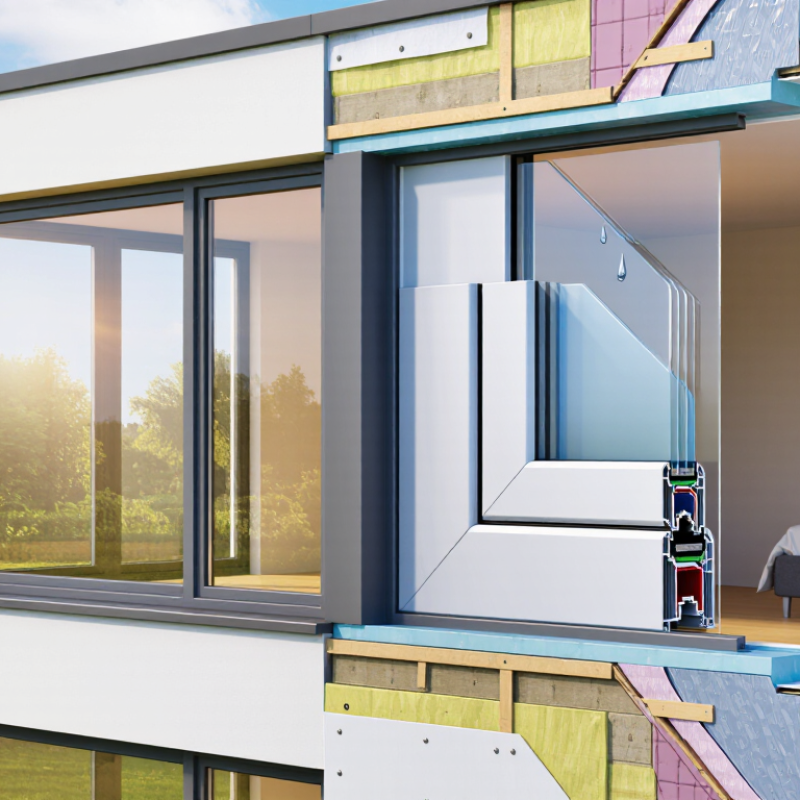
Energy-efficient exterior windows are designed to slow heat transfer between a home and the outdoors. They usually combine insulated glass, carefully sealed edges, and frames that limit heat loss. Some have two or three glass panes, with air or an insulating gas between them. A low-emissivity coating can reflect heat while allowing daylight inside. These features work together, but no single feature guarantees good performance.
Window ratings help explain how a unit may perform. A lower U-factor generally means less heat passes through the window. The solar heat gain coefficient indicates how much sunlight-driven heat enters. The right balance depends on local weather, room orientation, and shading. For example, a sunny west-facing room may need different solar control than a shaded north-facing room. Installation matters too. Even a well-rated window can underperform if gaps around its frame let air leak through. I find this easy to overlook when comparing product labels.
Tips: Compare ratings for your climate, inspect frame seals, and ask how the window will be installed. Keep the room’s sunlight and existing drafts in mind. A perfect rating on paper may not suit every home.
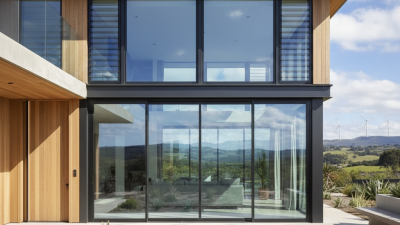
Heat moves through a window by conduction, air leakage, and radiation. Better glazing slows each path in a different way. Double or triple panes add still air or inert gas between layers, reducing heat flow through the glass. The gap matters. A narrow or poorly sealed space may perform less effectively than expected.
Low-emissivity coatings reflect some infrared energy while allowing visible daylight through. In winter, they can help keep indoor warmth from escaping; in summer, the right coating can limit solar heat gain. Climate and window orientation matter. A sun-facing room may need different solar control than a shaded one. Look at both U-factor, which describes heat loss, and solar heat gain coefficient, which describes sunlight entering the home.
Frames and edge spacers deserve attention, too. Metal can conduct heat around the glass, while insulated frame materials may reduce that pathway. Warm air near a cold pane can still feel uncomfortable. That detail is easy to miss. Even efficient glazing can underperform when installation leaves gaps around the frame. Careful air sealing matters, though it cannot correct every design choice. A window is only one part of the building envelope.
A cold draft near a window can make a room uncomfortable even when the thermostat is set high. Energy-efficient exterior windows help limit heat transfer and air leakage when they are correctly selected and installed. In winter, better-insulated glass can reduce chilly spots beside the frame. In summer, suitable glazing can help keep intense sunlight from overheating rooms. Small changes matter.
Look for performance details, not just claims on a label. U-factor describes how readily heat passes through a window; lower values generally indicate better insulation. Solar heat gain ratings help show how much sunlight warmth enters. The right balance depends on climate, shade, and window direction. A west-facing room with late-afternoon sun may need different glazing from a shaded north-facing room. Installation matters, too. Gaps around a new frame can undermine its performance, so careful sealing is essential.
Comfort is only part of the benefit. Reduced heating and cooling demand may lower household energy use, though results vary with the home and local weather. Less wasted energy can also reduce associated emissions when electricity or heating fuels are produced. Yet replacing every window is not always the best first step; repairing air leaks or improving attic insulation may help more. It is worth checking the whole home before choosing upgrades, even if the window is the draft you notice first.
Lower U-factor means less heat transfer through a window, helping improve indoor comfort and reduce heating and cooling demand.
Representative whole-window U-factor values in Btu/(h·ft²·°F). Actual performance varies by product, frame, glazing, and climate. Lower values indicate better insulation.
Choosing energy-efficient exterior windows means comparing performance details, not just glass appearance. Start with the U-factor, which indicates how quickly heat passes through a window; lower values generally mean better insulation. Check the solar heat gain coefficient, too. In colder regions, some solar warmth can help, while sunny rooms may benefit from lower heat gain. Climate matters.
Compare the full assembly: glass, frame, seals, and installation method. A well-insulated pane can still perform poorly if air slips around a loose frame. Ask for tested ratings and confirm they apply to the complete window, not just the glass. Also consider condensation resistance and visible transmittance, especially if daylight or winter moisture is a concern. Ratings help, but they do not predict every room perfectly.
Tips: Compare ratings on the same scale. Measure each opening carefully, and ask how the installer will seal the perimeter. Check warranties and maintenance needs. A heavier frame may improve durability, yet it can reduce the glass area. I would not choose by one number alone; local conditions and installation quality can change the result.
Choosing windows begins with local weather and the way a house faces. In cold climates, well-sealed frames and suitable insulating glass can reduce heat loss near seating areas. In hot, sunny regions, solar-control glazing and exterior shade can limit afternoon heat. That matters. Coastal moisture and driving rain also make durable finishes, drainage, and careful flashing important. Ask a qualified installer how options perform in your climate, not just how they are described in product ratings.
Climate is only half the decision. A west-facing living room may need different glass from a shaded north-facing bedroom. Large panes bring daylight, but they can also increase glare and cooling demand. Match window size, opening style, and frame profile to the home's ventilation needs and architecture. In an older house, an oversized modern unit may look out of place or require disruptive wall changes. Small details count.
It is easy to focus on glass specifications and overlook installation. A high-performing window can still leak air if the opening is poorly sealed or flashed. Compare whole-window performance, including the frame, and check how ratings apply to your climate. There is no perfect choice; budget, maintenance, sunlight, and comfort may pull in different directions. Before choosing, note which rooms feel drafty, where condensation appears, and when direct sun enters.