What Are the Top Types of Patio Doors for Global Buyers?
Choosing the right patio doors can change how a home feels, performs, and connects with outdoor space. For global buyers, the decision involves more than appearance. Climate, building design, maintenance habits, security expectations, and local installation skills all influence the final result.
Sliding glass doors remain popular because they save space and provide wide views. French doors offer a traditional look and a generous opening for gardens or balconies. Folding doors can create an impressive indoor-outdoor transition, although their tracks need careful cleaning. Pivot doors add architectural character, but they may require stronger structural support. Each type has practical strengths, and none is perfect for every property.
Climate changes everything. In coastal regions, corrosion-resistant hardware deserves close attention. Cold climates require reliable seals and low-emissivity glazing to reduce heat loss. Hot, sunny areas may benefit from solar-control glass and shaded frames. Buyers should also check drainage, locking systems, glass safety ratings, and replacement-part availability. These details matter.
Professional advice should come from manufacturers, qualified installers, and tested product documentation. A beautiful door can still perform poorly if the opening is measured incorrectly. That assumption can fail. I have seen product comparisons focus heavily on style while ignoring installation quality, which often determines long-term satisfaction. Budget planning should include delivery, preparation, fitting, maintenance, and possible repairs. The most suitable patio doors balance design, energy performance, security, accessibility, and regional conditions. Careful comparison is worthwhile, even when the choice seems obvious.
What Patio Doors Are and How They Support Different Outdoor Spaces
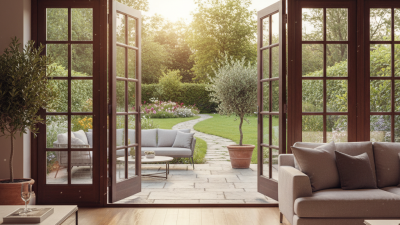
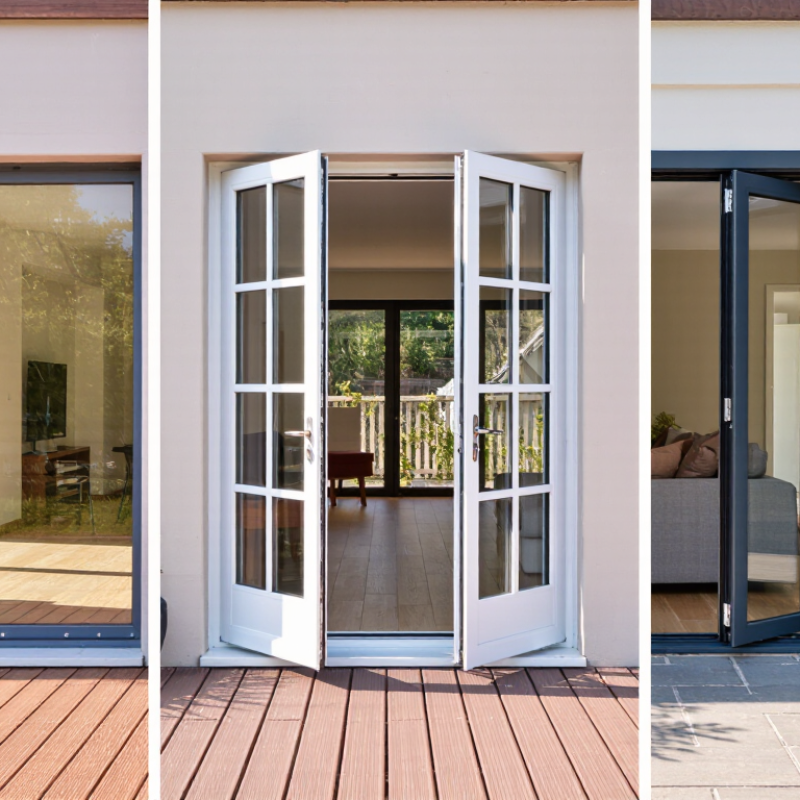
Patio doors connect indoor rooms with gardens, balconies, courtyards, and covered terraces. They usually use large glass panels to increase daylight and outdoor views. Sliding doors move along tracks, making them practical for narrow rooms. Hinged French doors open outward or inward, creating a wider entry when space allows. Folding doors stack beside the opening and can support entertaining areas with fewer visual barriers.
Each type supports a different outdoor lifestyle. A sliding door suits a compact apartment balcony with limited floor space. French doors can complement a dining room that opens onto a small garden path. Folding systems may work well beside a patio dining area, especially when guests move frequently between spaces. Weather seals, drainage, glass performance, and frame strength deserve careful attention. They affect comfort, maintenance, and long-term reliability.
Details matter more than appearance alone. A low threshold may help daily access, but it must still manage rainwater properly. Large glass panels can improve views, yet they may increase heat gain without suitable glazing. I have seen attractive layouts become uncomfortable because shade planning was ignored. No single door fits every home. Local wind, rainfall, security needs, and installation quality should guide the final choice. Sometimes, a simpler sliding door performs better than a complex opening system.
Top Patio Door Types for Different Outdoor Spaces
Representative overall opening spans for common residential configurations
Sliding doors suit compact patios because the panels move along the wall, while French doors provide a traditional hinged entry. Folding and multi-slide systems can connect larger living areas with gardens or terraces. Pivot doors create a distinctive wide entrance where architectural space allows. Values show representative overall opening spans; actual dimensions vary by layout and local building standards.
Which Main Patio Door Types Are Available to Global Buyers
Global buyers can choose among four main patio door types: sliding, hinged French, folding, and lift-and-slide systems. Sliding doors move on tracks and preserve furniture space. They suit balconies, compact terraces, and wide openings with limited clearance. Hinged French doors provide a familiar entry feel and strong ventilation. Folding doors stack panels near one side, creating a broad opening. Lift-and-slide doors use raised rollers, reducing operating force for heavier glass panels. The hardware costs more.
Performance should guide the choice, not appearance alone. The 2023 U.S. Department of Energy Buildings Energy Data Book reports that windows contribute about 25–30% of residential heating and cooling energy use. Patio doors are part of that envelope. Low-emissivity glazing, insulated frames, and warm-edge spacers can reduce heat transfer. The 2023 International Energy Agency Global Status Report says buildings consume about 30% of global final energy. Thermal design is a practical buying issue.
In hot climates, specify solar-control glass, shaded frames, and tested air leakage. In cold regions, prioritize low U-values, proper installation, and drainage. Coastal buyers should examine corrosion-resistant hardware and stainless fasteners. For folding systems, ask for panel alignment tolerances and replacement-seal availability. For sliding systems, check track drainage after heavy rain. Product claims need independent test evidence under recognized standards. A beautiful door can still disappoint when local installers lack adjustment skills. That risk is easy to underestimate.
How Materials, Glass, and Opening Systems Affect Door Performance
What Are the Top Types of Patio Doors for Global Buyers?
Patio door performance begins with the frame material. Thermally broken aluminum offers slim profiles and strong resistance to warping. It suits large openings, but poor thermal detailing can create cold interior edges. uPVC provides reliable insulation and lower maintenance in many climates. Timber feels warm and natural, although it needs careful sealing in humid or coastal locations. Fiberglass is stable, but availability and repair skills may vary by market.
Glass changes comfort more than many buyers expect. Double glazing works well in moderate climates, while triple glazing can reduce heat loss in colder regions. Low-emissivity coatings limit unwanted solar gain without making rooms dark. Laminated glass improves security and reduces injury risks if breakage occurs. However, darker glass may increase indoor lighting use. That trade-off is easy to overlook.
Opening systems also affect daily performance. Sliding doors save space and work well beside furniture, but their tracks need regular cleaning. Hinged doors usually provide stronger compression seals, especially during wind-driven rain. Folding systems create wide openings, yet their hardware and alignment demand careful installation. Lift-and-slide doors move heavy panels smoothly, though they require precise thresholds and skilled fitting. A specification may look excellent on paper and still fail after poor installation. Local wind loads, drainage details, and replacement-part access deserve equal attention.
What Climate, Security, and Installation Factors Should Buyers Compare
Patio doors should be compared against local weather, security expectations, and installation conditions. Sliding doors suit narrow terraces and need little clearance. Hinged doors provide stronger ventilation but require swing space. Folding systems open wide, yet their hardware needs careful adjustment. The most attractive design may perform poorly in salt air.
In humid or rainy climates, buyers should inspect drainage channels, gasket quality, and corrosion-resistant hardware. Cold regions need insulated frames and low-air-leakage glass. Hot climates benefit from solar-control glazing and shaded openings. In windy areas, check the tested wind-load rating for the building’s exposure. Small details matter. A raised threshold may block rain, but it can create a trip hazard for children or older users.
Security depends on more than a multi-point lock. Laminated glass, reinforced frames, and properly fixed hinges can slow forced entry. Installation quality is equally important. Measure the opening twice, then check the wall structure and floor level. I once underestimated an uneven threshold, and the finished door dragged after heavy rain. That mistake showed me why site inspection should precede ordering. Buyers should request installation drawings, drainage details, maintenance requirements, and independent performance evidence. Still, technical specifications are not promises. A poorly sealed joint can defeat expensive glass and strong locks. Allow space for seasonal expansion, especially with large frames exposed to direct sunlight.
How to Select the Right Patio Door for a Home or Building Project
Choosing a patio door starts with the building’s layout, climate, and daily use. Sliding doors suit compact terraces because their panels move along a track. French doors open wide and add a traditional appearance, but they need clear floor space. Folding doors create a broad opening for gardens, cafés, and meeting areas. Lift-and-slide doors offer large glass panels with smooth operation, though their hardware and installation usually cost more.
Weather matters as much as appearance. In coastal locations, specify corrosion-resistant hardware and durable seals. In cold regions, low-emissivity glass and insulated frames can reduce heat loss. Hot climates may require solar-control glass, external shading, or both. Ask for tested air, water, and wind performance rather than trusting a general product description. Small details matter. A low threshold improves access, but it may demand careful drainage design.
Measure the opening after checking the wall structure, interior finishes, and exterior paving. A door that looks suitable online may fail when furniture blocks its swing. I once underestimated afternoon glare in a bright living room; the room became uncomfortable despite good ventilation. That mistake changed my selection process. I now compare sample glass, handle height, screen options, cleaning access, and replacement-part availability. Local installers should confirm the opening, drainage, safety glazing, and emergency access before ordering. A slightly simpler door can be the more reliable choice when maintenance skills, budget, or service support are limited.