China Top Patio Doors Manufacturers for Global Buyers

China has become a major sourcing base for exterior building products, including patio doors. Its manufacturers serve residential, hospitality, and commercial projects across many climates. However, “top” should not mean the lowest quotation. It should mean consistent quality, documented testing, responsive communication, and dependable after-sales support.

Industry data supports the importance of careful door selection. The U.S. Department of Energy reports that windows, skylights, and doors can represent a significant share of residential heating and cooling energy use. This makes thermal performance more than a marketing phrase. Low-E glass, insulated frames, thermal breaks, airtight seals, and correctly fitted rollers can affect comfort beside a sunlit terrace. Grand View Research and other building-products reports also identify renovation, energy efficiency, and modern residential design as important drivers of global door demand.

Reliable Chinese manufacturers should provide clear specifications, sample approvals, production photographs, and test documentation. Buyers should review air infiltration, water penetration, structural performance, U-value, glass safety, and hardware durability. Relevant standards may include ASTM, AAMA or FGIA, EN, and regional certification requirements. ISO 9001 can indicate process control, but it does not prove that every patio doors model performs well.

A polished catalogue is not proof.

Factory audits, reference projects, packaging checks, and independent inspections remain valuable. Some suppliers communicate impressively but struggle with small design changes or replacement parts. This guide compares China’s leading patio doors manufacturers through practical sourcing factors, while recognizing an uncomfortable truth: no supplier is perfect for every market, climate, or project budget.

China Top Patio Doors Manufacturers for Global Buyers

Types of Patio Doors Offered by Chinese Manufacturers

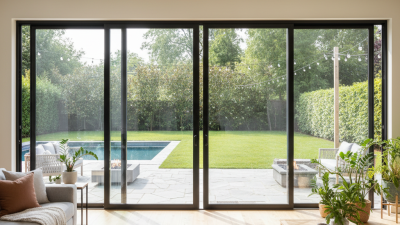
Chinese patio door manufacturers commonly supply sliding, French, folding, and lift-slide systems. Sliding doors save terrace space and suit compact apartments. French doors open wide, but require clear swing areas. Folding systems create broad openings for villas and restaurants. Lift-slide doors support larger glass panels with smoother operation.

The U.S. Department of Energy reports that windows can cause 25% to 30% of residential heating and cooling energy use. Door selection therefore needs more than visual appeal. Ask for U-values, solar heat gain coefficients, air leakage, and water penetration results. NFRC labeling offers a useful comparison framework. Thermally broken aluminum frames improve insulation, while low-E double glazing reduces heat transfer. Triple glazing may help cold regions, but it adds weight and cost. It is not always necessary.

For global projects, Chinese factories can configure low thresholds, concealed drainage, insect screens, laminated glass, and different opening directions. The International Energy Agency’s 2023 buildings report states that buildings consume about 30% of global final energy. Energy performance deserves serious attention. A common mistake is trusting catalog images too quickly. Check rollers, corner joints, seals, hardware, and packaging. Request repeated-cycle and simulated-rain testing. One sample is not enough. A factory video proves little. Written specifications protect the buyer.

Key Features and Materials of China-Made Patio Doors

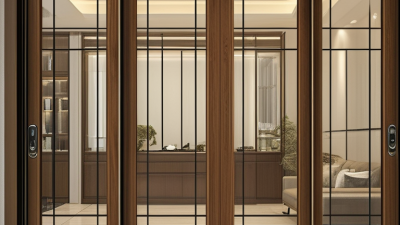
China-made patio doors increasingly combine slim profiles, large glass areas, and configurable hardware for global projects. Aluminium remains popular because it resists warping and supports narrow sightlines. Thermal-break aluminium performs better than standard profiles, especially when reinforced with polyamide strips. uPVC offers stronger insulation at a lower cost, but its frame thickness may reduce the glass area. Timber-aluminium systems feel warmer and more refined, though they require stricter moisture control.

Glass selection deserves equal attention. Low-emissivity double glazing can reduce heat transfer, while argon filling improves insulation between panes.

The U.S. Department of Energy reports that windows and doors can cause 25–30% of residential heating and cooling energy use. This figure makes glazing performance commercially important, not decorative.

Tempered or laminated glass improves impact safety and sound control. Multi-point locks, stainless-steel rollers, and corrosion-resistant tracks also matter in coastal environments.

Factory claims still need verification. Ask for U-values, air leakage, water penetration, and structural test results, preferably under recognized standards such as NFRC, AAMA, or EN procedures. A beautiful sample can hide weak drainage design. That is the uncomfortable part. Buyers should inspect corner joints, gasket compression, drainage holes, and powder-coating thickness before placing volume orders. The International Energy Agency continues to identify building-envelope efficiency as a major route to lower building energy demand. Yet no material works perfectly everywhere; climate, installation quality, and maintenance can change the final result.

How to Evaluate Chinese Patio Door Manufacturers

For global buyers, evaluating Chinese patio door manufacturers requires more than comparing catalog prices. A credible supplier can explain its extrusion alloy, thermal-break design, glass specification, and coating process. Ask for drawings, section samples, and test reports from recognized laboratories. Do not accept vague claims. Check whether air leakage, water resistance, and wind-load results match the exact door system you will purchase. Small detail, major risk.

Request a factory video call during production, not only a polished showroom tour. Look at profile storage, cutting equipment, assembly benches, and finished-door protection. Ask how operators record dimensions, glass clearance, hardware torque, and surface defects. A reliable manufacturer should show batch records and explain corrective actions. It should also confirm packaging tests, container loading plans, lead times, and replacement procedures for damaged parts. Promises are easy.

Before signing, order a paid sample and inspect it as an installer would. Slide the panels repeatedly. Check rollers, locks, seals, drainage holes, corner joints, and alignment. Compare the sample with approved drawings. Clarify tolerances, warranty coverage, payment milestones, and export documentation responsibilities. Certifications matter, but they do not replace independent inspection. No factory is perfect. I would rather see an admitted weakness and a measured improvement plan than hear flawless answers. That judgment may take longer, yet it often prevents expensive rework at the job site.

Quality Standards, Certifications, and Customization Options

China’s top patio door manufacturers are often judged by finish, price, and delivery speed. Serious buyers should look deeper. Quality begins with stable aluminum, accurate profiles, durable seals, and controlled glass production. Details matter.

Ask for documented air, water, and wind-load testing before approving a large order. Test reports should match the exact door system, glass thickness, and hardware configuration. Certifications may include ISO 9001 for quality management, CE marking for applicable European products, or regional energy ratings. Requirements differ by destination, so one certificate cannot prove universal compliance. Samples reveal more than brochures. Check corner joints, rollers, locking points, drainage holes, and powder coating under strong light. Small defects become expensive after installation.

Customization is another important strength. Manufacturers may adjust opening sizes, frame colors, glass performance, screen systems, thresholds, and handle positions. However, every change can affect cost, lead time, thermal performance, or testing results. Confirm drawings before production. Request a physical sample for unusual finishes. I have seen attractive specifications fail because the installer received unclear tolerances. That mistake is avoidable.

Reliable suppliers also explain limitations instead of promising everything. A low-U-value glass unit may increase weight and require stronger rollers. Oversized panels may need special packaging and lifting equipment. Buyers should review inspection records, packing photographs, replacement-part procedures, and warranty terms. Factory visits help, but they are not perfect proof. Ongoing communication and independent pre-shipment inspection provide stronger confidence.

Global Buying, Pricing, Shipping, and Installation Considerations

Buying patio doors from China requires more than comparing catalog prices. Ask manufacturers for thermal ratings, frame materials, glass specifications, warranty terms, and recent export experience. A low quotation may exclude hardware, packaging, testing, or inland transport. Request a detailed pro forma invoice with currency, minimum order quantity, production time, and Incoterms. Measure twice. Small errors become expensive after production.

Shipping also affects the real landed cost. Confirm whether the doors will travel by container, consolidated freight, or another method. Protective corner guards, moisture barriers, and reinforced crates reduce damage during long transit. Check customs documents with your broker before payment. Local building codes may require specific safety glass, insulation values, or emergency exits. Installation needs equal attention. Heavy sliding panels often require two or three trained workers, a level opening, and proper drainage. An installation guide is useful, but local site conditions can defeat a perfect plan. Delays happen.

Tips: Compare at least three written quotations, not screenshots. Request a sample or detailed pre-production drawings. Verify dimensions in millimeters and inches. Keep a contingency budget for duties, storage, and replacement parts. Inspect the container and cartons immediately after arrival, recording photos and measurements. If the supplier avoids technical questions, reconsider the order. Cheap doors are not always economical.

China Top Patio Doors Manufacturers for Global Buyers - Global Buying, Pricing, Shipping, and Installation Considerations
Category Data Point Typical Range or Requirement Global Buyer Considerations
Product Types Aluminum Sliding Patio Door Commonly supplied with two or three panels, insulated glass, powder-coated or anodized frames, and multi-point or hook locks. Suitable for modern residential projects. Confirm thermal-break construction, drainage design, wind-load calculations, and corrosion resistance before ordering.
Product Types uPVC Sliding Patio Door Typically uses multi-chamber profiles, steel reinforcement, insulated glass, weather seals, and reinforced rollers. Generally offers good thermal insulation at a lower cost. Check profile wall thickness, reinforcement size, ultraviolet resistance, and color stability for hot climates.
Product Types Thermally Broken Aluminum Door Includes a polyamide thermal barrier between interior and exterior aluminum sections; often available with low-emissivity double or triple glazing. A practical choice for cold or mixed climates. Request tested U-values for the complete door assembly rather than for the glass alone.
Product Types Lift-and-Slide Patio Door Uses a raised sash mechanism and heavy-duty rollers to support larger panels; opening heights around 2.1–3.0 m are commonly requested. Provides smooth operation for large openings but requires accurate structural support, level thresholds, reinforced packaging, and professional installation.
Pricing Indicative Factory Pricing Approximate FOB China ranges for a standard residential unit around 2.4 m × 2.1 m: uPVC about US$180–500; standard aluminum about US$250–700; thermally broken aluminum about US$350–1,000; premium lift-and-slide systems about US$700–1,800. Prices vary with frame depth, glass specification, hardware, finish, opening size, screens, packaging, order volume, and testing requirements. Use these figures for early budgeting only.
Customization Standard and Bespoke Dimensions Typical residential heights are approximately 2.0–2.4 m. Widths commonly range from 1.8–3.6 m, while wider systems require engineered panels and structural review. Provide approved architectural drawings, handing direction, sill height, drainage details, tolerances, and local code requirements before production.
Glass Glazing Options Common configurations include 5+12A+5 mm or 6+16A+6 mm double glazing; laminated, tempered, low-emissivity, and triple-glazed options are also available. Select glass according to safety, climate, acoustic, and energy requirements. Confirm safety glazing locations and spacer type for the destination market.
Performance Thermal and Weather Performance Whole-door thermal performance depends on frame, glass, spacer, seals, and size. Air permeability, watertightness, wind resistance, and U-value should be verified by test reports. Do not compare products using glass-only values. Request reports based on the complete tested assembly and check compatibility with local building regulations.
Ordering Minimum Order Quantity and Sampling Stock or standard products may be available in small quantities; customized projects commonly require several units or a project-based order. Samples may be charged separately. Confirm whether sample, tooling, color-matching, testing, and design fees are refundable or credited against a production order.
Production Typical Manufacturing Lead Time Approximately 20–35 days for standard repeat orders and about 35–60 days for customized systems, excluding approval delays and peak-season congestion. The production clock should begin only after drawings, colors, hardware, glass, payment terms, and technical specifications are formally approved.
Quality Control Pre-Shipment Inspection Inspection should cover dimensions, diagonals, frame finish, glass markings, hardware operation, drainage holes, seals, labels, accessories, and packaging condition. Use an agreed inspection checklist and sampling level. For large projects, inspect the first production batch before completing the full shipment.
Packaging Export Protection Typical protection includes corner guards, foam or honeycomb separators, moisture-resistant wrapping, reinforced cartons or wooden crates, and clear identification labels. Confirm whether wooden materials comply with ISPM 15 requirements. Request packaging photos and loading plans for fragile glass products.
Shipping Container and Freight Planning Large glazed doors are usually shipped by sea in protective racks or crates. Freight cost depends on packed volume, weight, destination port, season, and selected Incoterm. Calculate freight using packed dimensions rather than product dimensions. Confirm whether the quotation is EXW, FOB, CIF, or delivered to a named destination.
Shipping Indicative Ocean Transit Time Port-to-port transit commonly ranges from about 15–25 days within Asia, 25–40 days to Europe, and 20–45 days to North America, excluding customs and inland delivery. Allow additional time for factory pickup, export clearance, transshipment, destination customs, port handling, and final-mile delivery.
Trade Terms Duties, Taxes, and Import Documents Potential documents include commercial invoice, packing list, bill of lading, certificate of origin, product test reports, and fumigation or wood-packaging documents where applicable. Import duty, value-added tax, building-product regulations, and documentation requirements differ by country. Verify the correct HS classification with a customs professional.
Installation Site Preparation The opening should be structurally sound, square, plumb, level, dry, and prepared with suitable sill support. Installation gaps must follow the approved system details. Measure the finished opening after accounting for flooring, waterproofing, insulation, flashing, and interior or exterior finishes.
Installation Installation Method Typical work includes dry fitting, shimming, mechanical fixing, perimeter sealing, sill drainage, panel adjustment, and operational testing. Use trained installers for heavy or lift-and-slide doors. Incorrect leveling or excessive sealant can cause roller wear, water leakage, or difficult operation.
Maintenance Routine Care Clean tracks and drainage channels, inspect seals, lubricate compatible hardware, tighten fixings, and remove salt or abrasive deposits from exterior surfaces. Coastal projects require more frequent cleaning and corrosion checks. Avoid abrasive cleaners and incompatible chemicals on coated or anodized finishes.
Warranty After-Sales Coverage Commercial warranty periods commonly range from 1–5 years depending on the component and contract; glass breakage and installation errors may be excluded. Obtain written coverage for frames, finish, insulated-glass seal failure, hardware, rollers, and replacement-part availability before placing the order.
All prices, lead times, dimensions, and transit periods are indicative planning ranges for international procurement. Final specifications and costs should be confirmed against approved drawings, written quotations, applicable local codes, and the agreed Incoterm.