Choosing a front door for an international project involves more than comparing styles. Buyers must weigh material quality, weather resistance, security features, customization, lead times, and after-sales support. A door that performs well in a mild climate may need different insulation or finishes in a coastal or colder region. Details matter.
This guide introduces ten front door manufacturers serving global buyers. It offers a practical starting point, not a universal ranking. The companies differ in product range, manufacturing approach, export experience, and suitability for residential or commercial projects. Some may offer extensive customization; others may focus on consistent specifications and efficient production. Verify current product details directly with each manufacturer, since catalogs, certifications, and delivery terms can change.
Before requesting a quote, prepare clear measurements, opening direction, preferred materials, finish requirements, and expected quantities. Ask about test documentation, packaging, warranty coverage, and replacement-part availability. A sample finish can look different under outdoor light. That small gap can matter. Check how the door, frame, hardware, and installation requirements work together, rather than judging the panel alone. For international orders, confirm shipping arrangements and whether the supplier can provide the documentation your project requires. Requirements vary by destination and application, so independent review may be sensible.
No shortlist replaces careful due diligence. Manufacturer claims deserve questions, and even a well-made door may not suit every building. The following overview helps buyers compare options with greater clarity and identify the right questions before committing.
For global buyers, a front door manufacturer is not always the factory that makes every component. Some companies fabricate door leaves and frames in-house; others assemble sourced hardware, glazing, and profiles into finished units. Ask who controls design, production, and quality checks. The answer can reveal more than a product catalogue.
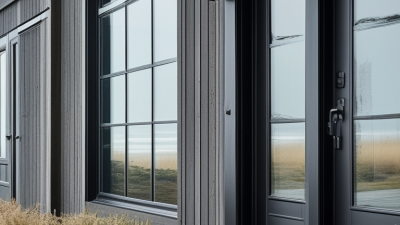
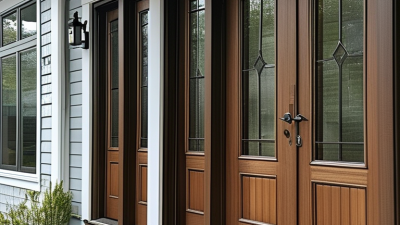
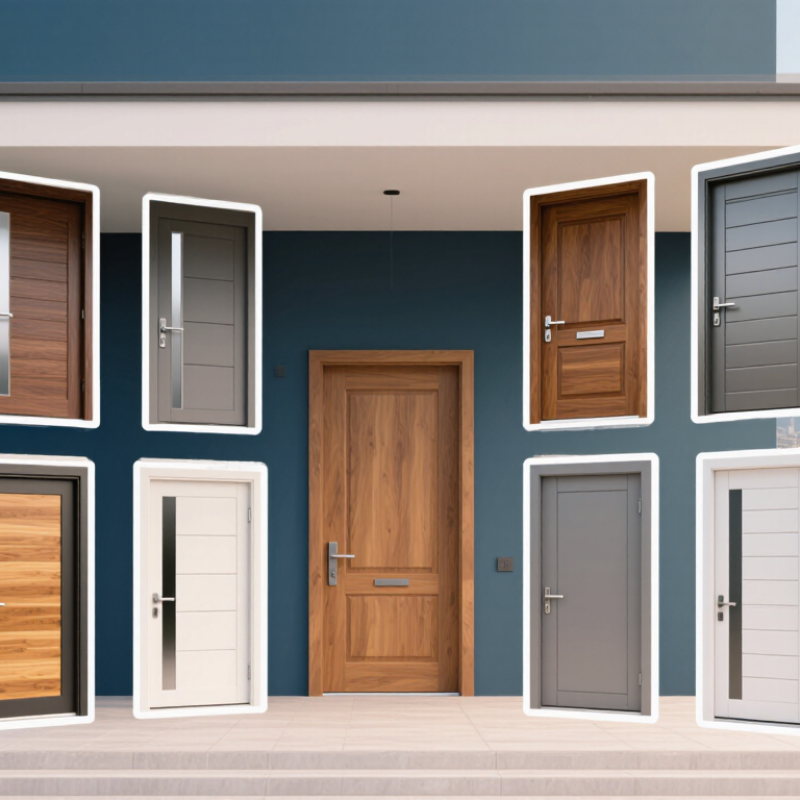
Product categories usually reflect material, construction, and intended use. Common options include timber, steel, aluminium, and composite doors. A buyer may also compare insulated solid panels with doors that include glazed sections. Single-leaf and double-leaf designs serve different openings, while flush, panelled, and glazed styles describe appearance. These labels can overlap. Terminology varies between suppliers, so confirm what each listing actually includes.
Details matter at the specification stage. Check the frame material, threshold, hinges, locking preparation, glazing type, and stated dimensions. A door shown with a neat handle may arrive without one. That small gap can delay installation. Request drawings and written performance data, then compare like with like. Ratings depend on the tested assembly and conditions, not just the door leaf. No catalogue replaces a site measurement. I have seen category names create false confidence; the exact build still needs careful review.
Buyer’s guide: This table compares ten common exterior front-door product categories, not individual companies or a ranked list of brands. A manufacturer generally makes door leaves, frames, or complete door units; some suppliers instead assemble, distribute, or install products made by others. Confirm the supplier’s role and the specifications of the complete door system.
| No. | Product category | Typical construction | Common applications | Key buyer considerations | Useful documentation to request |
|---|---|---|---|---|---|
| 1 | Insulated steel entry doors | Steel exterior skins over an insulated core, fitted in a compatible frame and weather-sealing system. | Houses and other buildings where a durable, relatively low-maintenance entrance is required. | Check skin and frame construction, corrosion protection, finish, thermal performance, hardware preparation, and whether the door is supplied as a complete unit. | Product data sheet, finish and care instructions, installation details, and applicable energy or performance labels. |
| 2 | Fiberglass entry doors | Molded fiberglass door skins, commonly paired with an insulated core and wood, composite, or other frame components. | Residential entrances where buyers want a choice of panel styles and finishes with limited routine upkeep. | Ask about skin construction, finish options, exposure limitations, frame material, glazing choices, and the supplier’s maintenance guidance. | Construction specifications, finish warranty, care instructions, and performance information for the selected door-and-frame combination. |
| 3 | Solid-wood exterior doors | Door leaves made from solid timber components, with species, joinery, and finish varying by product. | Traditional, premium, or architect-designed entrances where natural wood appearance is a priority. | Confirm timber species, moisture and finish requirements, exposure suitability, dimensional stability guidance, and the maintenance schedule. | Timber and finish specifications, installation and care instructions, and warranty terms for the intended climate and exposure. |
| 4 | Engineered-wood exterior doors | Door components made from bonded or layered wood products; exact construction varies between manufacturers. | Projects seeking a wood-based appearance or design flexibility with a specified engineered construction. | Do not assume all engineered-wood products are suitable for exterior exposure. Verify the product’s approved location, protective finish, edge treatment, and moisture limitations. | Material construction details, exterior-use approval, finish requirements, installation instructions, and warranty conditions. |
| 5 | Aluminum entry doors | Aluminum door profiles and frames, often combined with insulated or glazed infill panels. | Contemporary homes and commercial entrances where slim profiles or coordinated glazed systems are desired. | Check thermal-break design where relevant, glazing compatibility, drainage, hardware, finish, and the tested performance of the complete assembly. | Profile and finish data, glazing specifications, installation details, and applicable air, water, structural, or energy test information. |
| 6 | Glazed exterior entrance doors | Door units incorporating transparent or translucent glazing in a wood, metal, fiberglass, or composite frame. | Entrances where daylight, visibility, or a connection to outdoor areas is important. | Specify glass type, safety-glazing requirements for the location, privacy, thermal properties, water management, and frame compatibility. | Glazing make-up and safety information, applicable certification or test reports, and complete-unit installation instructions. |
| 7 | Thermally improved entrance systems | Door and frame designs intended to reduce heat transfer, which may use insulated cores, thermal breaks, or improved seals. | Buildings with defined energy targets or entrances exposed to significant temperature differences. | Compare the stated rating for the whole door unit rather than relying only on the material or center-of-panel value. Ratings depend on size, glazing, frame, and configuration. | Whole-unit energy or thermal rating, test method, configuration details, and any applicable NFRC or local energy-label information. |
| 8 | Impact-resistant entrance doors | Door assemblies designed and tested for specified wind or impact conditions; construction can include reinforced frames and tested glazing. | Projects in locations where local building codes require resistance to windborne debris or severe weather. | Verify approval for the project’s exact location, size, configuration, glazing, hardware, and installation method. Requirements vary by jurisdiction. | Applicable local approval, test reports, product listing, and installation instructions for the exact assembly. |
| 9 | Fire-rated entrance doors | A listed or certified door assembly with compatible frame, hardware, glazing (if permitted), and seals, designed for a specified fire-rating application. | Locations where building codes or the building’s fire strategy require a rated opening. | Confirm the required rating and use with the authority having jurisdiction. The rating applies to an approved assembly, not just to the door leaf. | Current listing or certification, fire-rating documentation, compatible component schedule, and installation and inspection requirements. |
| 10 | Custom-size, oversized, or pivot doors | Made-to-order door leaves and frames, sometimes using concealed or offset pivot hardware and specialized reinforcement. | Architectural entrances with non-standard dimensions, large panels, or a distinctive opening configuration. | Check maximum tested size and weight, structural support, operating clearances, weather sealing, hardware capacity, delivery access, and maintenance needs. | Shop drawings, approved dimensions and weight, hardware specifications, structural requirements, and tested performance for the ordered configuration. |