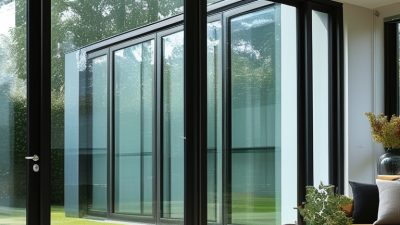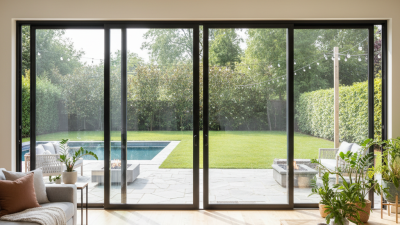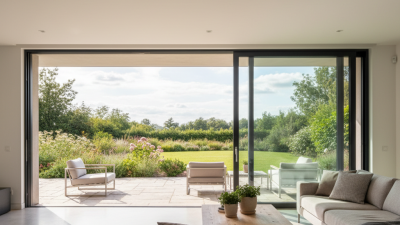
Choosing fiberglass windows is rarely a simple matter of comparing prices. Climate, building design, installation quality, and long-term maintenance all shape the final result. A coastal home may need strong resistance to salt air. A cold-climate project may prioritize thermal performance and airtight seals. In a busy city, sound reduction can matter more than a small difference in frame cost.
This guide, “Top 10 Types of Fiberglass Windows for Global Buyers,” examines practical options for different markets and project conditions. It considers fixed, casement, awning, sliding, double-hung, and specialty configurations. It also compares pultruded fiberglass, fiberglass-clad systems, and hybrid frames. Each type has strengths. Each has limits. Some product names overlap, which can confuse buyers. That is why specifications, test data, and installation details deserve close attention.
Building scientist Dr. Joseph Lstiburek famously said, “Windows are holes in walls.” The sentence sounds blunt. It is also useful. A window must control air, water, heat, and daylight without weakening the building envelope. Experienced buyers should review U-factor, solar heat gain coefficient, air leakage, water resistance, warranty terms, and local installer capability. Laboratory performance does not guarantee field performance. Small mistakes around flashing can cause expensive damage.
No ranking is perfect. Market conditions change. A premium frame may still fail when poorly installed. This overview offers a practical starting point, not a universal verdict. The best fiberglass windows are those that match the climate, wall system, budget, and real maintenance expectations of each project.
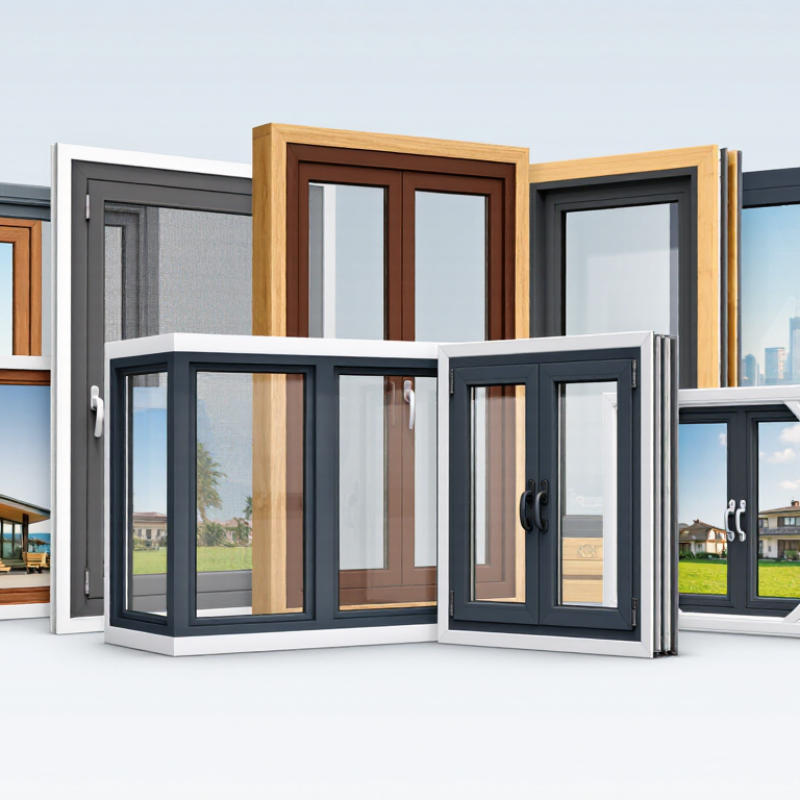
What Defines a Fiberglass Window and Its Core Advantages
A fiberglass window uses glass fibers embedded in a resin matrix. This structure creates a rigid frame with low thermal expansion. In practical terms, the frame moves less during sharp temperature changes. That matters in climates with hot summers and freezing winters. During site inspections, installers often find fewer alignment problems when the frame, glass, and wall opening remain stable. Moisture also cannot rot fiberglass, although seals and surrounding materials still require attention.
The U.S. Department of Energy reports that windows can account for 25–30% of residential heating and cooling energy use. A well-designed fiberglass window can reduce unwanted heat transfer through insulated frames and low-emissivity glazing. The National Fenestration Rating Council evaluates products through U-factor, solar heat gain coefficient, and air-leakage ratings. These figures are more useful than frame material alone. Fiberglass is strong and slim, but it is not automatically the best choice for every building. Poor installation can erase much of its performance.
Tips: Compare the whole-unit U-factor, not only the frame. Check air leakage, visible transmittance, and local wind requirements. Ask for test data from recognized laboratories. Inspect corner joints and perimeter seals carefully. A lower price may look attractive, yet repeated adjustment costs more later. I would also question very broad efficiency claims. Real performance depends on orientation, shading, glass selection, and workmanship.
Fiberglass windows are best classified by operation, geometry, and measured performance, not appearance alone. The practical top ten include fixed, single-hung, double-hung, casement, awning, sliding, hopper, bay, bow, and specialty geometric units. Fixed windows do not open. Hung windows move vertically. Casement and awning units use hinges, while sliders move horizontally. Hopper windows usually tilt inward. Bay, bow, and geometric units describe projection or shape, not merely hardware. This distinction prevents a common buying mistake: treating every decorative configuration as a separate technical class.
A second classification layer uses glazing and thermal data. Options include double or triple glazing, low-emissivity coatings, gas-filled cavities, and warm-edge spacers. The U.S. Department of Energy reports that windows can represent 25–30% of residential heating and cooling energy use. The National Fenestration Rating Council evaluates U-factor, solar heat gain coefficient, visible transmittance, and air leakage. Lower U-factor generally improves insulation, but high solar exposure may require a lower SHGC. Site orientation matters. It is not perfect. Local climate, shading, installation gaps, and frame depth can change actual results. A high laboratory rating cannot rescue poor flashing around the opening.
Tips: Match the opening type to daily use. Choose casements for directed ventilation, sliders for narrow patios, and fixed units for daylight. Request the complete performance label, not a single “energy-efficient” claim. Compare tested air leakage and installation requirements. Measure twice. Reflect before choosing triple glazing; added weight, cost, and hardware stress may outweigh benefits in mild climates.
Top 10 Types of Fiberglass Windows for Global Buyers
Top 10 Fiberglass Window Designs by Operation and Structure
Fiberglass windows combine a rigid frame with stable, low-maintenance performance. The ten main designs include fixed, single-hung, double-hung, sliding, casement, awning, hopper, tilt-and-turn, bay, and folding windows. Each design changes airflow, cleaning access, daylight, and structural loading. Fixed units provide broad glass areas but cannot ventilate. Single-hung windows open from the bottom, while double-hung sashes move independently. Sliding windows suit wide openings and require limited exterior clearance.
Casement windows use side hinges and often create strong ventilation across a room. Awning windows hinge at the top, helping shed light rain during ventilation. Hopper windows open inward from the top and work well in basements or compact rooms. Tilt-and-turn systems offer inward tilting for ventilation and full turning for cleaning. They need accurate hardware adjustment. Bay windows project outward and add seating space, but their supporting structure needs careful engineering. Folding windows create large openings, although panel weight can affect long-term operation.
Regional climate and building codes should guide selection. In coastal areas, inspect fasteners, drainage paths, and resistance to salt exposure. In cold regions, compare U-factor, air leakage, and glass spacer performance. Installation quality often matters as much as the frame material. A rigid fiberglass frame cannot correct poor flashing or an uneven opening. Some projects also overlook insect screens and emergency egress requirements. That mistake is costly. Performance data should be checked against local testing standards, not assumed from appearance alone.
Top 10 fiberglass window designs classified by operation and structural configuration. The chart shows the typical number of operable panels in each design.
Fixed and picture windows have no operable panels, while double-hung, sliding, and bay or bow configurations can include multiple moving sections. Actual configurations may vary by project, size, and local building requirements.
Top 10 Types of Fiberglass Windows for Global Buyers
Performance Factors for Different Climates and Building Uses
Fiberglass windows perform well because they resist moisture, warping, and temperature changes. For global buyers, climate and building use should guide the selection. Hot regions often need low-solar-gain glass, exterior shading, and ventilating openings. Coastal buildings require strong seals and corrosion-resistant hardware. Cold climates benefit from insulated frames, warm-edge spacers, and carefully tested air leakage. Small details matter.
The ten practical types are casement, awning, single-hung, double-hung, sliding, fixed, picture, hopper, tilt-turn, and geometric units. Casement and awning windows suit windy areas because their seals tighten under pressure. Sliding windows work well in apartments and narrow corridors, but their tracks need frequent cleaning. Fixed and picture windows provide daylight with minimal air leakage. Hopper windows support basement ventilation. Tilt-turn designs offer controlled airflow and easier cleaning in taller buildings. Geometric units can create dramatic façades, though unusual shapes may increase replacement costs.
Building use changes the decision. Bedrooms may need quiet glass and secure ventilation. Offices often prioritize daylight, glare control, and low maintenance. Bathrooms need privacy glass and reliable moisture management. I have seen attractive specifications fail when installers ignore drainage or local wall movement. Laboratory ratings help, but they cannot replace site measurements and qualified installation. Budget limits also deserve honesty; the most advanced window is not always the most suitable one.
Global buyers rarely compare fiberglass windows by appearance alone.
Each changes ventilation, cleaning access, drainage, and installation risk. In coastal housing, I examine wind-load data before discussing frame color. In cold regions, I prioritize whole-window U-value, not frame claims.
A reliable specification states opening size, glazing layers, spacer material, gas fill, hardware, screens, and sill details.
It also records air leakage, water penetration, condensation resistance, and structural ratings. These figures must match the destination country’s test methods. A European buyer may request Uw, while a North American project may use U-factor and SHGC. They are not interchangeable without care.
Ask for accredited laboratory reports, installation instructions, warranty limits, and replacement-part availability.
Small omissions become expensive at the jobsite.
I compare casements for tight sealing and sliders for simple operation, but neither wins everywhere. Tilt-turn units can improve ventilation, yet their hardware needs precise adjustment.
Bay and bow systems create useful interior depth, although their support design deserves close review. Fiberglass resists rot and expands less than some materials, but it is not maintenance-free.
Sealants fail. Hardware can corrode. My own specifications have sometimes overvalued thermal data and undervalued local installers. That is a practical weakness worth correcting.
The best request is measurable, region-specific, and realistic about service after delivery.