Top 10 Exterior Front Door Styles for Every Home

Choosing an exterior front door is not merely a decorating decision. It affects curb appeal, security, daylight, insulation, and the first impression of your home.

Residential architect Sarah Susanka once said, “The front door is the handshake of the house.” That image feels accurate. A weathered wood door can make a porch feel warm and established. A steel door with narrow glass panels can create a sharper, more contemporary presence. Fiberglass may imitate timber convincingly, yet it often demands less maintenance in wet or sunny climates.

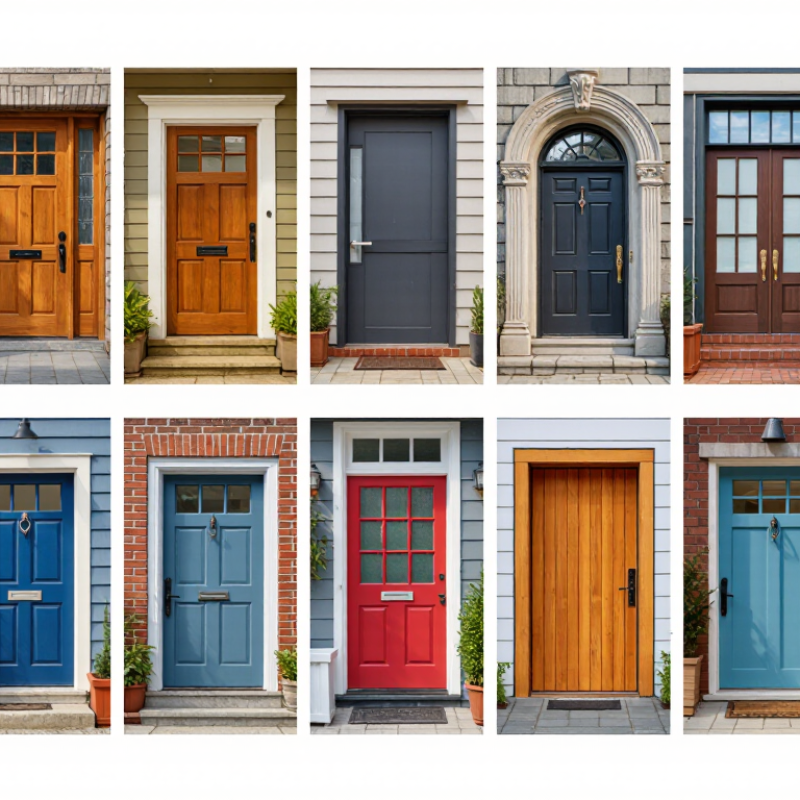
This guide explores ten exterior front door styles for different homes and practical needs. You will see classic raised-panel designs, Craftsman doors with divided glass, farmhouse entries, modern flush doors, arched frames, double doors, and colorful cottage options. Each style changes how the entrance feels from the street.

Details matter.

Look closely at the threshold, hinges, weather seals, glazing, and frame depth. A beautiful door can still perform poorly if water reaches the sill or sunlight fades its finish. Local weather should influence the material more than passing trends. Coastal homes may need corrosion-resistant hardware. Cold regions often benefit from insulated cores and tight weatherstripping.

There is no universal winner. A dark door may look elegant in a photograph but absorb intense heat in direct sun. A large glass panel can brighten a hallway, though privacy may suffer. Even experienced homeowners sometimes overlook these trade-offs. Use the following styles as informed starting points, not strict rules. The best exterior front door balances character, durability, comfort, and the daily realities of your home.
Top 10 Exterior Front Door Styles for Every Home

What Defines an Exterior Front Door Style

An exterior front door style is more than a shape or paint color. It combines the door’s proportions, materials, glazing, hardware, and relationship to the home’s architecture. A broad pane of glass, for example, can brighten a dim entry, while solid panels offer a more private, traditional appearance. Neither choice works equally well for every house.

Look closely at the whole entrance. A narrow door with heavy trim may feel crowded, while a simple slab can seem out of place beside detailed brickwork. Wood brings visible grain and warmth, but its finish may need regular care in exposed weather.

Fiberglass and steel can offer different maintenance and security advantages, depending on construction and installation. Small details matter. Handle scale, hinge color, and the direction of natural light can change how the entry feels.

Style should also work with daily routines. A covered porch may protect a painted surface; a wind-exposed doorway may need a durable finish and a well-fitted frame. Measure carefully, and consider sightlines from both inside and outside. I once underestimated how much a dark finish would recede beneath a shaded porch. It looked elegant in a sample, but less welcoming at the actual entrance. There is no perfect formula. The best style feels coherent, functions reliably, and suits the home rather than chasing a trend.
Ten Popular Front Door Styles and Their Distinctive Features

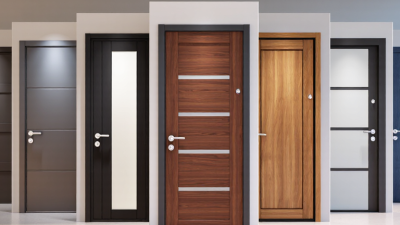
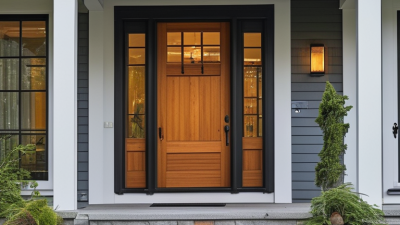
Exterior front doors shape a home’s first impression, but their style also affects light, privacy, and upkeep. A classic paneled door suits many façades, with raised rectangles adding depth. A flush door offers a cleaner look and fewer grooves to collect dust. Craftsman doors often feature sturdy rails and small divided glass panes; those panes brighten an entry without exposing the whole hallway. A Dutch door splits horizontally, letting fresh air in while the lower half stays closed. Charming, though not ideal for every household.

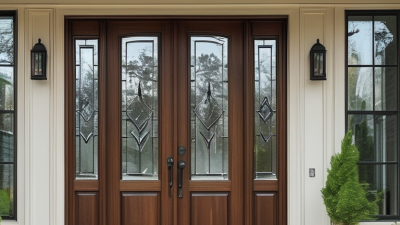
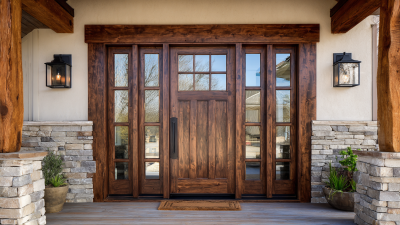
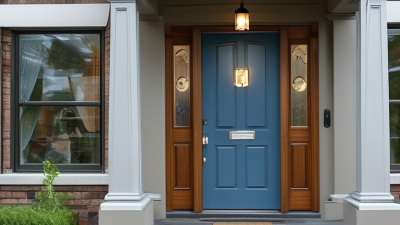
For a softer, more traditional feel, a French door uses large glass panels, often in pairs. It brings daylight inside, but may need curtains for privacy. Sidelight doors add narrow glass panels beside the main door, making a dark foyer feel more open. A pivot door turns on floor and ceiling hardware, creating a dramatic, wide entrance; precise installation matters, and repairs can be less simple. Arched doors soften angular architecture, though custom shapes may raise costs. There’s a trade-off.

Modern homes may suit a minimalist door with smooth surfaces and restrained hardware. A barn-style sliding door can make a distinctive exterior statement, but it needs clear wall space to operate. Whatever the look, check the frame, weather seals, and local climate before choosing materials. A beautiful door that swells after a wet season is still a frustration. Light, privacy, and daily use deserve equal attention.

Top 10 Exterior Front Door Styles for Every Home - Ten Popular Front Door Styles and Their Distinctive Features
Front Door Style Distinctive Features Common Materials Natural Light Privacy Level Best Architectural Fit Maintenance
Traditional Panel Door Raised or recessed rectangular panels, symmetrical proportions, and a timeless appearance that works with many exterior finishes. Wood, fiberglass, or insulated steel Low to medium High Colonial, traditional, and transitional homes Low to medium
Craftsman Door Strong horizontal lines, a broad bottom rail, simple rectangular glass, and details inspired by handcrafted architecture. Wood or fiberglass Medium Medium to high Craftsman, bungalow, and cottage homes Medium
Modern Flush Door Flat, unornamented surface with clean edges and minimal hardware for a streamlined contemporary entrance. Fiberglass, steel, aluminum, or veneered wood Low unless glazed High Modern, minimalist, and mid-century homes Low
Farmhouse Door Wide vertical boards, crossbuck or plank-inspired detailing, and a welcoming design with strong rustic character. Wood, fiberglass, or composite materials Low to medium High Farmhouse, country, and rustic homes Medium
Arched-Top Door Curved upper edge creates a distinctive focal point and adds visual height to the entryway. Wood, fiberglass, or steel Medium, depending on glazing Medium to high Mediterranean, Spanish, Tudor, and traditional homes Medium
Double Front Door Two coordinated door leaves provide a wider opening and a grander entrance, often with matching panels or glazing. Wood, fiberglass, steel, or composite materials Medium to high Medium to high Large traditional, estate, and formal homes Medium
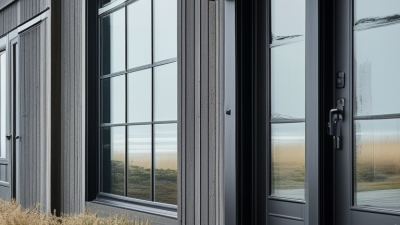
Full-View Glass Door Large glass area maximizes daylight and creates a strong visual connection between the entry and exterior space. Insulated glass with wood, fiberglass, aluminum, or steel framing Very high Low unless shaded or screened Contemporary, coastal, and light-filled homes Medium
Dutch Door Horizontally divided design allows the upper and lower sections to open independently for ventilation and interaction. Wood, fiberglass, or composite materials Medium Medium to high when closed Country, cottage, farmhouse, and coastal homes Medium to high
Pivot Door Oversized slab rotates on hardware positioned away from the traditional side hinges, creating a dramatic entry statement. Wood, metal, fiberglass, or combinations of materials Low to high Medium to high Modern, contemporary, and luxury-style homes Low to medium
Decorative Glass Door Textured, frosted, stained, or patterned glass adds visual interest while allowing daylight into the foyer. Wood, fiberglass, steel, and decorative glass Medium to high Medium to high Traditional, transitional, Victorian, and eclectic homes Low to medium

Common Materials, Finishes, and Decorative Details

Top 10 Exterior Front Door Styles for Every Home

A front door’s material controls more than appearance. Solid wood suits traditional, Craftsman, arched, and double-door designs, but it needs regular sealing in wet climates. Fiberglass can imitate oak grain while resisting dents, moisture, and temperature changes. Steel offers strong security and a clean surface for modern slab doors, although scratches may expose rust. Glass panels brighten narrow entries, but laminated or insulated glass is a safer, more efficient choice.

Finishes shape the door’s character. A clear coat highlights natural wood, while satin paint softens bold colors without looking overly glossy. Dark finishes can absorb heat, especially on sun-facing elevations. Test a sample outdoors before choosing. Small details matter too: elongated handles suit contemporary doors, while textured pulls complement farmhouse or Craftsman styles. Raised panels, narrow muntins, sidelights, and a transom can add proportion without overwhelming the façade.

Weatherstripping should compress evenly around the frame, and the threshold must shed water away from the interior. These details are often ignored during visual renovations. A beautiful Dutch door may need stronger hardware and careful alignment. Decorative ironwork can feel authentic, but excessive ornament may date the entrance quickly. I would also reconsider matching every finish; a controlled contrast between the door, trim, and hardware often looks more deliberate. Still, personal taste is not a measurement, and a slightly imperfect handmade detail can make the entry feel less ordinary.

How Door Styles Complement Different Home Architectures

Top 10 Exterior Front Door Styles for Every Home

How Door Styles Complement Different Home Architectures

A front door should speak the same visual language as the house. Its proportions, panels, glass, and finish can either support or disturb the architecture. Raised-panel doors suit Colonial and traditional homes, especially when paired with symmetrical windows and brick steps. Craftsman homes often benefit from wide doors, square glazing, and visible wood grain. Farmhouse architecture welcomes plank, Dutch, or weathered-looking doors with simple black hardware. Keep the details honest.

Modern homes usually need clean slab doors, narrow vertical glass, or flush metal designs. Mid-century houses work well with bold colors, long glass panels, and natural timber. Mediterranean and Spanish-style homes can handle arched doors, carved surfaces, and heavy iron accents. Victorian houses often suit decorative glass and layered trim, while cottage homes feel warmer with half-glass or softly painted doors.

The remaining styles deserve careful matching. A contemporary paneled door can sharpen a transitional home without making it feel cold. A pivot door may suit a large, minimalist entry, but it can overwhelm a modest façade. Double doors create ceremony for expansive traditional homes, yet they waste visual balance on narrow porches. I once favored a dramatic door for a small entry and regretted it; the doorway looked crowded. Measure the wall, porch depth, and surrounding trim before choosing. Even the best style fails when its scale feels forced.

Key Factors for Choosing a Front Door Style

Choosing a front door starts with the house, not a trend.

Match its proportions to the façade: a narrow entrance may suit a single door with vertical glass, while a wide porch can carry double doors. Measure the opening, including trim, and check the swing against steps, walls, and nearby furniture. Measure twice. A beautiful door that blocks a walkway is still the wrong door.

Climate and upkeep matter just as much as appearance.

Insulated fiberglass and steel doors can limit heat transfer; wood offers warmth but may need more frequent refinishing in wet or sunny locations. Check the door’s energy-performance label, and consider how much glass you want. A clear panel brightens a dim hall, but sidelights or textured glass can protect privacy.

Light changes everything. I’d avoid choosing a finish from a small sample alone; daylight can make it look quite different.

Budget should include installation, hardware, finishing, and any frame repairs.

The 2024 Cost vs. Value Report by Zonda estimated a national average cost of $2,355 for a steel entry-door replacement and a resale value of $4,430, or 188.1% cost recouped. That figure describes one project category, not a guarantee for every home or style. Still, it suggests that a well-fitted, appealing entry can matter to buyers. Check local conditions and the existing frame before deciding.