
What Are Sliding Glass Doors and How Do They Work?

Sliding glass doors are more than large panes of moving glass. They are carefully engineered systems that combine panels, rollers, tracks, frames, seals, and locking hardware. Their main purpose is simple: connect indoor rooms with patios, balconies, gardens, or outdoor living areas while allowing natural light to enter.

The operating principle is straightforward. One glass panel usually remains fixed. Another panel moves horizontally along rollers inside a lower track. When the handle is pulled, the rollers carry the panel sideways instead of swinging it outward. This saves floor space and creates a wide opening. It sounds effortless. It is not always effortless.

Installation quality strongly affects performance. A level sill helps the rollers move smoothly. Clean tracks reduce resistance and noise. Weather seals limit drafts and rain, although no seal remains perfect forever. Building-science expert Joseph Lstiburek has said, “Water is the most destructive force in a building.” That warning matters here. Poor drainage, blocked weep holes, or incorrect flashing can allow water to reach the wall structure.

This guide explains what sliding glass doors are, how their parts work, and why maintenance matters. It also examines energy efficiency, security, glass types, and common installation problems. Some doors glide beautifully for decades. Others become stiff, noisy, or leaky within a few years. The difference often comes from details that are easy to overlook, including threshold design and local weather exposure. Understanding those details helps homeowners make safer, more practical decisions.
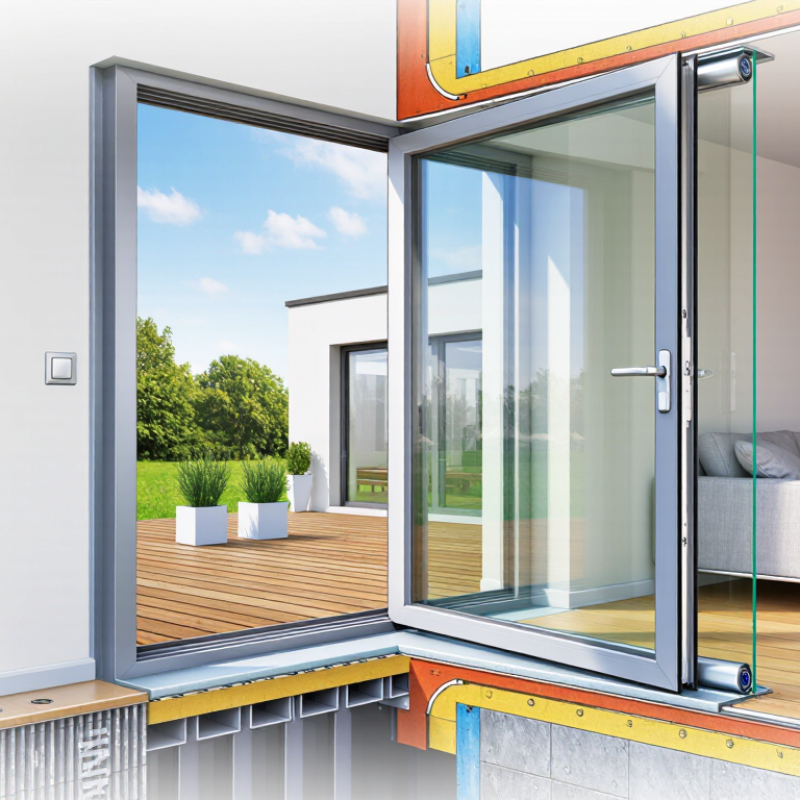
What Are Sliding Glass Doors and How Do They Work?

What Sliding Glass Doors Are and Where They Are Used

Sliding glass doors are wide glazed panels that open by moving horizontally along a track. One panel usually stays fixed, while the other slides behind or beside it. Small rollers under the moving panel carry its weight and guide the movement. A handle and latch control daily access. Simple mechanism.

These doors are used where people want daylight, outdoor views, and a broad opening without a swinging door. In homes, they connect living rooms with patios, balconies, gardens, or pool areas. They can also separate kitchens from dining spaces while keeping the room visually open. Offices use them for meeting rooms and quiet work areas. Restaurants may install them between indoor seating and covered terraces.

Their performance depends heavily on accurate installation. The floor must be level, and the frame needs firm support. Otherwise, the panel may drag, rattle, or fail to close tightly. Weather seals help reduce drafts and moisture, but they are not a complete solution for every climate. Regular cleaning keeps dust from damaging the rollers. A practical inspection should check the track, locks, glass, and seals. The concept is convenient, but it is not flawless. Poor measurements can turn a bright entrance into a daily frustration.

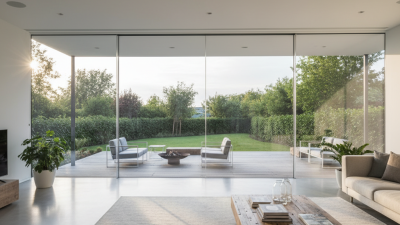
What Are Sliding Glass Doors and Where Are They Used?

Sliding glass doors use large glass panels that move horizontally along tracks instead of swinging open. The chart shows representative nominal opening widths commonly specified for different applications; actual sizes vary by building design and local requirements.

Sliding glass doors are frequently used for patios, balconies, interior partitions, wide residential openings, and commercial entrances because they provide natural light, visual connection, and space-efficient operation.

The Main Parts That Make Up a Sliding Glass Door

What Are Sliding Glass Doors and How Do They Work?

The Main Parts That Make Up a Sliding Glass Door

A sliding glass door uses panels that move horizontally along a track. One panel usually stays fixed, while another rolls beside it. The frame supports the glass and keeps the opening square. Aluminum, vinyl, or timber frames are common, but each material reacts differently to heat and moisture.

The rollers carry the moving panel’s weight. They sit beneath the panel and turn inside the lower track. If they become worn, the door may scrape, shake, or require extra force.

The track guides movement and collects dirt, leaves, and small stones. Regular cleaning matters. Even a tiny obstruction can affect alignment.

Seals fit around the frame and meeting edges. They reduce drafts, rain entry, and outside noise. The handle connects with a latch, while a lock secures the panel against the frame or another panel. Some doors also include a safety interlock or extra securing pin. Glass thickness and safety treatment affect strength, heat control, and impact resistance.

It is easy to blame the rollers first. Sometimes the frame has shifted instead.

A level check can reveal this. Poor installation may leave uneven gaps, even when every component is new. That detail is often missed.

When inspecting a door, look for smooth movement, consistent seals, stable glass, and a track without sharp damage. Preventive adjustment usually costs less than replacing several connected parts.

How Sliding Glass Doors Open, Close, and Move

Sliding glass doors are wide panels that move sideways along a track. Unlike hinged doors, they need no swinging space indoors or outdoors. In a typical system, one panel remains fixed while another slides beside it. Some designs use two moving panels. The opening can feel almost wall-sized. Almost.

When you pull the handle, the panel’s rollers carry most of its weight. These small wheels sit inside adjustable assemblies beneath the frame. The rollers follow a metal or composite track, keeping the panel moving in a straight line. A gentle push is usually enough, but forcing the door can damage alignment or hardware. That detail is easy to underestimate. As the panel reaches the closed position, meeting stiles overlap or interlock. Brush seals and flexible gaskets help reduce drafts, dust, and rain. They do not create a perfect weather seal.

To close the door, the moving panel glides back until its edge meets the frame. A latch then engages with a receiver, holding the panel securely. Proper adjustment matters. A dragging door may have dirty tracks, worn rollers, or a shifted frame. Cleaning the track with a soft brush often helps. Abrasive tools can scratch its surface. I have found that many sticking doors are blamed on the lock too quickly. Often, the rollers need attention first. Not always.

What Are Sliding Glass Doors and How Do They Work? — How Sliding Glass Doors Open, Close, and Move

Component or Feature What It Is How It Works Typical Characteristics
Glass Door Panel A large glazed panel set inside a frame. The panel moves horizontally instead of swinging into the room. Usually made with tempered safety glass; insulated versions use two panes separated by a sealed air or gas space.
Fixed Panel A stationary glass section within the door assembly. It remains in place while the operating panel slides alongside it or behind it. Provides daylight and views but does not create an opening.
Top Track The upper guide channel in the frame. Keeps the panel aligned and limits side-to-side movement during operation. Often works together with rollers or guides positioned near the bottom of the panel.
Bottom Track A horizontal channel that supports and guides the moving panel. The rollers travel along its surface or inside its channel as the door opens and closes. Must remain clean and properly aligned for smooth movement and drainage.
Rollers Small wheels mounted beneath the operating panel. They convert a pushing or pulling force into rolling motion along the track. Adjustable rollers can help correct height, alignment, and contact with the frame.
Handle and Lock Hardware used to operate and secure the door. The handle provides leverage for sliding; the lock engages with the receiving stile or frame. Common locking actions include a latch, hook-style bolt, or multi-point mechanism.
Weatherstripping Flexible seals installed around moving and fixed sections. The seals compress or overlap when the door is closed, reducing air and water leakage. Effectiveness depends on seal condition, panel alignment, and correct installation.
Operation Direction The path followed by the moving panel. The panel travels parallel to the wall, normally from one side of the frame to the other. Unlike hinged doors, sliding doors require little or no swing clearance in front of the opening.
Opening Width The clear passage available when the operating panel is fully open. The usable opening is generally limited by the panel arrangement and the width of the fixed section. A common two-panel configuration provides an opening of approximately half the overall frame width, subject to frame design and overlap.
Motion Sequence The series of actions involved in opening or closing. The user unlocks the panel, applies a horizontal force, and the rollers guide the panel along the track. Smooth movement requires clean tracks, functional rollers, and a level frame.
Drainage System Channels and weep openings built into the lower frame. Collected moisture is directed toward the exterior instead of remaining inside the track. Blocked drainage openings can contribute to water accumulation and leakage.
Energy Performance The door’s ability to limit heat transfer and air leakage. Glass type, frame material, edge seals, and installation quality influence indoor comfort. Double glazing and low-emissivity coatings generally provide better insulation than basic single glazing.
Routine Maintenance Regular care that preserves operation and sealing. Cleaning the tracks, checking fasteners, inspecting seals, and adjusting or replacing worn rollers help maintain performance. Avoid forcing a panel that is difficult to move; resistance may indicate debris, misalignment, or damaged hardware.

Common Types of Sliding Glass Door Systems

What Are Sliding Glass Doors and How Do They Work?

Common Types of Sliding Glass Door Systems

Sliding glass doors move horizontally on rollers fixed inside a track. One panel usually stays stationary, while another glides beside it. The rollers carry the panel’s weight, and weather seals reduce drafts, water, and outdoor noise. A clean track matters more than many homeowners expect. Small stones can quickly make movement rough.

The most common system is the two-panel slider. It suits patios, balconies, and compact rooms. Three-panel and four-panel systems create wider openings, but they require stronger framing and more precise alignment. Telescoping systems stack several panels behind one another. They provide a broad opening without needing a large swing area. Lift-and-slide doors first rise slightly, then move along recessed rollers. This design supports heavier glass and improved sealing. Pocket systems disappear into a wall cavity, although repairs can become difficult later.

Corner sliding systems open two adjoining walls and create a dramatic indoor-outdoor connection. They demand careful structural engineering and accurate drainage details. According to the U.S. Department of Energy, windows can represent 25–30% of residential heating and cooling energy use. Sliding glass doors form part of that building envelope, so low-emissivity glass, insulated frames, and correct installation are important. NFRC rating data can help compare U-factor and solar heat gain. Still, ratings do not replace site judgment. A poorly drained track may fail, even with high-performing glass. That practical detail is easy to overlook.

Benefits, Limitations, and Basic Maintenance Needs

Sliding glass doors use large panels that move horizontally along a track. One panel usually slides behind another, saving the floor space needed by a swinging door. In daily use, they can bring daylight, fresh air, and a clearer connection to patios or balconies. Their wide glass area can also make smaller rooms feel less enclosed. A properly installed door should glide with light hand pressure, not force. That is the practical test.

The same glass surface can reduce privacy and increase heat near strong sunlight. Curtains, blinds, or low-emissivity glass may help, but each adds cost. Sliding panels also open only part of the doorway. This can restrict furniture movement and emergency access planning. Tracks collect grit, hair, and moisture, causing noisy movement or sticking. Security depends on sound locks, intact frames, and correctly fitted panels. I would not treat a simple latch as enough protection.

Basic maintenance is manageable. Vacuum the track, then wipe it with a damp cloth every few weeks. Inspect rollers and drainage openings after heavy rain. Clean glass with a non-abrasive solution and a soft cloth. Avoid forcing a stiff panel; it may hide a worn roller or bent track. Lubricant is not always the answer, because oily products can trap dust. A technician should assess cracked glass, loose hardware, or repeated water leaks. Small faults become expensive surprisingly quickly. Cleaning schedules are easy to postpone, especially in busy homes. That is where many avoidable problems begin.