Choosing the right sliding patio doors is not simply a matter of matching frame colors to your walls. The door must suit your climate, opening size, daily habits, security expectations, and available budget. A beautiful glass panel can still disappoint if it sticks, leaks air, or feels weak under regular use.
Jim Benney, a fenestration-industry expert and former FGIA chief executive, has emphasized, “A door must be selected for the climate and the application, not just its appearance.” That principle deserves attention. A coastal home may need corrosion-resistant hardware, while a cold region may require stronger insulation and low-emissivity glass. Measure carefully, too. A few uneven millimeters can affect smooth operation and installation quality.
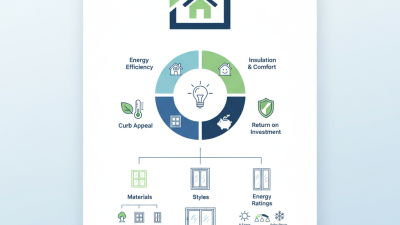
The seven tips in this guide examine frame materials, glass performance, energy efficiency, security features, track design, maintenance, and professional installation. Look closely at the threshold. Notice how the rollers move. Check whether the handle feels solid, not decorative.
Some choices remain personal. You may prefer a wider opening, even when it reduces wall space for furniture. That trade-off is easy to overlook. I have also seen homeowners focus on price, then regret choosing fragile rollers or difficult-to-replace hardware. The cheapest option is not always economical.
Reliable sliding patio doors should make movement feel effortless and provide clear outdoor views without creating drafts, noise, or unnecessary maintenance. This guide will help you compare practical details before committing to a door that may serve your home for many years.
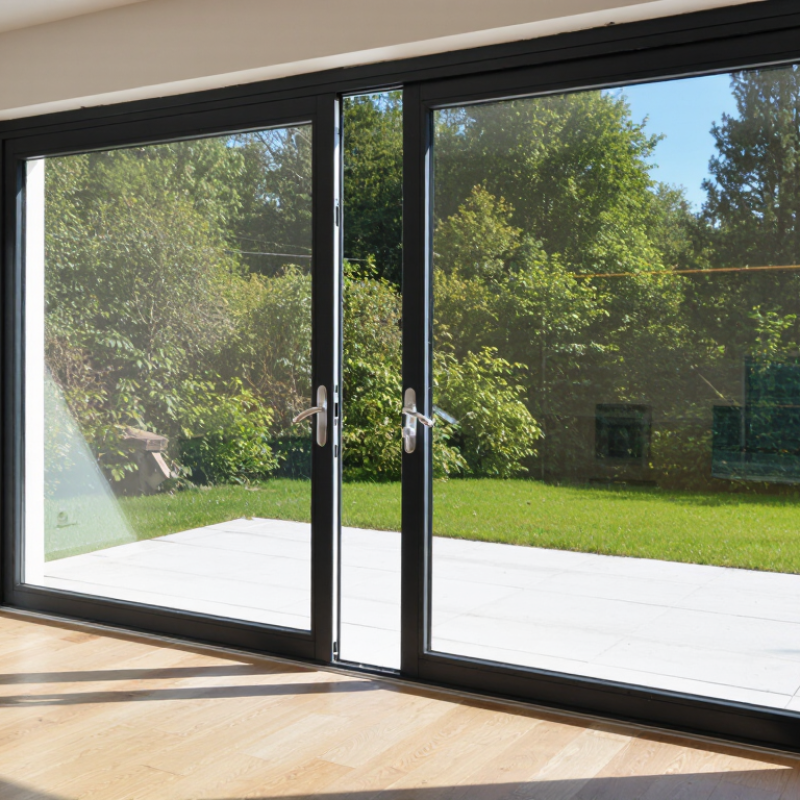
Choosing a sliding patio door starts with defining the space around it. Measure the finished opening at the top, middle, and bottom. Measure twice. Walls and floors are rarely perfectly square. A small error can create drafts, sticking panels, or visible gaps after installation. Record the opening width, height, depth, and nearby obstructions. Check whether furniture, curtains, outlets, or exterior steps will limit movement. That matters.
Next, decide how the door should operate in daily use. A two-panel design may suit a compact room, while a larger opening could need three or four panels. Consider which side should remain fixed and which side should slide. Your preferred direction may depend on traffic patterns, views, and furniture placement. Think about the opening itself, too. A replacement door may fit an existing frame, but a new opening could require structural review by a qualified professional. I have seen attractive layouts become inconvenient because the handle landed behind a sofa. Small details matter.
Climate and maintenance also influence the configuration. Exposed locations may need stronger weather seals, proper drainage, and suitable glass performance. Ask how the track will be cleaned and repaired. Test sample hardware if possible. A smooth showroom panel does not always reflect a real, uneven floor. Measure twice. Then question the plan once more.
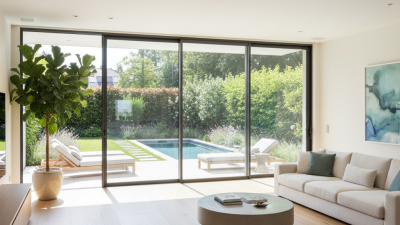
7 Tips for Choosing the Best Sliding Patio Doors
Choosing a sliding patio door starts with the frame, not the handle. Tip one: compare vinyl, aluminum, and wood carefully. Vinyl resists moisture and usually needs little maintenance. Aluminum offers slim sightlines, but it can transfer heat without thermal breaks. Wood feels warm and traditional, yet it demands regular sealing. Frames matter more than they seem. Tip two: inspect the track and rollers. A smooth, level track prevents difficult opening and premature wear. Measure twice.
Tip three: compare glass construction. Double-pane glass is suitable for many homes, while triple-pane glass improves insulation in colder regions. Low-emissivity coatings can reduce heat transfer and protect furniture from ultraviolet exposure. Tip four: check the spacer between panes. A warm-edge spacer can reduce condensation around the glass perimeter. Do not choose the darkest glass automatically. It may reduce daylight more than expected.
Tip five: review the U-factor. Lower values generally indicate better insulation. Tip six: check the solar heat gain coefficient, or SHGC. A lower rating can help in hot climates, while moderate solar gain may benefit colder rooms. Tip seven: examine air-leakage ratings and installation requirements. Even excellent glass performs poorly around a loose frame. A common mistake is focusing on energy labels while ignoring flashing and drainage. That detail deserves more attention. Certified performance data helps, but local climate, wall exposure, and daily use should guide the final comparison.
| Tip | What to Compare | Recommended Choice | Typical Performance or Specification | Best Use |
|---|---|---|---|---|
| 1. Select the right frame material | Vinyl, aluminum, fiberglass, or wood-clad frames | Choose thermally improved vinyl or fiberglass for a balance of insulation, maintenance, and cost. Consider aluminum only when a slim profile and high structural strength are priorities. | Vinyl and fiberglass generally reduce thermal bridging better than non-thermally broken aluminum. Thermally broken aluminum performs better than standard aluminum. | Vinyl: low maintenance and value Fiberglass: dimensional stability Aluminum: large openings and modern designs Wood-clad: traditional appearance |
| 2. Compare the glass package | Number of panes, low-emissivity coating, gas fill, and spacer design | Use double-pane low-E insulating glass for most homes. Consider triple-pane glass in very cold climates when the frame and installation can support its added weight. | Insulating glass commonly uses two or three panes separated by sealed air spaces. Argon is commonly used in double-pane units; krypton can be used in narrower gaps. | Cold climates, high-wind locations, and rooms with significant heating or cooling loads |
| 3. Check U-factor and SHGC | U-factor for heat transfer and solar heat gain coefficient for sunlight-related heat gain | Look for a lower U-factor in heating-dominated regions. Select SHGC according to orientation, climate, shading, and cooling needs rather than choosing the lowest value automatically. | U-factor is measured in Btu/(h·ft²·°F); lower values indicate better insulation. SHGC ranges from 0 to 1; lower values admit less solar heat. | Heating regions: prioritize low U-factor Hot, sunny regions: often benefit from lower SHGC Passive-solar exposure: may need a moderate SHGC |
| 4. Verify air leakage and weather resistance | Air leakage, water resistance, drainage paths, interlocking meeting rails, and weatherstripping | Choose a door with tested air-leakage and water-resistance results, continuous weatherstripping, adjustable rollers, and a properly designed sill drainage system. | Lower air-leakage values indicate a tighter door. Test results should be reviewed together with the installation details because poor installation can reduce real-world performance. | Windy, rainy, coastal, or exposed locations |
| 5. Match the door to local safety requirements | Tempered safety glass, impact resistance, wind-load rating, and egress limitations | Use safety glazing where required by local code. In hurricane-prone areas, specify a tested impact-rated assembly when required by the building authority. | Tempered glass breaks into smaller granules rather than large sharp shards. Impact-rated products require testing as complete assemblies, not just stronger glass. | Homes with children, pets, severe weather exposure, or large glass areas |
| 6. Evaluate operation and accessibility | Panel weight, roller quality, track design, threshold height, handle position, and locking points | Select corrosion-resistant rollers, a rigid track, an easy-grip handle, and a low-profile threshold where accessibility is important. Ensure the moving panel glides without lifting or sticking. | Larger or heavier glass panels place greater loads on rollers and tracks. Smooth operation depends on both hardware quality and a level, square installation. | Frequent use, older occupants, wheelchair access, and wide openings |
| 7. Confirm size, installation, and total cost | Rough-opening measurements, replacement method, flashing, sill pan, labor, warranty, and maintenance | Have the opening measured before ordering and use a qualified installer familiar with water-management details. Compare installed cost rather than product price alone. | A properly flashed and sealed opening helps limit water intrusion. Replacement projects may require interior trim, exterior cladding, structural adjustments, and disposal costs. | Remodeling projects, custom sizes, older openings, and energy-efficiency upgrades |
Note: Performance values and code requirements vary by climate zone, local regulations, door size, glass area, and installation method. Compare independently tested whole-door ratings whenever available.
Choosing a sliding patio door requires more than attractive glass. Weather performance starts with the NFRC label. Check U-factor, SHGC, and visible air-leakage data. The U.S. Department of Energy reports that windows can account for 25–30% of residential heating and cooling energy use. Ask for tested resistance to air, water, and structural pressure under the NAFS standard. Weather resistance is measurable, not a showroom impression.
Make seven checks before ordering. Compare thermal ratings. Request air and water test results. Inspect glazing and forced-entry performance. Choose a strong keeper, anti-lift protection, and a lock that fully engages. A secondary security bar can help, but it must not block emergency escape. Fixed panels should be anchored, not merely pressed into a track. The FBI estimated 847,522 burglaries in the United States during 2023. That figure is not patio-door specific, but it supports taking access points seriously.
Everyday usability is where many doors disappoint. Slide the sample with one hand. Listen for scraping. Inspect roller adjustment, drainage holes, weather seals, and threshold height. A low threshold feels convenient, yet poor drainage can invite leaks. Professional installation matters; even a well-tested door can fail after careless flashing. A common mistake is judging operation on a sunny afternoon only. Test it after cleaning, locking, and repeated movement. No test is perfect.
A sliding patio door should feel controlled, not loose or noisy.
Test the rollers with one hand. The panel should move smoothly, stop firmly, and remain aligned when released. Inspect stainless-steel or corrosion-resistant hardware, especially near coastal air or wet gardens.
According to the U.S. Department of Energy, windows can account for 25–30% of residential heating and cooling energy use.
Poor seals and damaged rollers may increase drafts, rattling, and energy waste. Hardware quality affects comfort more than many homeowners expect.
Maintenance needs deserve equal attention.
Ask whether the track can be cleaned without removing the panel. Check if rollers, locks, weatherstripping, and handles are replaceable. A beautiful door becomes frustrating when one small part requires a full replacement.
I have seen homeowners overlook this detail. It is an expensive lesson.
Accessibility also requires practical testing. The threshold should be low enough to reduce tripping, while the handle should be reachable without twisting the wrist.
The AARP Home and Community Preferences Survey reported that 77% of adults aged 50 and older want to remain in their current homes.
That preference makes easy operation a long-term design issue, not a luxury. Remember that accessibility needs vary. A door that feels light today may feel difficult after an injury or reduced mobility. Test it with different users before choosing.
Measure the opening twice, then record width, height, wall thickness, and floor level. A small measuring error can create expensive framing work. Set a complete budget for the door, removal, flashing, trim, labor, disposal, and possible threshold repairs. Keep a contingency fund of 10% to 15%. It is rarely wasted.
Compare frame materials, glass packages, drainage details, and warranty terms. The U.S. Department of Energy estimates that windows can cause 25% to 30% of residential heating and cooling energy loss. Sliding patio doors contain large glass areas, so low-emissivity glazing and correctly selected U-factor and solar heat gain ratings matter. ENERGY STAR product criteria use these measurements to evaluate efficiency across climate zones. Ask for the actual performance label, not only a sales description. Better glass may cost more, but uncomfortable rooms and higher cooling bills also have a price.
Plan installation around weather, furniture access, and floor protection. Confirm how the installer will manage flashing, sill drainage, air sealing, and exterior water runoff. The 2024 Cost vs. Value report from Remodeling Magazine shows that replacement projects can recover a substantial share of their cost, but resale value is not guaranteed. Choose hardware that feels smooth today, then inspect rollers and locks during seasonal maintenance. A beautiful door installed over a damp or uneven sill is still a weak investment. Local building requirements and professional inspection deserve attention, even when the project seems simple.
Use these typical U.S. residential planning benchmarks to compare door materials before requesting quotes. Installed costs vary by size, glass package, labor rates, structural changes, and local permitting requirements. Confirm energy performance, warranty coverage, weather sealing, hardware quality, and installation details with qualified contractors.