2026 Best Entry Doors for Global Buyers to Consider?
In the world of home design, entry doors serve as a vital element. They create the first impression of your home. Choosing the right entry doors can enhance curb appeal and improve security. Global buyers have varied preferences, influenced by style, material, and climate.
Many options exist for entry doors in 2026. From classic wooden designs to modern fiberglass, the choices are vast. Each style holds unique benefits. This year, energy efficiency is a key consideration as well. An efficient entry door can lower energy bills and increase comfort.
While considering new doors, reflect on functionality and aesthetics. The right choice should align with your home’s design. However, remember that trends can change rapidly. An entry door should not only fit your current needs but also adapt over time. Examine not just the visual impact but also the durability. Entry doors are an investment that can affect your home's value.
Top Materials for Entry Doors: A Global Perspective
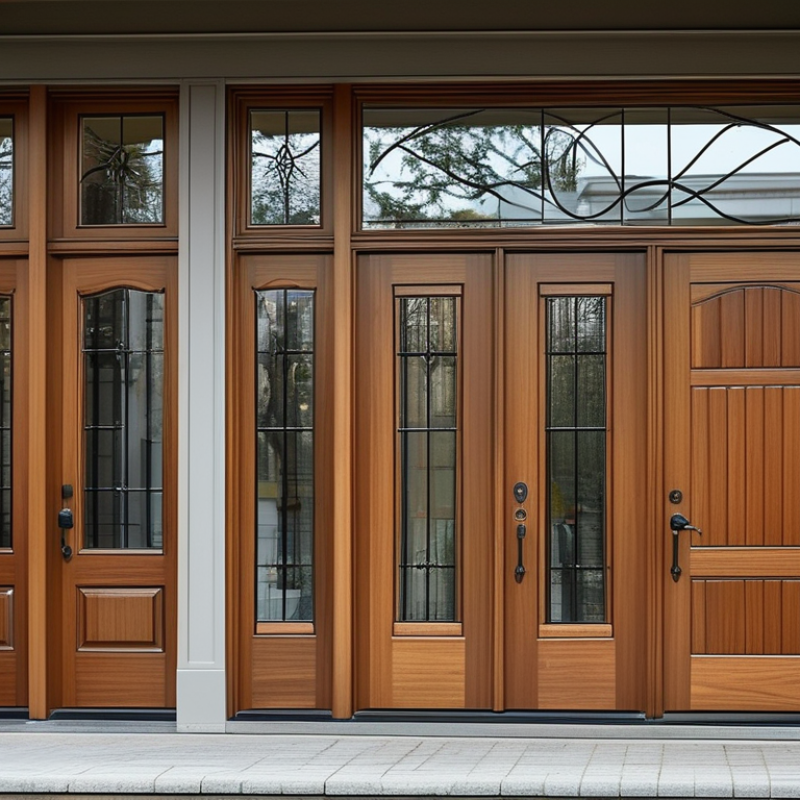
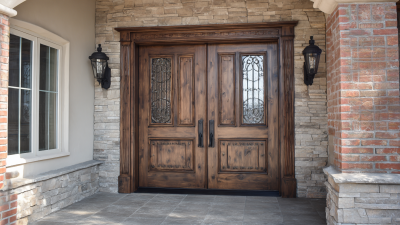
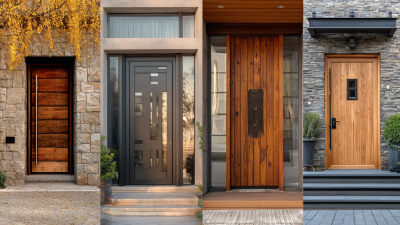
When choosing entry doors, materials play a crucial role. Global buyers have various options, each with unique attributes. Wood doors offer natural beauty and warmth. They can be customized for any architectural style. However, they may require more maintenance to prevent warping or rotting.
Steel doors provide excellent security and durability. They resist dents and harsh weather conditions. These doors are often more affordable than wood but may lack the same aesthetic appeal. Consider factors like insulation and energy efficiency when making a choice.
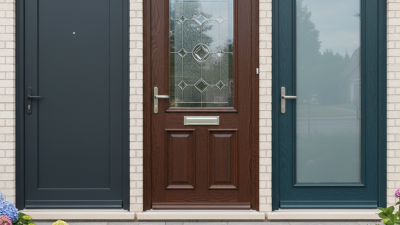
For those in tropical regions, fiberglass doors might be ideal. They mimic wood's appearance without the risk of damage. These doors are lightweight and resistant to moisture. It’s essential to think about the climate and local conditions.
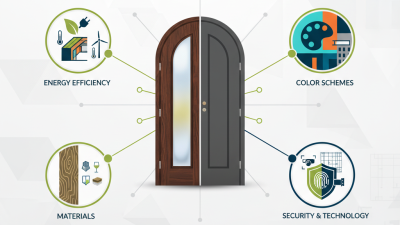
Here are some considerations: Be mindful of maintenance requirements. Think about security features and energy efficiency. Evaluate how the door complements your home style. Choose a material that serves your needs while reflecting your personality.
Energy Efficiency Features in Modern Entry Doors
Energy efficiency is a crucial factor when choosing entry doors. Modern entry doors are designed with advanced materials and technologies. According to the U.S. Department of Energy, properly insulated doors can reduce energy bills by up to 10-15%. Inadequate insulation leads to heat loss in winter and heat gain in summer, impacting homeowners' comfort.
Many entry doors now feature low-emissivity glass and insulated core constructions. These characteristics minimize thermal bridging and improve overall performance. The National Renewable Energy Laboratory (NREL) reports that energy-efficient doors can lead to significant savings over time. Also, consider climate when selecting doors. Local weather conditions may influence your choice.
It is essential to evaluate door materials carefully. Fiberglass doors provide excellent insulation, while steel doors offer durability and security. Keep in mind that not all doors perform equally well. Research and compare products based on energy ratings.
Choosing the right entry door involves careful thought. Take the time to analyze both features and costs. Energy efficiency is an investment that benefits both bills and the environment. Remember, informed decisions lead to better outcomes.
Design Trends for Entry Doors in 2026
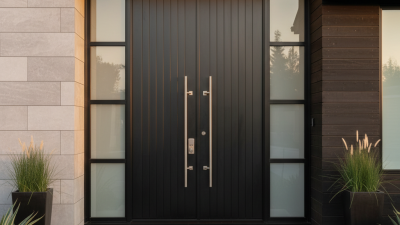
As we look ahead to 2026, entry door design trends are beginning to take shape. The preference for minimalistic designs continues to gain traction. This trend reflects a larger global movement towards simplicity and functionality. According to a recent industry report, 70% of homeowners now prefer clean lines and uncluttered aesthetics. This shift signifies a desire for both style and ease of maintenance.
Natural materials will also play a crucial role in entry door designs. Wood remains a popular choice, as it exudes warmth and authenticity. However, eco-friendly options are emerging. Biodegradable composite materials are becoming more prevalent. Reports suggest that this segment of the market is expected to grow by 25% in the next few years. This growth highlights a more conscious consumer base that values sustainability alongside design.
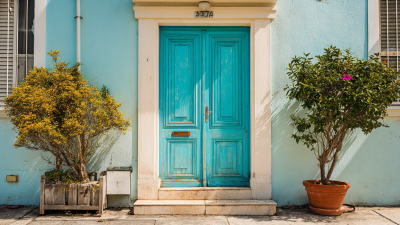
Color palettes are evolving too. Bold colors have made a comeback, with deep blues and earthy greens leading the way. A striking entry door can create a memorable first impression. Yet, some homeowners may hesitate, fearing they might clash with their overall home aesthetic. Balancing trendiness and personal taste remains a challenge for many. As 2026 approaches, the dialogue around entry door designs will surely continue to evolve, influenced by both personal and environmental considerations.
2026 Best Entry Doors for Global Buyers to Consider
Security Enhancements for Entry Doors: What to Look For
When considering entry doors, security enhancements should be a top priority. Look for doors made from solid materials that resist forced entry. Steel and fiberglass are excellent choices for durability. A door with a deadbolt lock offers additional protection against intruders. This simple upgrade can make a significant difference in your home’s security.
Consider the door frame as well. A reinforced frame can withstand more force than a standard one. Installing a strike plate with longer screws means it is less likely to be pried open. Windows in your front door can create security risks. If you must have them, choose tempered glass and use window locks.
Also, think about smart technology. Smart locks allow you to monitor access remotely. Some systems offer features like alerts for any suspicious activity. Remember that no security measure is foolproof. Regularly inspecting locks and door materials is vital for maintaining safety. Reflecting on these factors helps ensure your entryway is both welcoming and secure.
2026 Best Entry Doors for Global Buyers to Consider
| Door Type |
Material |
Security Features |
Energy Efficiency Rating |
Average Cost (USD) |
| Fiberglass Door |
Fiberglass |
Multi-point locking system |
Energy Star Certified |
1,200 - 3,500 |
| Steel Door |
Steel |
Reinforced frame, deadbolt lock |
R-Value: 14 |
800 - 2,500 |
| Wood Door |
Solid Wood |
Anti-drill locks |
R-Value: 5 |
1,000 - 4,000 |
| Aluminum Door |
Aluminum |
Smart lock technology |
Energy Star Certified |
1,200 - 3,000 |
| Composite Door |
Composite materials |
Dual locking system |
R-Value: 10 |
1,200 - 3,500 |
Cost Considerations for Purchasing Entry Doors Worldwide
When considering entry doors, cost is a critical factor. The price varies widely depending on materials, design, and installation. According to a recent industry report, wood doors range from $300 to $3,000. In contrast, fiberglass options start at around $500 but can exceed $2,000 depending on customization. Steel doors, often chosen for security, typically cost between $200 and $1,500. These figures illustrate the spectrum of choices available to global buyers.
Installation costs add another layer to the budget. Professional installation usually lands between $150 and $500. This expense can be influenced by the door's size and the complexity of the installation. DIY installation might save money, but it can risk improper fitting. According to the National Association of Home Builders, improper installations can decrease energy efficiency by up to 25%. This shows how vital proper installation is, as it impacts both short-term costs and long-term savings.
Currency fluctuations and regional market conditions further complicate pricing. For example, European buyers may face higher tariffs on imported doors. It's essential for global buyers to research local market trends and consider their long-term investment in a door's durability and efficiency. This attention to detail can ultimately ensure a more rewarding purchase decision.