What Is the Best Type of Interior Door?

Choosing the best type of interior doors is less about fashion and more about how a room feels, functions, and ages.

Architect Sarah Susanka offers a useful design principle: “The goal is not a bigger house, but a better house.” That idea applies directly to interior doors. A well-chosen door can make a narrow hallway feel calmer, reduce bedroom noise, or bring warm character to an otherwise plain wall. It also needs to survive daily use, from hurried mornings to children pushing it open with one hand.

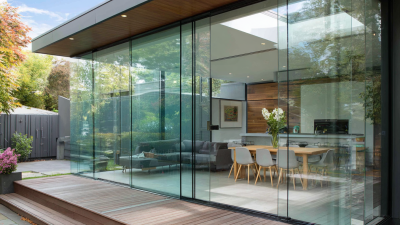
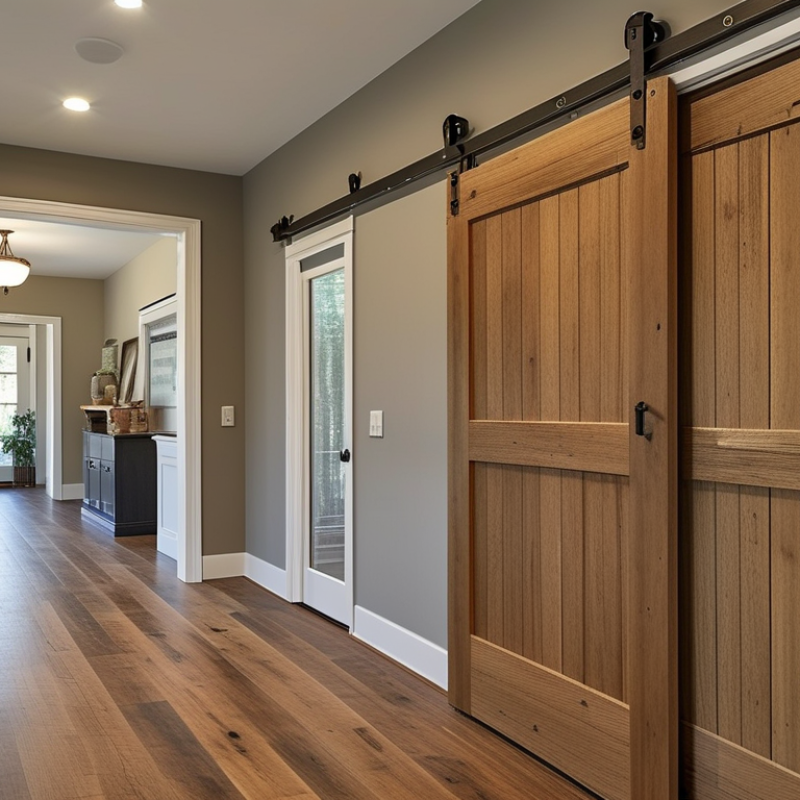
Panel doors remain popular because they suit traditional and transitional interiors. Flush doors offer cleaner lines for modern spaces. Glass-panel doors can share daylight between rooms, although they may reduce privacy. Pocket doors save floor space, but their concealed hardware needs careful installation. Barn-style doors look striking, yet they do not seal sound as effectively as hinged doors.

Small details matter. Door thickness, core material, hinge quality, swing direction, and trim proportions can change the result. So can the handle. A beautiful slab may still feel disappointing if it rattles, scrapes, or closes poorly.

There is no universal winner.

The best interior doors depend on the room’s purpose, available space, maintenance expectations, and architectural style. Homeowners often focus on color first. That may be backwards. Performance should lead, while appearance supports it.

Even experienced designers can misjudge a choice from a showroom sample. Real homes reveal more: uneven floors, changing light, damp hands, and constant traffic. A thoughtful comparison should include those imperfect conditions before selecting the final door.
What Is the Best Type of Interior Door?

What Defines the Best Type of Interior Door?

The best type of interior door is defined by how well it serves the room, not by appearance alone. A quiet bedroom may need a solid-core door with a tight seal. A small bathroom may benefit from a moisture-resistant surface and a reliable privacy lock. In a narrow hallway, a sliding or bifold door can preserve valuable floor space.

Function comes first.

A well-made door should open smoothly, close without scraping, and remain stable through seasonal humidity changes. During home inspections, I look closely at the frame, hinges, and latch alignment. A beautiful door can still feel poorly made when it drops slightly or leaves a bright gap around the edges. Sound control also matters. Solid-core construction usually reduces noise better than lightweight hollow-core panels, especially near offices or children’s rooms.

Material and maintenance shape long-term value.

Natural wood offers warmth and can be repaired, but it may expand or contract. Composite surfaces resist everyday marks and often clean easily. Glass can share light between rooms, yet it may reduce privacy unless the finish is textured. There is no universal winner. I once favored heavier doors for nearly every room, but that choice felt excessive in a bright, compact apartment. The best door balances privacy, durability, comfort, installation quality, and the room’s actual daily demands. Sometimes, simpler is better.
How Different Interior Door Materials Compare

Interior door material affects privacy, durability, weight, maintenance, and the room’s visual warmth. The best choice depends on how each door will be used.

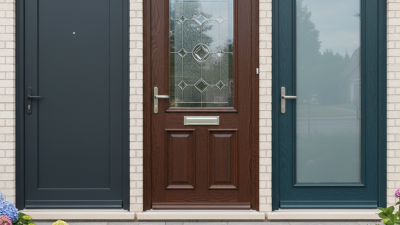
Solid wood doors provide strong sound reduction and a substantial feel. They suit bedrooms, studies, and traditional interiors. However, wood can expand or contract when humidity changes. I have seen tight gaps appear during wet seasons. Engineered wood offers a steadier structure and often costs less. Its layered construction helps reduce warping. MDF doors provide smooth surfaces for painted finishes, but damaged edges may absorb moisture quickly. They need careful sealing near bathrooms. Hollow-core doors are lightweight and economical. They work well for closets and low-traffic areas, though sound travels through them easily. Glass doors bring daylight into darker spaces. Privacy depends on the glass texture, not just its appearance.

Tips: Test a sample door before ordering. Tap the surface and inspect its edge. Check the frame, hinges, and wall alignment together. A heavy door may feel premium, but weak hardware can cause sagging. For bathrooms, confirm the material’s moisture resistance and maintain ventilation. My earlier assumption was that solid wood always felt superior. It did, but not in a small apartment where weight and humidity mattered more. Sometimes the practical choice looks less impressive.

Which Door Styles Suit Different Rooms?

The best interior door depends on how a room is used, not only on its appearance. A solid-core door suits bedrooms and home offices because it reduces voices, television noise, and hallway sounds. A hinged panel door also gives these rooms a familiar, stable feel. For a small bedroom, choose a light finish and simple panels. Dark, heavy details can make the space feel tighter.

Bathrooms need privacy, moisture resistance, and easy cleaning. A painted flush door usually performs well because it has fewer grooves for dust and dampness to collect. Avoid untreated wood near showers. It may swell over time. A pocket door can save floor space, especially beside a narrow vanity, but its wall cavity can complicate repairs. I would not choose it automatically.

Living rooms and dining areas can handle glass-panel or French-style doors when daylight matters. Use safety-rated glass where impact is possible, particularly near busy walkways. Kitchens benefit from doors that open smoothly with full hands; wide swing doors may be more practical than delicate sliding designs. For laundry rooms, a louvered door can improve airflow, though it may transmit more sound. That trade-off is easy to overlook. Measure furniture paths before ordering, because a beautiful door that blocks a cabinet is still a poor choice. Door style should support daily movement, privacy, light, and maintenance. Trends change. Practical habits usually do not.

What Is the Best Type of Interior Door? - Which Door Styles Suit Different Rooms?

Room or Area Recommended Door Style Common Materials Privacy Level Natural Light Why It Works Important Considerations
Bedroom Solid-core hinged door Painted wood, engineered wood, or composite core High Low to moderate Provides a dependable barrier for sleep, noise control, and personal privacy. Solid-core doors are heavier and usually cost more than hollow-core doors; accurate hinge and frame installation is important.
Bathroom Moisture-resistant hinged door Painted engineered wood, fiberglass, or sealed wood High Low Offers strong privacy and can withstand normal household humidity when properly finished. Keep the bottom edge and exposed surfaces protected from standing water; include a suitable privacy latch.
Living Room French or glazed double doors Wood, engineered wood, and safety glass Moderate High Creates a wider opening, improves visual connection, and allows light to move between spaces. Glazing reduces acoustic privacy; use safety-rated glass where required by local building regulations.
Home Office Solid-core hinged or partial-glass door Engineered wood, wood veneer, or laminated safety glass High with solid panels; moderate with glass Moderate to high Helps limit household noise while offering either concentration or borrowed daylight. Choose a solid door for confidential calls; use frosted or textured glass when privacy and daylight are both needed.
Kitchen Hinged door or space-saving pocket door Painted engineered wood, wood, or durable composite Moderate Low to moderate A pocket door can separate cooking areas without requiring swing clearance in a busy room. Pocket doors require a suitable wall cavity; select finishes that are easy to wipe clean and resist everyday moisture.
Dining Room French doors or wide double doors Wood, engineered wood, and clear or textured glass Moderate High Supports entertaining by creating a generous connection with adjacent rooms. Check that the door swing does not interfere with furniture, circulation routes, or dining chairs.
Closet or Wardrobe Bifold, sliding, or mirrored sliding door Lightweight composite panels, wood, laminate, or safety-backed mirror Moderate Not applicable or moderate with glass Uses less floor space than a conventional swinging door and provides broad access to storage. Track systems need accurate installation and periodic cleaning; mirrored panels add weight and require secure hardware.
Laundry or Utility Room Hinged or louvered door Painted engineered wood, composite, or wood louvers Moderate Low A louvered design can improve airflow around equipment while keeping the room visually separated. Ventilation requirements vary by appliance and location; louvers provide less sound control than solid panels.
Hallway or Small Room Pocket door or compact sliding door Engineered wood, wood veneer, or composite panels Moderate to high Low to moderate Reduces the clearance needed for a door swing and helps maintain a more open circulation path. Confirm that the wall can accommodate the pocket mechanism and that plumbing or electrical services will not conflict.
Children's Room Lightweight hinged door with smooth panels Engineered wood, painted composite, or wood High Low Provides privacy while offering a simple surface that is easy to maintain and repaint. Use durable, low-maintenance finishes and hardware with smooth, rounded edges; avoid unsafe loose glass features.

General selection rule: Choose solid-core doors where privacy and sound reduction matter most, glazed doors where daylight and visual connection are priorities, and pocket or bifold doors where saving floor space is essential.

Key Factors for Choosing an Interior Door

Choosing the best interior door depends on daily use, room function, and installation conditions. A hollow-core door suits a low-traffic closet or guest room. It is light, affordable, and easy to install. A solid-core door performs better near bedrooms, offices, and televisions. It feels heavier in your hand. That weight is useful.

Sound control deserves careful attention. The U.S. Department of Energy’s Building America Solution Center identifies solid-core construction as a practical method for reducing indoor sound transfer. Look for tested Sound Transmission Class ratings under ASTM E413. An STC 30 door may soften speech, while an STC 35 or higher door offers more privacy. Gaps can ruin that performance. A small undercut may let hallway noise through.

Moisture and safety also shape the decision. In bathrooms, choose a stable, well-sealed surface rather than untreated wood. For utility rooms, confirm the door’s resistance to humidity and repeated cleaning. Fire-rated openings require certified assemblies, compatible frames, and correct hardware; NFPA 80 requires these components to work together. Measure the opening twice. I once focused on color and ignored the swing direction. The door looked excellent, but it blocked a cabinet. Beautiful choices can still fail. The 2024 Houzz & Home Study also shows that renovation decisions increasingly focus on improving everyday function, not appearance alone. That is a useful reminder when comparing panel, flush, glass, and pocket doors.

How to Match Door Performance With Your Budget

What Is the Best Type of Interior Door?

How to Match Door Performance With Your Budget

The best interior door depends on the room, noise level, and daily use. A hollow-core door often suits bedrooms, closets, and low-traffic spaces. It is light, affordable, and easier to install. However, it can sound thin when closed. A solid-core door costs more but feels heavier and reduces noise between rooms. I have found this difference especially useful near home offices and children’s rooms.

Spend where performance matters most. For a bathroom, choose a well-sealed door with moisture-resistant materials. In a busy hallway, durable engineered wood may resist dents better than a cheaper surface. Sliding doors can save space, but their hardware needs careful adjustment. Otherwise, the panel may rattle or drag.

Measure the opening before comparing prices. Door slab, frame, hinges, and installation can change the final budget. A low-cost door may become expensive after trimming, repainting, or replacing weak hardware. I once focused too much on the panel price and underestimated installation time. That mistake still influences my recommendations. Check local building requirements for bathrooms, utility rooms, and special safety conditions. A modest solid-core door in one strategic location can offer better value than upgrading every door.

What Is the Best Type of Interior Door?

Matching door performance with your budget: typical Sound Transmission Class (STC) ratings by interior door construction.

Hollow-core doors are usually the most budget-friendly option, but their typical STC rating provides limited sound control. Solid-core and engineered-wood doors offer a practical balance of cost, privacy, durability, and sound reduction. Acoustic-rated doors provide the highest sound isolation, but they usually require a larger budget and proper installation. Actual performance varies with door thickness, seals, frames, and installation quality.