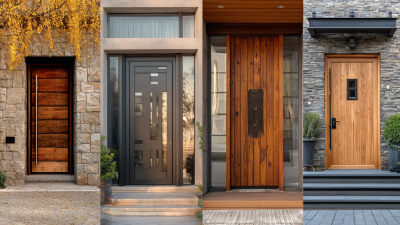
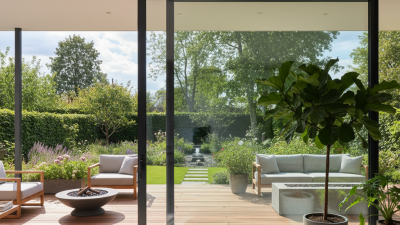
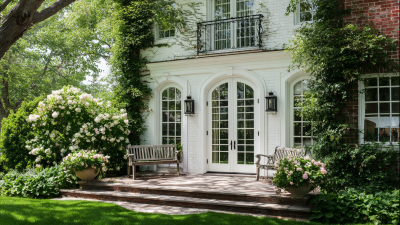
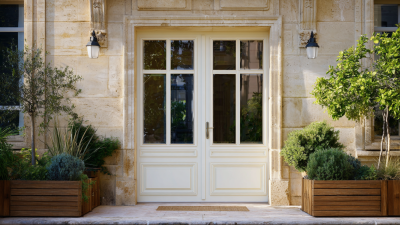
Top Trends in Windows and Doors for 2025: A Complete Guide
As we look ahead to 2025, the windows and doors industry is poised for significant transformation, driven by emerging trends that prioritize sustainability, technology integration, and aesthetic appeal. Industry expert John Anderson, a leading voice in the architectural design realm, emphasizes the importance of these advancements: "The future of windows and doors lies in harmonizing functionality with innovative designs that cater to eco-friendly solutions."
This complete guide will explore the top trends shaping windows and doors over the next few years, highlighting how manufacturers are adapting to consumer preferences and advancing technology. From energy-efficient designs to smart home integrations, the evolution of windows and doors is intricately linked to modern living standards and environmental consciousness. As we delve into these trends, it becomes clear that the choices made today will define not only the aesthetics of our homes but also their impact on the planet.
Join us on this exploration of what lies ahead in the world of windows and doors, where style meets sustainability, and innovation meets tradition. Understanding these trends will not only help homeowners make informed decisions but also encourage industry professionals to contribute to a more sustainable future.
Emerging Materials in Windows and Doors: Innovations for 2025
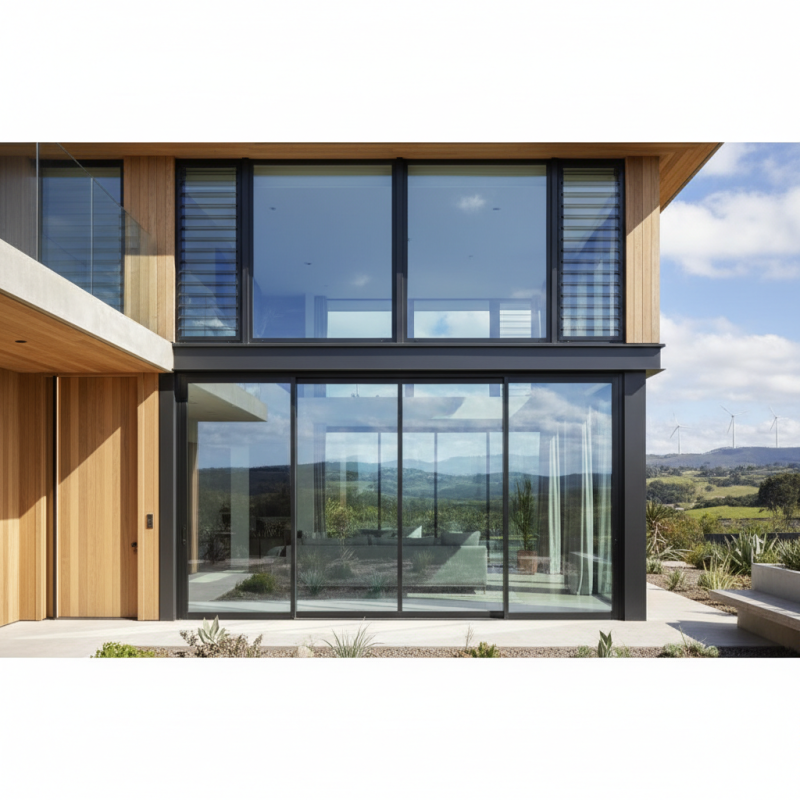
As we move towards 2025, the window and door industry is seeing a significant shift with new materials emerging to meet the demands of sustainability, energy efficiency, and modern design aesthetics. One of the most exciting innovations is the rise of advanced composite materials, which combine the best properties of traditional wood and metal while minimizing their drawbacks. These composites offer enhanced durability, resistance to weather elements, and lower maintenance needs, making them an ideal choice for both residential and commercial applications.
In addition to composites, advancements in glazing technologies are transforming windows and doors. Smart glass, which can adjust its transparency based on sunlight and heat, is becoming increasingly popular. This innovation not only improves energy efficiency by reducing heating and cooling costs but also enhances comfort and privacy for occupants. Furthermore, eco-friendly materials such as recycled plastics and sustainably sourced woods are gaining traction, reflecting the industry's commitment to environmental stewardship and responsible sourcing practices. These trends signal a shift towards smarter, greener solutions that cater to the evolving needs of consumers seeking better performance and aesthetics in their homes.
Top Trends in Windows and Doors for 2025
Energy Efficiency Trends: Sustainable Solutions in Window and Door Design
As we move toward 2025, the focus on energy efficiency in window and door design has never been more crucial. Homeowners and builders alike are increasingly prioritizing sustainable solutions that not only reduce energy consumption but also enhance indoor comfort.
Advanced materials, such as triple-glazed glass and energy-efficient frames, are becoming standard features, enabling better insulation and minimizing heat loss. These innovations contribute to lower energy bills and a reduced carbon footprint, aligning with global sustainability goals.
In addition to material improvements, smart technology integration plays a pivotal role in the energy efficiency trends for windows and doors. With the rise of smart homes, automated systems that monitor and adjust natural light and temperature are gaining traction. These systems not only optimize energy use but also adapt to varying weather conditions, enhancing comfort while decreasing energy reliance.
Furthermore, manufacturers are exploring eco-friendly production processes that utilize recycled materials and reduce waste, further contributing to an overall sustainable approach in the construction industry.
Smart Technology Integration: The Rise of Intelligent Windows and Doors
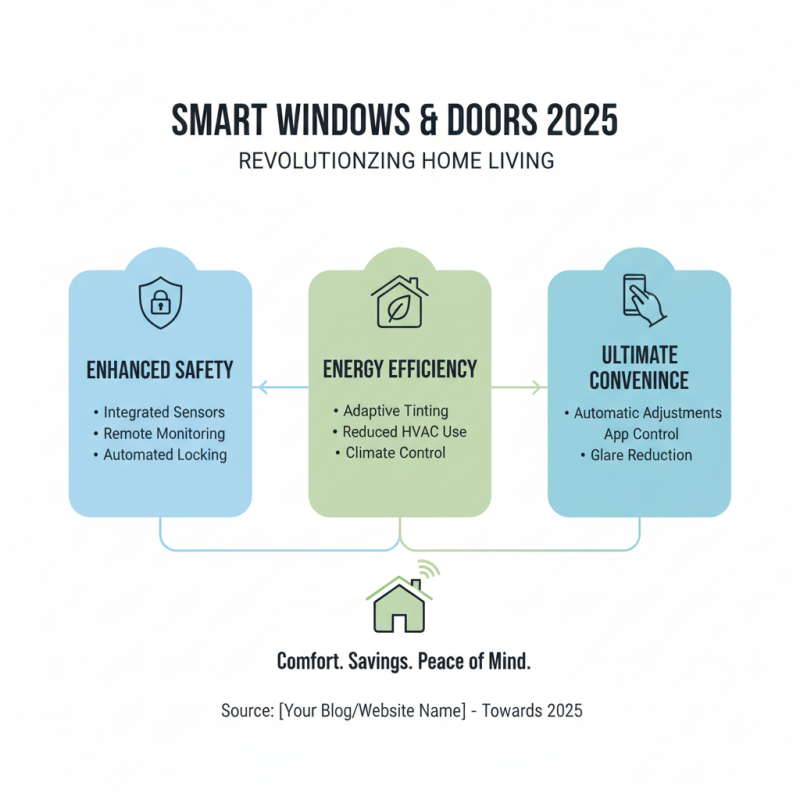
As we move towards 2025, the integration of smart technology in windows and doors is revolutionizing the way we perceive home safety, energy efficiency, and convenience. Intelligent windows equipped with sensors can automatically adjust tint levels based on sunlight intensity, enhancing comfort while reducing the need for heating and cooling systems. This adaptive feature not only contributes to energy savings but also provides a more comfortable living environment by minimizing glare and improving indoor climate control.
Additionally, smart doors are becoming increasingly sophisticated, equipped with advanced security features such as facial recognition and biometric locks. Homeowners can monitor their front entry through mobile apps, receiving real-time notifications about visitors or potential security breaches. Furthermore, automation of door locks allows for seamless entry, with keyless systems enabling residents to grant access to guests remotely. The growing trend of connectivity in home systems encourages a cohesive smart home experience, where windows and doors play a crucial role in enhancing both security and efficiency.
Aesthetic Evolution: Design Trends Shaping Windows and Doors in 2025
As we look ahead to 2025, the evolution of design in windows and doors is set to be influenced by several key trends that reflect both aesthetic desires and functional needs. A significant focus will be on sustainability, with a growing shift towards materials that are not only eco-friendly but also energy-efficient. A study conducted by the Green Building Council projects that by 2025, the demand for sustainable building materials, including windows and doors, will increase by over 50%. This shift underscores a commitment to reducing carbon footprints while ensuring durability and aesthetic appeal.
Another major trend is the integration of smart technology into the design of windows and doors. With the rising popularity of smart homes, features such as automated opening mechanisms, security sensors, and energy monitoring systems are becoming integral in the decision-making process for homeowners. According to a report from the Home Automation Market, the demand for smart home products, including advanced windows and doors, is expected to reach $80 billion by 2025. This melding of technology with aesthetic design enhances not only the look but also the functionality and safety of residential spaces.
**Tips:** When considering new windows and doors, pay attention to their thermal performance ratings, which can significantly impact energy savings. Opting for triple-glazed windows can help improve insulation and reduce heating costs. Additionally, selecting designs that complement your home’s architecture can elevate its overall aesthetic without sacrificing functionality.
Top Trends in Windows and Doors for 2025
| Trend |
Description |
Impact on Design |
Sustainability Aspect |
| Smart Windows |
Windows that adjust tint and transparency based on sunlight. |
Promotes natural lighting while reducing energy usage. |
Increases energy efficiency, supporting green building practices. |
| Minimalist Design |
Sleek, simple designs focusing on functionality and clean lines. |
Enhances modern architecture and seamless outdoor integration. |
Utilizes fewer materials, reducing waste and footprint. |
| Biophilic Design |
Incorporation of natural elements into window and door designs. |
Promotes a connection with nature, enhancing well-being. |
Encourages the use of sustainable materials and practices. |
| Color Trends |
Bold colors and matte finishes gaining popularity. |
Adds personality and uniqueness to home exteriors. |
Selection of eco-friendly paint options for durability and safety. |
| Energy Efficiency |
Focus on double and triple glazing for insulation. |
Improves comfort levels and reduces heating/cooling costs. |
Promotes reduced carbon footprints and energy consumption. |
Market Predictions: Consumer Preferences and Industry Impacts for Windows and Doors
As we move towards 2025, the windows and doors market is experiencing significant shifts driven by evolving consumer preferences and broader industry trends. Recent reports indicate that sustainability is at the forefront of purchasing decisions, with 76% of consumers prioritizing energy-efficient products. This shift is not only influenced by increasing awareness of environmental issues but also by the potential for reduced utility costs. The demand for materials like fiberglass and recycled aluminum is expected to rise, as manufacturers innovate to meet these sustainability goals while maintaining aesthetic appeal and functionality.
In addition to sustainability, smart technology integration is becoming a pivotal aspect of consumer choices in the windows and doors sector. A recent industry analysis predicts that by 2025, smart windows and IoT-enabled doors could capture over 30% of the market share. Homeowners are increasingly seeking features such as automated opening mechanisms, energy monitoring, and advanced security systems. As consumers embrace smart home solutions, companies that can effectively combine design, technology, and energy efficiency will likely lead the market in the years to come, reflecting a growing preference for convenience and enhanced living environments.