Top 10 Front Door Types for Global Buyers

Choosing a front door is not merely a decorative decision. It shapes security, energy efficiency, weather protection, and the first impression of a home.

Architect Sarah Susanka describes the entry as “the handshake of the house.” That image remains useful. A solid oak door feels warm beneath the hand, while a steel model offers a sharper sense of protection. Glass can flood a hallway with daylight, yet it may demand better privacy planning. Every material brings a compromise.

This guide examines the top 10 front door types for global buyers. It considers wood, steel, fiberglass, aluminum, glass, pivot, sliding, double, Dutch, and smart doors. Each option performs differently across climates, budgets, architectural styles, and maintenance expectations.

Climate matters greatly. A timber door may need careful sealing in humid coastal regions. A metal door can expand under intense sunlight. Fiberglass often handles changing weather with less upkeep, but it may not provide the same tactile richness as natural wood.

Security is also more than the door slab. The frame, hinges, lock cylinder, glazing, and installation quality all matter. A premium door can still perform poorly when fitted carelessly.

There is no perfect choice.

Global buyers should compare certified performance data, warranty terms, local service, and replacement-part availability. Standards also vary between markets, so product claims deserve careful checking. Some advice sounds universal, but it is not.

The right front door should suit the building, the climate, and daily habits. It should welcome visitors without becoming a maintenance burden. That balance is the real starting point.
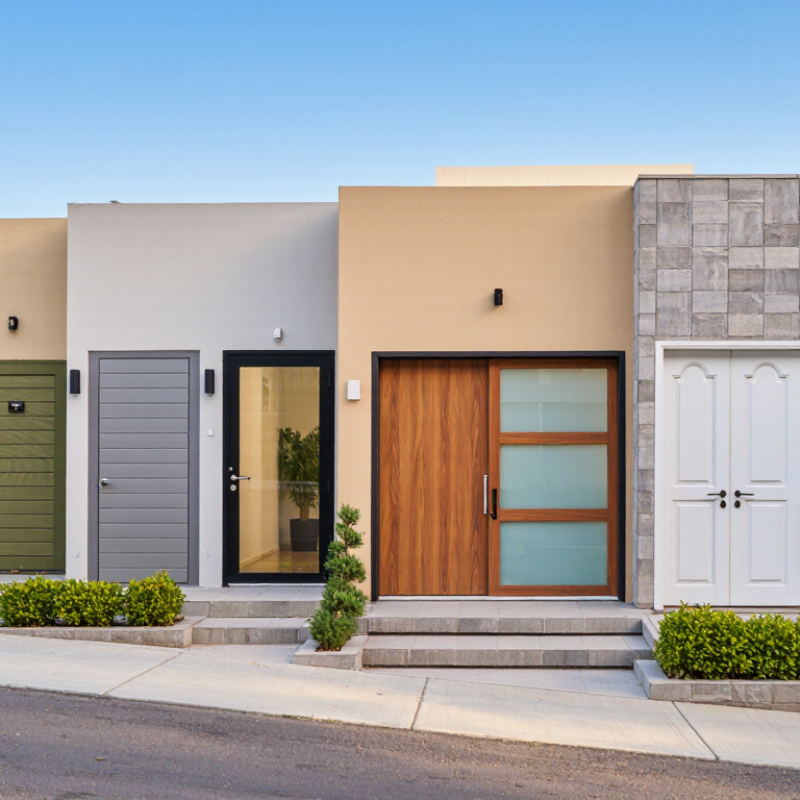
Top 10 Front Door Types for Global Buyers

What Defines a Front Door Type for Global Residential Buyers

Top 10 Front Door Types for Global Buyers

A front door type is more than a visual style. It combines material, opening method, glazing, climate response, security, and installation conditions. Global residential buyers may compare panel, flush, glazed, pivot, sliding, folding, French, Dutch, louvered, and reinforced doors. Yet these labels do not tell the whole story.

Climate often defines the practical choice. The UNEP Global Status Report for Buildings and Construction 2023 states that buildings create about 37% of global energy-related emissions. A well-sealed entrance can reduce drafts, moisture movement, and unwanted heat transfer. Buyers should check U-factor, air leakage, water resistance, and solar heat gain where relevant. These details matter more than a photograph.

Operation is another defining feature. A pivot door needs clear floor space and accurate hardware alignment. A sliding door suits compact entries but depends heavily on track drainage. Glazed doors bring daylight, while insulated panels offer stronger privacy. In storm-prone areas, impact-rated assemblies may deserve priority. Local building guidance should confirm performance requirements.

Material changes maintenance expectations. Timber offers warmth but requires finish care. Fiberglass resists many weather-related problems. Steel can provide strong security, although exposed edges may corrode. That comparison is imperfect. Installation quality can defeat an excellent door specification. The U.S. Department of Energy recommends evaluating whole-unit performance, not glass or panel performance alone. A beautiful door can still perform poorly.

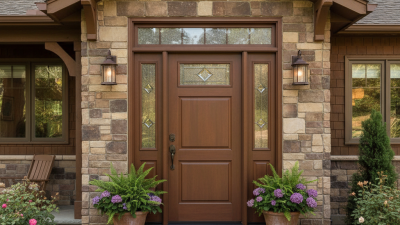
The Ten Main Front Door Types and Their Distinctive Features

Top 10 Front Door Types for Global Buyers

The ten main front door types suit different climates, layouts, and security expectations. Solid wood doors offer warmth, visible grain, and easy refinishing. Engineered wood resists warping better, especially in humid regions. Fiberglass doors imitate timber while needing less maintenance. Steel doors provide strong impact resistance and excellent value. The National Association of Realtors’ 2024 Remodeling Impact Report ranks steel entry-door replacement among the strongest cost-recovery projects. Glass doors bring daylight, but require laminated or tempered glazing. Flush doors create a clean, modern surface with fewer decorative details.

Pivot doors rotate on floor and ceiling hardware, allowing unusually wide openings. French doors use paired panels and suit symmetrical entrances. Sliding doors save space and work well beside gardens or patios. Dutch doors split horizontally, supporting ventilation while keeping children or pets inside. These ten types are not equally practical everywhere. A beautiful pivot door may perform poorly in heavy wind. A large glass door may increase heat gain. The U.S. Department of Energy notes that air leakage can represent 25–40% of heating and cooling energy use. That figure makes seals, thresholds, and installation quality impossible to ignore.

Tips: Check U-factor, solar heat gain, drainage, and local wind ratings before ordering. Ask for tested air-infiltration results, not vague claims. Measure the opening twice. Even experienced buyers occasionally miss the sill height. Think beyond appearance; a door is part of the building envelope.

Top 10 Front Door Types for Global Buyers — The Ten Main Front Door Types and Their Distinctive Features
No. Front Door Type Typical Construction Common Slab Thickness Thermal Performance Security Potential Weather Resistance Maintenance Distinctive Features Relative Cost Best Suited For
1 Solid Wood Door Natural hardwood or softwood boards, often built with rails, stiles and panels. Typically 40–55 mm Moderate; improves with dense wood, weather seals and insulated cores. High Moderate; requires sealing or painting to limit moisture movement. Medium to high Authentic grain, substantial feel, repairable surface and strong design flexibility. Medium–High Traditional, heritage and premium residential entrances in moderate climates.
2 Engineered Wood Door Wood veneers bonded to engineered timber, composite cores or laminated layers. Typically 44–56 mm Good; layered construction generally reduces warping and improves dimensional stability. High Good when factory-finished and correctly sealed on all edges. Medium Wood appearance with more consistent performance than many solid-wood constructions. Medium–High Homes requiring a wood finish with improved stability across seasonal changes.
3 Steel Door Steel skins over a bonded or foamed insulation core, commonly mounted in a reinforced frame. Typically 40–50 mm Good to very good when the core is insulated; metal itself conducts heat. Very High Very good with corrosion-resistant coatings and protected edges. Low Strong resistance to forced entry, impact and everyday wear; smooth or textured finishes available. Low–Medium Security-focused homes, apartments and entrances exposed to heavy use.
4 Fiberglass-Composite Door Molded fiberglass-reinforced polymer skins over a polyurethane or similar insulating core. Typically 44–57 mm Very good; insulated cores and low air leakage can provide strong energy performance. High Very good; resists moisture, rot, insects and many temperature-related distortions. Low Can reproduce wood-grain designs while offering high dimensional stability and low upkeep. Medium Humid, coastal or highly variable climates and energy-conscious residential projects.
5 Aluminum Door Extruded aluminum profiles with insulated sections, panels or glazing units. Typically 45–75 mm overall system depth Moderate to very good, depending on thermal breaks and glazing specification. High Very good; naturally corrosion-resistant when properly coated or anodized. Low Lightweight, slim sightlines, modern appearance and broad compatibility with large glass areas. Medium–High Contemporary architecture, warm climates and entrances needing wide glazed panels.
6 uPVC / Vinyl Door Multi-chamber extruded polymer frame with insulated panels and sealed glazing. Typically 44–70 mm overall system depth Good to very good; multi-chamber profiles and sealed units limit heat transfer. Medium–High Very good; does not rust or rot and generally performs well in damp conditions. Low Low-maintenance construction, reliable weather sealing and broad availability of glazed designs. Low–Medium Rainy climates, budget-conscious renovations and homes prioritizing easy maintenance.
7 Full-Glass Door Tempered or laminated safety glass installed in a metal, timber or frameless door system. Commonly 10–25 mm glass, depending on the safety and insulation build-up Moderate to good with insulated double or triple glazing; lower with single glazing. Medium–High Good when correctly gasketed and drained; frame quality is critical. Medium Maximum daylight, visual openness and strong connection between indoor and outdoor spaces. Medium–High Modern homes, protected entrances and designs where daylight is a priority.
8 Pivot Door Large door leaf rotating on concealed or surface-mounted pivot hardware rather than side hinges. Typically 50–100 mm, depending on size and material Good when fitted with a thermally efficient leaf, threshold and perimeter seals. High Good; performance depends heavily on pivot hardware, seals and threshold detailing. Medium Oversized entrance format, distinctive movement and strong architectural presence. High Large contemporary entrances, luxury residences and statement architectural designs.
9 Double / French Door Two hinged leaves meeting at a central astragal or locking interface. Typically 40–60 mm per leaf Good when both leaves have continuous seals and a properly designed meeting stile. High Good, although the center meeting point requires careful weather sealing. Medium Creates a wide opening, supports symmetrical façades and allows flexible everyday access. Medium–High Wide porches, formal entrances and homes requiring occasional furniture access.
10 Dutch Door A horizontally split door with independently operating upper and lower sections. Typically 40–55 mm per section Moderate to good; the horizontal joint needs effective seals and robust hardware. Medium–High Moderate to good, depending on the joint design and exposure protection. Medium Upper and lower halves can open separately for ventilation, visibility or controlled access. Medium–High Country-style homes, kitchens, porches and entrances needing partial opening.
Data shown are typical market ranges and performance characteristics. Actual results vary with climate, door dimensions, frame design, glazing, installation quality, hardware and local building requirements. Relative cost is a general comparison and excludes site-specific installation, structural alterations and access-control equipment.

How Door Materials Influence Strength, Insulation, and Maintenance

Top 10 Front Door Types for Global Buyers

How Door Materials Influence Strength, Insulation, and Maintenance

Front door materials shape daily comfort, security, and repair costs. Solid wood offers warmth and strong visual appeal, but it can swell in humid climates. Engineered wood improves stability, although edge sealing remains important. Steel doors deliver high impact resistance and often include insulating cores. Fiberglass resists moisture, dents, and sunlight better than many painted surfaces. Aluminum stays light and corrosion-resistant, but it needs thermal breaks in cold regions. uPVC and composite doors usually provide dependable insulation with limited upkeep. Glass, pivot, louvered, and double doors need careful frame design.

The International Energy Agency’s Energy Efficiency 2023 report states that buildings consume about 30% of global final energy. A poorly sealed entrance can quietly increase heating or cooling demand. The U.S. Department of Energy recommends insulated cores, weatherstripping, and low-emissivity glazing for better envelope performance. NFRC rating data helps buyers compare U-factor, solar heat gain, and air leakage. Lower U-factor generally means better insulation. Yet ratings can disappoint when installation is careless. This is easy to overlook.

Tips: Match the material to the climate. Choose fiberglass or sealed composite for wet coastlines. Consider insulated steel for exposed entrances. Check frame breaks, threshold seals, and drainage paths. Ask for tested performance data, not attractive claims. Recheck hinges and seals annually. Small gaps become expensive.

How Design, Security, and Climate Suitability Affect Door Selection

Top 10 Front Door Types for Global Buyers

How Design, Security, and Climate Suitability Affect Door Selection

Front doors include solid wood, steel, fiberglass, aluminum, glass, pivot, French, sliding, panel, and louvered designs. Each type changes a home's appearance and daily comfort. Solid wood offers warmth and repairability, but it can swell in humid climates. Steel provides strong resistance against forced entry, yet exposed edges may rust near coastal air. Fiberglass often balances insulation, durability, and low maintenance. It can imitate wood without absorbing as much moisture.

Climate should guide the frame, core, seals, and surface finish. In hot regions, shaded entries and light-colored finishes reduce heat buildup. In cold areas, insulated cores and compression seals help prevent drafts. Coastal buyers should inspect corrosion-resistant hardware and drainage details. Glass doors need laminated or reinforced glazing, especially beside busy streets. Security also depends on the frame, hinges, lock quality, and installation. A beautiful door may perform poorly if the threshold leaks or the frame flexes. That detail is easy to miss.

Tips: Check local wind, rain, sunlight, and temperature patterns before choosing a style. Ask for tested thermal and security data, not vague claims. Measure the opening twice. Small errors become expensive after delivery. Consider inward or outward swing clearance, emergency access, and routine cleaning. I have found that buyers often prioritize appearance first, then discover maintenance problems later. That choice is understandable, but not always practical. A louvered door suits ventilation, while a sealed panel door usually offers better weather control. Door selection remains a compromise between character, protection, climate, and budget.

Key Purchasing Factors for Comparing Front Doors Across Markets

Top 10 Front Door Types for Global Buyers

Comparing front doors across markets requires more than checking appearance and price. Solid wood, engineered wood, steel, fiberglass, aluminum, glass, pivot, double, sliding, and Dutch doors each suit different conditions. Start with climate. A humid coastal home needs moisture resistance, while a cold region demands strong insulation and a tight seal. Measure the opening carefully, including wall thickness, threshold height, and swing direction. Small errors can create expensive installation problems.

Security should be assessed through the door leaf, frame, hinges, locks, and glazing together. A heavy door is not automatically safer. Look for tested performance data, impact resistance, and clear installation guidance. Local building requirements may affect fire ratings, emergency access, ventilation, and glass specifications. Check these requirements before placing an overseas order. Requirements vary widely.

Energy performance also affects long-term value. Compare thermal transmittance, weather seals, and maintenance needs, not only the purchase price. Aluminum may be light and durable, but it needs suitable thermal separation in colder climates. Wood offers warmth and repairability, though its finish may require regular attention. I have seen buyers overlook delivery packaging and after-sales support. That mistake can damage a good product before installation. No comparison is perfect. Allow room for local labor quality, replacement parts, and personal use habits.