Why Is the Front Door Important for Your Home Security?
The front door is more than just an entrance. It serves as the primary barrier between your home and the outside world. A strong front door enhances security and ensures peace of mind. When we think of safety, the front door is often overlooked. Many feel secure, yet their front door is weak or improperly installed.
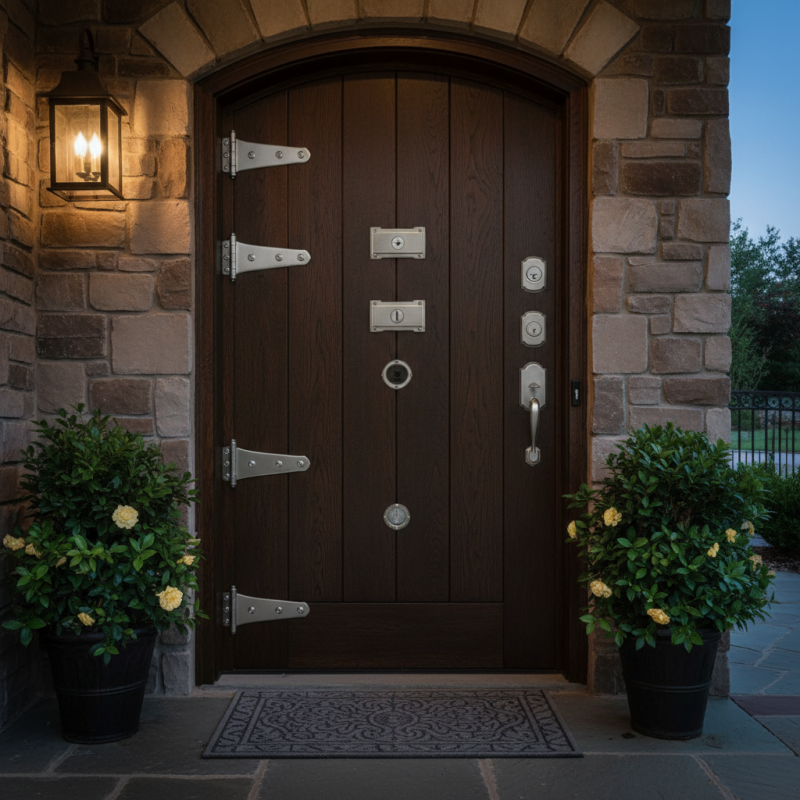
Visualize a robust front door, with sturdy locks and hinges. It should fit well in the frame, leaving no gaps. A poorly designed door can be a target for intruders. The front door reflects the home’s security level. A beautiful door can be inviting but must not compromise safety. It’s a fine balance to achieve.
Homeowners often neglect their door’s condition. Regular checks can prevent vulnerabilities. What if you leave your door unlocked, thinking it’s safe? Ordinary habits can lead to risks. Reflect on your current door situation. Is it truly secure, or just a façade?
The Role of the Front Door in Home Security Systems
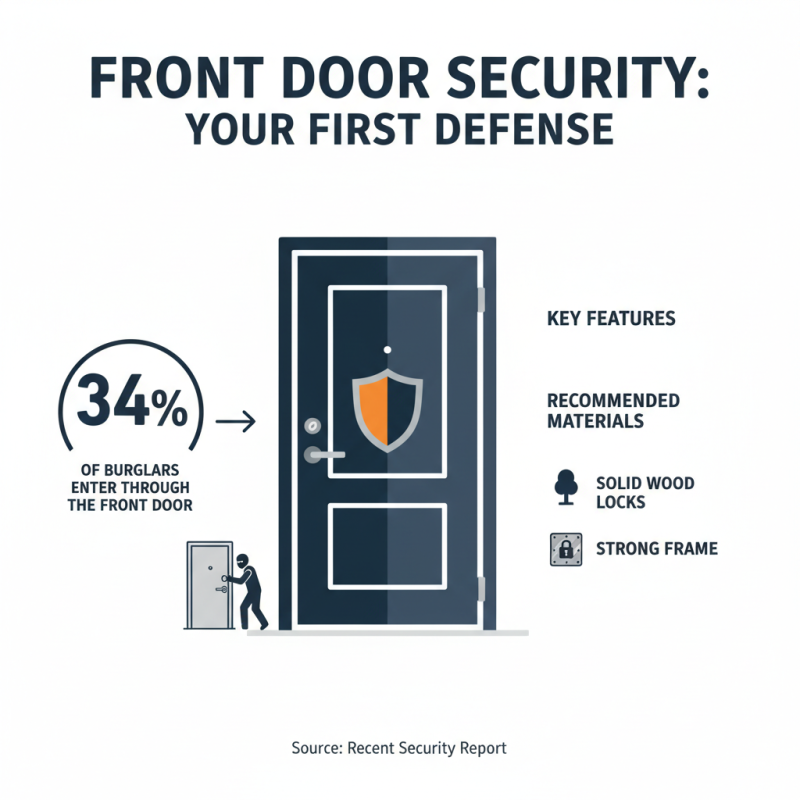
The front door plays a crucial role in home security systems. In fact, studies show that 34% of burglars enter through the front door. An effective door can deter many intruders. A solid core door, for instance, is much harder to break. According to the Home Safety Association, a well-secured door can reduce the risk of a break-in by 30%.
In addition to the door itself, locks matter greatly. Using high-quality deadbolts enhances security. Many experts recommend locks with a minimum of a Grade 1 rating. Yet, homeowners often overlook minor details. Poorly maintained doors can weaken overall security. A drafty door may signal weakness to a potential intruder. Investing in door maintenance is often ignored.
Installing a peephole can provide extra safety. Doing so allows homeowners to see who’s outside without opening the door. Many people forget this simple step. Security screen doors are also effective but are seldom utilized. This oversight can leave homes vulnerable. Addressing these details can significantly improve home security.
Importance of Front Door Features in Home Security
Common Vulnerabilities of Front Doors in Residential Properties
The front door is a primary entry point for most homes. Unfortunately, many front doors have common vulnerabilities. Research shows that around 34% of burglars enter a home through the front door. This statistic underscores the importance of securing this entry point. In many cases, doors are made of weak materials. A thin wooden door can be easily kicked in. Additionally, inadequate locks make homes vulnerable. Standard locks may not withstand dedicated attempts to breach them.
Enhancing the security of your front door is crucial. One effective tip is to invest in a solid-core door. These doors are much more resistant to forced entry. Installing deadbolts is also essential. A high-quality deadbolt adds an extra layer of security. Consider using a door viewer or peephole. This allows you to verify who is at the door before opening it.
Homeowners should regularly check their doors for vulnerabilities. Look for signs of wear or damage. Replace any worn-out hardware immediately. Remember, your front door is often the first line of defense. Ignoring its condition can leave you and your home exposed. Take proactive steps to ensure its integrity.
Effective Features of Secure Front Doors to Consider
When it comes to home security, the front door plays a crucial role. It’s often the first line of defense against intruders. According to a recent report, about 34% of burglars enter through the front door. This statistic highlights the need for robust security features in front doors. Homeowners should consider materials such as solid wood or steel. These materials are more difficult to breach.
Another significant factor is the locking system. Deadbolts are essential; they provide added strength. According to a survey, homes with deadbolts are less likely to be broken into. The type of hinges used also matters. Hinges should be stout and installed on the inside, making them hard to tamper with. Additionally, reinforced frames can enhance door stability.
Proper lighting around the front door can deter criminals as well. Studies show that well-lit entrances are less attractive to thieves. However, many homeowners overlook this detail. They may have the right door but neglect to secure the area around it. Investing in a quality front door is wise, yet many barriers still exist. Uncertainty about installation or costs can lead to indecision. Ultimately, prioritizing the front door’s security features can protect your home effectively.
Best Practices for Maintaining Front Door Security
Maintaining front door security is crucial for a home's safety. Start by choosing the right materials. Solid wood or metal doors are generally more secure. Glass panels can present vulnerabilities, allowing easy entry. Consider adding a peephole or a smart doorbell. This helps in identifying visitors without opening the door.
Locks are just as important as the door itself. Deadbolt locks offer better security than standard locks. It’s wise to avoid simple key locks. They can be easily compromised. Ensure that all locks are in good condition. Replace any that seem worn or malfunctioning. Adding a strike plate can also bolster security.
Regular inspections also play a role. Check for wear and tear around the hinges and frame. Sometimes, small gaps can create big problems. Lighting is another overlooked factor. Motion-activated lights can deter potential intruders. Being mindful of these details reflects a proactive approach to security. Each small improvement makes a difference. Be persistent in maintaining these practices.
Additional Measures to Enhance Front Door Safety
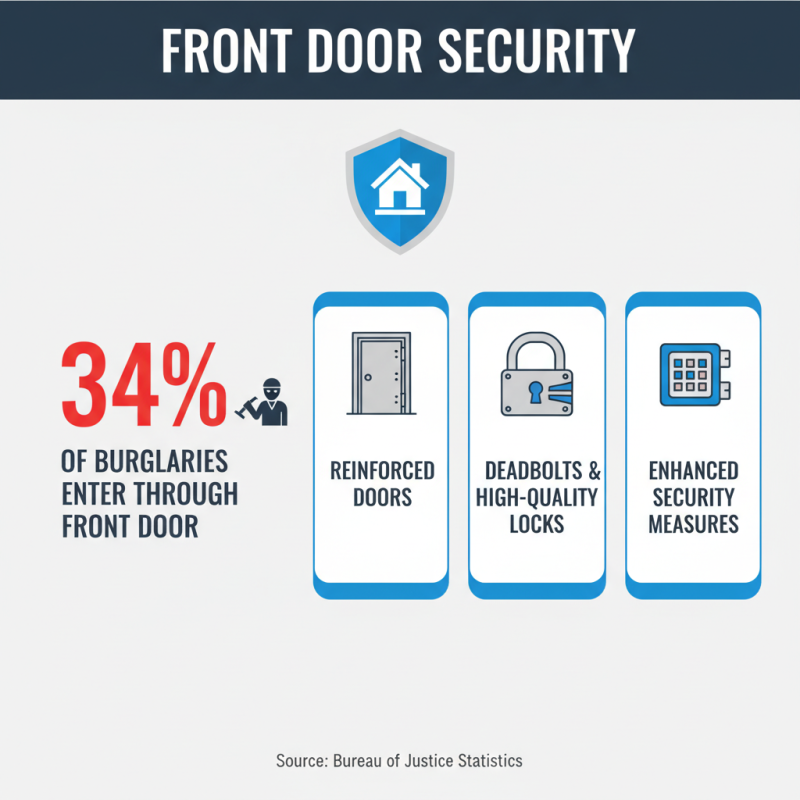
The front door serves as the primary point of entry for most homes. According to the Bureau of Justice Statistics, about 34% of burglars enter through the front door. This vulnerability emphasizes the need for enhanced security measures. Reinforced doors, deadbolts, and high-quality locks are essential, but they are just a starting point.
**Tip: Consider installing a smart lock.** These devices send alerts when someone is at your door and can log access attempts. Smart locks can also be customized to allow temporary access. This feature is useful for visitors or service personnel. Furthermore, using a security camera at the entrance can deter intruders. Research from the University of North Carolina found that 60% of burglars would avoid homes with visible security features.
**Tip: Don't underestimate lighting.** A well-lit entryway can be a simple yet effective deterrent. Motion-activated lights can surprise an intruder and make them think twice. However, over-reliance on tech isn’t wise. A strong door and frame are your first line of defense. Evaluate your current setup. Is the doorframe robust enough? Are the hinges exposed? These small details can significantly impact your home’s security. Always stay proactive and assess your entry points regularly.