10 Essential Tips for Choosing Vinyl Windows for Your Home?
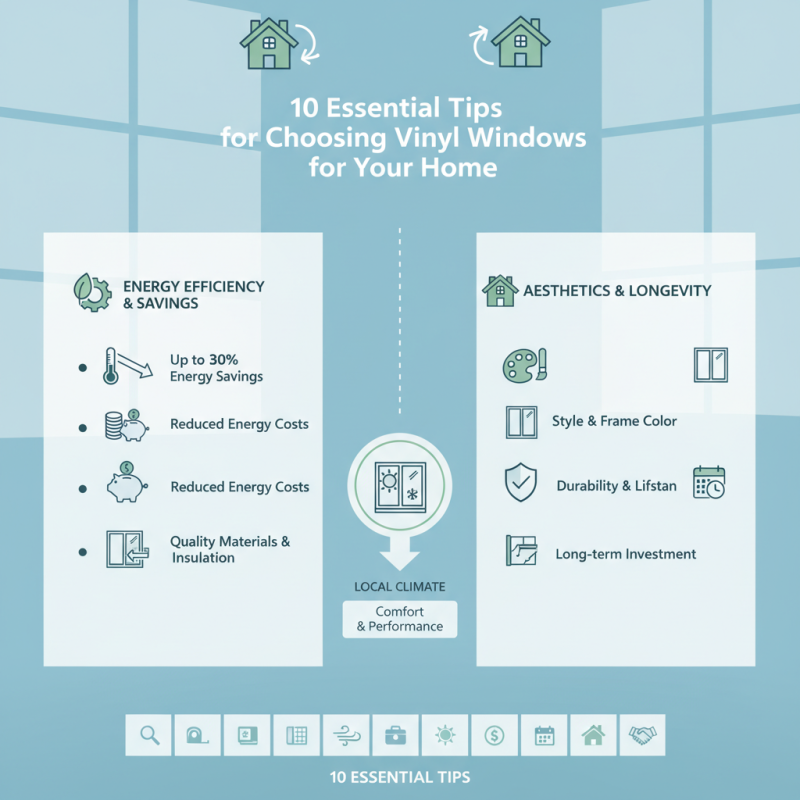
Choosing the right vinyl windows for your home is crucial. Each decision impacts energy efficiency and aesthetics. According to a report by the American Window and Door Institute, vinyl windows can reduce energy costs by up to 30%. This makes them a popular choice among homeowners.
Industry expert Jane Roberts states, “Vinyl windows are not just about beauty; they are about longevity and savings.” Her insights highlight the importance of selecting quality materials. With varying styles and functionalities available, understanding your needs is essential in making a sound investment.
Consider local climate factors when selecting vinyl windows. The wrong choice can lead to increased energy bills and discomfort. Many homeowners overlook details like frame color and insulation type. This can result in regrets down the line. Awareness of these elements will guide you toward finding the perfect fit for your home.
Understanding Vinyl Windows: Advantages and Disadvantages
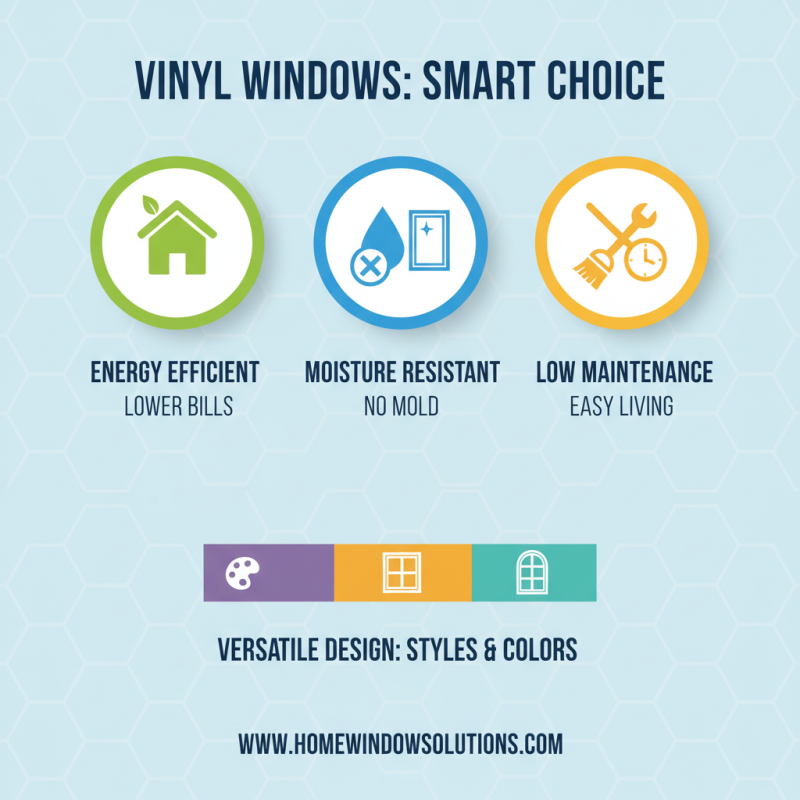
Vinyl windows have gained popularity due to their unique advantages. They are energy-efficient, which can lower utility bills. The material is resistant to moisture, preventing issues like mold. Vinyl windows require little maintenance, a big plus for busy homeowners. They are available in various styles and colors, making them easy to match any home design.
However, there are some disadvantages to consider. Vinyl windows can expand and contract with temperature changes. This might lead to gaps over time. Their aesthetic appeal is sometimes questioned, especially compared to wooden windows. Some homeowners may find the lack of customization limiting. In regions with extreme weather, durability can be an issue. Reflecting on these factors is crucial when making a decision.
Evaluating Energy Efficiency Ratings for Vinyl Windows
When choosing vinyl windows for your home, energy efficiency is crucial. The ratings should be your primary focus. Look for windows with a low U-factor. This indicates better insulation. A lower U-factor means less heat escapes in winter. It helps keep your home warm.
Consider the Solar Heat Gain Coefficient (SHGC) too. A lower SHGC can reduce cooling costs in summer. It measures how much solar radiation enters through the window. Balance is key; some climate conditions may require higher ratings. Reflect on your local weather, as it influences your choices.
Another factor to think about is the Energy Star label. Ensure the window you choose has this certification. It can guide you to more energy-efficient options. Each home is unique, so what works for one may not be ideal for another. This requires careful evaluation of your specific needs. Compromise might be necessary between aesthetics and efficiency. Make an informed choice; it pays off in the long run.
Key Materials: What to Look for in Vinyl Window Construction
When considering vinyl windows, the materials used in their construction are key. Look for windows made from high-quality PVC. This material offers durability and resistance to harsh weather. A well-constructed window can save you money on energy bills. In addition, it supports better sound insulation.
Check the thickness of the vinyl. Thicker frames often indicate better strength and insulation. A thickness of 0.070 inches or more is a good standard. Also, inspect the welding of the corners. Seamless welds mean better protection against air and water leaks.
Remember that not all vinyl is created equal. Some windows might have a lower cost but compromise on longevity. Finding the right balance between cost and quality is essential. Research and reviews can help steer you in the right direction. Don't rush your decision. Spending time choosing wisely pays off in the long run.
10 Essential Tips for Choosing Vinyl Windows for Your Home
This bar chart illustrates the importance of various criteria when selecting vinyl windows for a home. Energy efficiency ranks the highest, emphasizing the need for windows that help with heating and cooling, while warranty options tend to be of lesser priority.
Installation Considerations: Professional vs. DIY Approaches
When deciding between professional installation and a DIY approach for vinyl windows, careful thought is crucial. Professional installation offers expertise. Experienced installers can handle unique home designs and potential challenges efficiently. They often provide warranties that cover workmanship. However, this comes with a higher cost, which may not fit every budget.
On the other hand, a DIY approach can be satisfying and cost-effective. It allows homeowners to preserve their budgets. Yet, without the right skills, mistakes can happen. Misaligned windows or improper sealing may lead to future problems. If you opt for DIY, educate yourself thoroughly on the process. YouTube tutorials can be helpful, but they might miss nuanced details.
For choosing vinyl windows, consider tips like understanding energy efficiency ratings. Research local climate impacts on window performance. Ensure you select styles that complement your home’s architecture. Quality materials matter; not all vinyl is equal. Investing time in research can greatly influence your long-term satisfaction.
10 Essential Tips for Choosing Vinyl Windows for Your Home
| Tip |
Description |
Installation Type |
Estimated Cost |
| 1. Assess Your Needs |
Determine the style, size, and energy efficiency requirements. |
DIY/Professional |
$100 - $200 |
| 2. Research Materials |
Understand the benefits of vinyl materials versus other options. |
DIY |
Free |
| 3. Check Energy Ratings |
Look for Energy Star rated products for efficiency. |
Professional |
$250 - $500 |
| 4. Compare Warranty Options |
Evaluate the manufacturer's warranty on vinyl windows. |
DIY/Professional |
Free |
| 5. Choose the Right Style |
Select styles that complement your home's architecture. |
DIY |
$150 - $300 |
| 6. Get Professional Quotes |
Obtain estimates from multiple installers. |
Professional |
$500 - $1,000 |
| 7. Ensure Proper Measurements |
Accurate measurements are crucial for proper fit. |
DIY |
Free |
| 8. Consider Installation Season |
Choose a suitable season for installation to avoid issues. |
Professional |
$200 - $400 |
| 9. Understand the Installation Process |
Know what to expect during professional installation. |
Professional |
$300 - $600 |
| 10. Post-Installation Care |
Learn how to maintain vinyl windows after installation. |
DIY |
Free |
Understanding Warranty Terms and Lifespan of Vinyl Windows
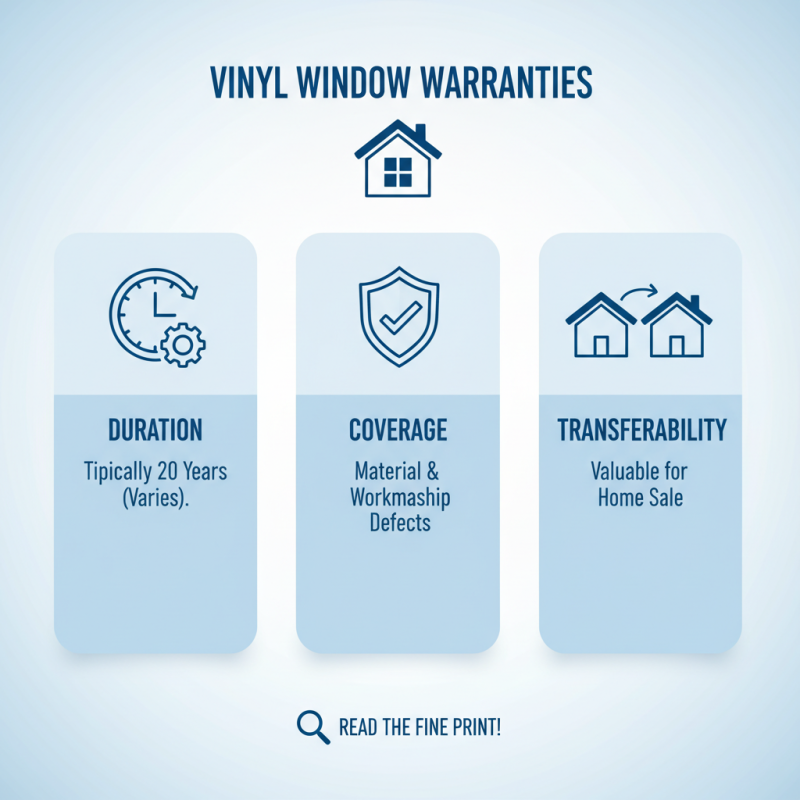
When selecting vinyl windows for your home, understanding warranty terms is crucial. A warranty gives you peace of mind. It typically covers defects in material and workmanship. Be aware of the duration. Most warranties last around 20 years, but some may vary. It's essential to read the fine print. Look for transferable warranties, which can be valuable if you sell your home.
The lifespan of vinyl windows is important too. Generally, they last 20 to 40 years, depending on maintenance. Factors such as climate and exposure to sunlight affect durability. Regular cleaning and inspection can prevent premature wear. Some homeowners overlook these tasks, leading to costly replacements. Remember, a warranty is only as good as the company behind it. Research the reputation of the manufacturer for added assurance. Don't rush into a decision. Take your time to weigh your options carefully.