10 Tips for Choosing the Right Exterior Doors?

Choosing the right exterior doors affects security, comfort, energy use, and everyday convenience. A front door faces rain, sunlight, wind, and repeated handling. It must look welcoming while protecting the rooms behind it. That balance is easy to underestimate.

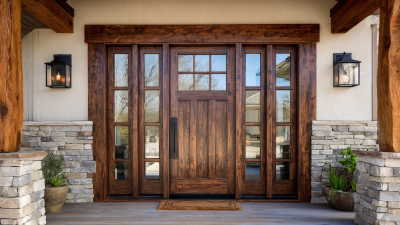
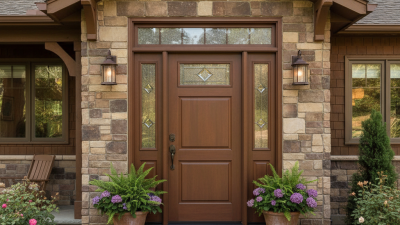
This guide explores ten practical tips for making a confident choice. You will consider material, size, swing direction, glazing, locks, weather seals, and installation quality. A solid wood door may offer warmth and character, but it can require more maintenance. Fiberglass often resists moisture, while steel can provide strength and value. Yet product performance depends on construction, finish, and climate. Read the manufacturer’s specifications carefully. Do not rely on appearance alone.

Small details matter. A poorly fitted threshold can allow cold air under the door. Weak hinges may cause alignment problems over time. Low-quality glass can reduce comfort near the entryway. Experienced installers check the opening, frame condition, drainage, and surrounding walls before recommending a replacement. Local building professionals can also confirm relevant safety and energy requirements. Their advice is useful, but ask questions and compare written estimates. Not every expensive option is better.

Measure twice.

A practical decision should include the door’s warranty, expected upkeep, security features, and installation method. Consider how muddy shoes, delivery packages, pets, or heavy groceries affect daily use. Some choices may seem attractive initially but become inconvenient later. This guide will help you examine those trade-offs clearly, avoid common assumptions, and select exterior doors that suit your home, budget, and local conditions.
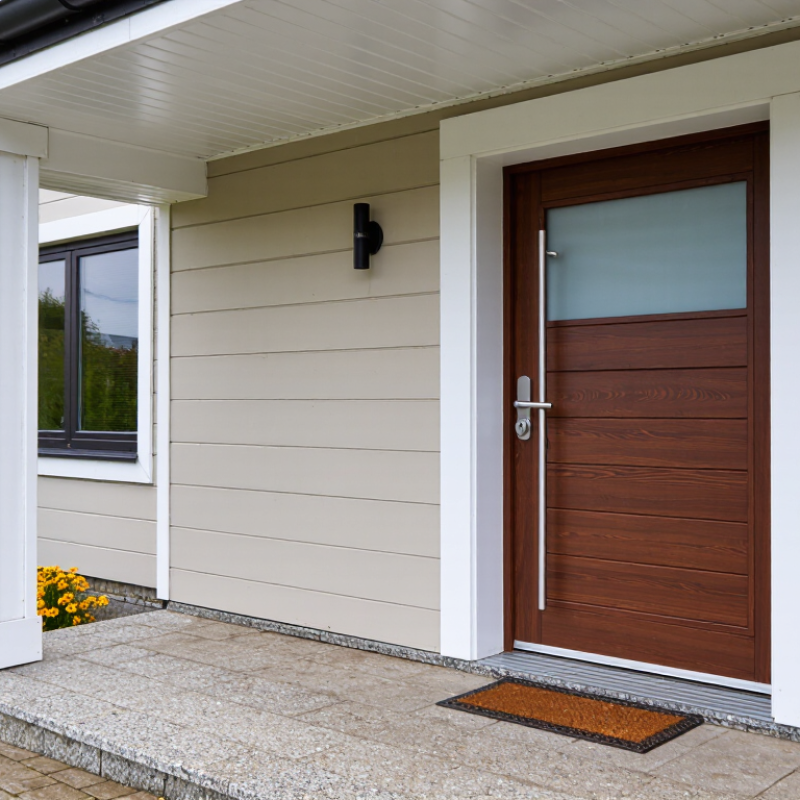
10 Tips for Choosing the Right Exterior Doors?

Define Your Home’s Exterior Door Requirements

Before choosing an exterior door, define what your home actually needs. A decorative entrance may look attractive, but it must also handle weather, security, traffic, and daily use. Note the doorway’s width, height, wall depth, swing direction, and threshold condition. Measure twice.

Think about your local climate. A door exposed to driving rain needs reliable weather seals and a properly sloped sill. In a cold area, examine insulation performance and possible air leakage around the frame. Strong sunlight may fade finishes and increase indoor heat. Coastal homes need materials and hardware that resist salty moisture. These details are easy to overlook.

Your household’s habits matter too. A busy family may need a durable surface that tolerates muddy shoes and repeated impacts. If someone uses a wheelchair, stroller, or walker, check the clear opening and threshold height carefully. Glass can bring daylight, but privacy and breakage resistance deserve attention. I once focused too heavily on appearance and underestimated the importance of door clearance. That mistake changed how I evaluate entrances.

Ask a qualified installer to inspect the surrounding structure, especially in older homes. A beautiful door can perform poorly if the frame is twisted or water has damaged the sill. Confirm local building requirements before ordering. Keep written measurements, product specifications, and installation details. Small records help resolve expensive misunderstandings.
Compare Door Materials, Construction, and Durability

Choosing an exterior door starts with comparing materials, not appearances. Fiberglass resists moisture, dents, and temperature changes well. Steel provides strong security but may rust when its protective coating fails. Wood offers warmth and repairability, though it demands regular sealing. In wet or coastal areas, I would inspect the finish twice yearly.

Construction often decides performance. Look for a solid or reinforced core, tight corner joints, and durable hinges. A quality frame matters as much as the door slab. Check the threshold, weatherstripping, and sweep for continuous contact. Small gaps can admit cold air, dust, and driving rain. Ask for tested thermal and water-resistance data when available.

During inspections, I measure the opening before judging the door itself. A beautiful slab performs poorly inside a twisted frame. I once favored heavy steel doors, but some transferred winter cold through the frame. That experience changed my checklist. Fiberglass can be practical, yet cheaper versions may flex or show weak edge construction. Wood can last decades, but only with disciplined maintenance. Compare warranty terms, repair options, energy ratings, and local climate demands. Do not rely on weight alone. A heavier door is not automatically stronger.

Evaluate Energy Efficiency, Weather Resistance, and Security

Tip 1: Check the door’s U-factor and energy rating before comparing finishes. A lower U-factor usually means better insulation.

Tip 2: Inspect the weatherstripping closely. It should compress evenly without leaving visible gaps.

Tip 3: Choose insulated cores for colder climates. Solid wood can feel warm, but it may require more maintenance.

Tip 4: Study the threshold design. A raised, adjustable sill helps block wind-driven rain. Small details matter.

Tip 5: Ask how the frame handles moisture. Fiberglass and composite materials often resist swelling better than untreated wood.

Tip 6: Examine drainage paths beneath the door. Water needs somewhere to escape.

Tip 7: Confirm that installers will use proper flashing and sealant. Even an excellent door can fail after poor installation. I once underestimated this detail, and drafts appeared within one winter. That mistake changed my checklist.

Tip 8: Test the lock smoothly before purchase. A strong deadbolt, reinforced strike plate, and solid frame improve security.

Tip 9: Consider laminated or tempered glass for doors with windows. It can reduce injury risks and make forced entry more difficult.

Tip 10: Review independent performance testing and warranty terms. Look for resistance to air leakage, water penetration, and wind pressure. Do not trust appearance alone. A beautiful door may still leak around its edges. Measure the opening twice, and question unclear specifications before signing an order.

Match Door Style, Size, Hardware, and Maintenance Needs

Choosing the right exterior door starts with matching style to the building, not copying a showroom display. A traditional home may suit a paneled door, while a modern facade often needs clean glass lines. Measure the rough opening, wall thickness, threshold height, and swing direction before ordering. A beautiful door can still fail if its frame is too narrow. Select hardware that fits daily use, including a lever, deadbolt, hinges, and a weather-resistant finish. Lever handles are easier for many users than round knobs. Check the door’s U-factor and air-leakage rating, not only its appearance. The U.S. Department of Energy reports that air leakage can represent 25–40% of heating and cooling energy use in a typical home.

Climate should guide material and maintenance choices. Fiberglass resists moisture and dents, steel offers strength, and wood provides warmth but needs closer inspection. The National Fenestration Rating Council recommends comparing verified thermal-performance ratings across products. Inspect seals twice yearly. Look for cracked caulk, daylight around the jamb, loose hinges, and water stains near the sill. Fix small gaps early. They rarely stay small. The 2024 Cost vs. Value Report found that steel entry-door replacement recovered more than its installation cost on average, although regional results varied. That figure is useful, but it should not drive every decision. I would still prioritize correct installation, drainage, and a finish suited to local sun and rain. Some doors look efficient on paper yet perform poorly when installers skip careful shimming and sealing.

10 Tips for Choosing the Right Exterior Doors

Match door style, size, hardware, and maintenance needs with the expected performance of each material.

Fiberglass and composite doors typically offer longer service life with less frequent finish maintenance. Wood doors provide strong design flexibility but usually need more regular refinishing, especially in wet or high-sun locations. Actual performance depends on climate, exposure, installation quality, door size, weather-stripping, and hardware upkeep.

Set a Budget and Verify Installation Requirements

A suitable exterior door begins with a realistic budget, not a showroom price. Include the door, frame, hinges, lockset, flashing, sealant, delivery, and labor. A low-priced unit can become expensive when the opening needs repairs. Keep a contingency of 10 to 15 percent for hidden moisture or framing damage.

During a renovation, measure the rough opening in three places for both width and height. Record the smallest measurements. Check the wall thickness, exterior cladding, threshold height, and direction of door swing. The new frame must fit without blocking steps, walkways, or nearby doors. Small details matter.

Ask the installer to confirm local building requirements before ordering. Some areas require specific emergency exit dimensions, safety glazing, energy ratings, or water-management details. Verify whether a permit or inspection applies. Request a written installation scope that identifies removal, disposal, shimming, flashing, insulation, and interior trim. Do not rely on a casual estimate.

I once underestimated trim work. That mistake affected both cost and schedule. It also taught me to inspect the sill and surrounding framing before choosing a replacement. If the installer cannot explain how water will drain away from the opening, pause the project. A door should close smoothly, seal evenly, and remain stable after seasonal temperature changes. Get these expectations in writing.