How to Choose the Best Exterior Front Door for Your Home
Choosing an exterior front door is a crucial step in enhancing your home's curb appeal. An attractive door can transform your home's façade. It serves as an introduction to your living space. Plus, it impacts energy efficiency and security.
When selecting the perfect exterior front door, consider various elements. Materials, style, and color play significant roles. Wooden doors exude warmth, while fiberglass offers durability. You might also think about the door's hardware and glass accents. All these aspects contribute to your home’s overall character.
However, the process can be overwhelming. Many homeowners may struggle with choices. A door should reflect your personal style but also align with your neighborhood’s aesthetics. It's easy to get lost in trends or overlook practical needs. Reflect on what feels right for your home and lifestyle.
Understanding Different Types of Exterior Front Doors
When selecting an exterior front door, it's essential to understand the various types available. Wooden doors often exude warmth and charm. They may require regular maintenance, especially if you live in a damp area. A fiberglass door can imitate wood while offering better insulation. This option is sturdy and less likely to warp over time.
Steel doors are another popular choice. They provide excellent security and durability. However, they can be prone to dents, which may require prompt repair. Consider the style too. Contemporary designs can differ greatly from traditional ones. Think about your home’s architecture and your personal taste.
Energy efficiency is also critical. Look for doors with good insulation features. A great door can help reduce energy costs. Colors and finishes matter, too. A vibrant color might enhance curb appeal, but it could also clash with other elements. Balancing aesthetics and functionality is often an imperfect art in home design. Make sure to weigh all the options carefully before making your choice.
Comparison of Different Types of Exterior Front Doors
This chart illustrates the popularity of different types of exterior front doors based on recent data. Steel doors are the most popular, followed by fiberglass and wood doors, with aluminum being the least popular choice.
Evaluating Material Options for Durability and Aesthetics
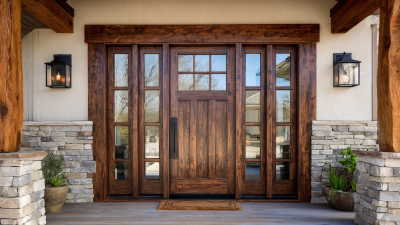
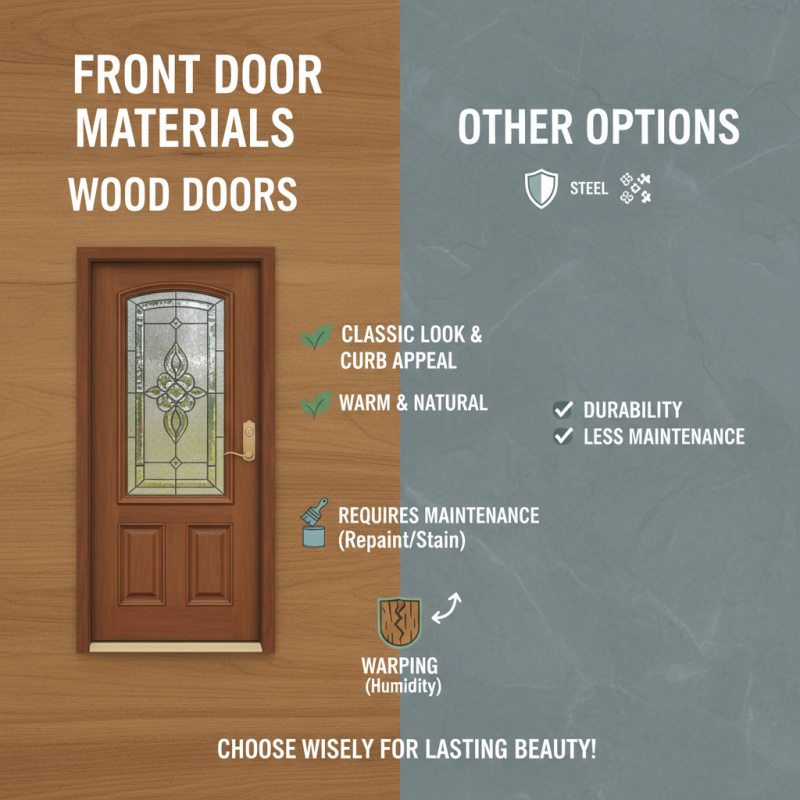
When selecting the right material for your exterior front door, consider durability and aesthetics. Wood offers a classic look that can enhance curb appeal. However, it requires regular maintenance. Occasional repainting or staining is necessary to keep it looking its best. Over time, wood can warp, especially in humid climates.
Fiberglass is a durable option that mimics wood. It is resistant to moisture and dents. You won’t spend as much time maintaining it, which is a bonus. However, some people feel it lacks the warmth of real wood. Metal doors, such as steel, provide security and strength. But they can be prone to rust if not properly treated.
Keep in mind, the choice also impacts energy efficiency. Consider insulated options to keep your home comfortable year-round. Reflecting on aesthetics and cost, it’s a balancing act. Choosing the right door can enhance your home’s overall look and feel. What works best for your style and lifestyle?
Assessing Energy Efficiency and Insulation Ratings
Choosing the right exterior front door involves more than just style. The energy efficiency and insulation ratings are crucial factors. A good door can reduce energy bills and improve comfort. Look for doors with high R-values. An R-value measures insulation effectiveness. Higher values indicate better insulation.
Tips: Check the door’s weatherstripping. It should be tight and intact. Gaps can let in drafts, making your home colder. Make sure to review energy ratings from trusted sources. Avoid relying solely on labels without understanding them.
The material of the door also plays a role. Fiberglass and steel usually offer better insulation than wood. They resist warping and provide added security too. Be cautious about cheaper options that may look good but lack efficiency. Research may reveal surprising claims about low-cost materials. Efficient doors provide peace of mind and save money in the long run.
Choosing the Right Style to Complement Your Home’s Design
Choosing the right style for an exterior front door is crucial for your home's design. A door can set the tone for your entire home. It’s more than just a security feature—it's an expression of your style. Think about how the door complements your home's architecture.
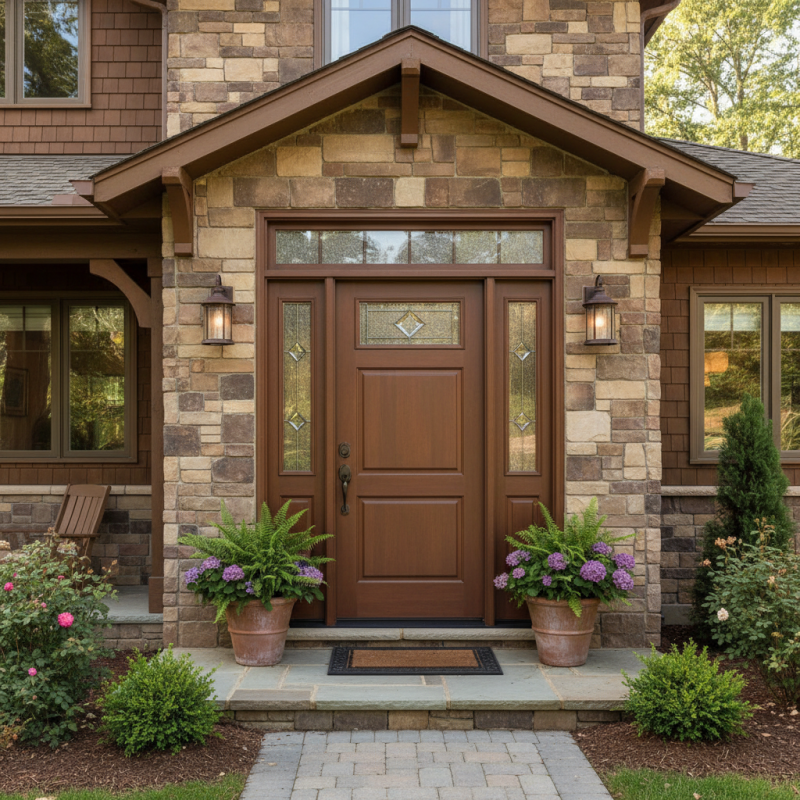
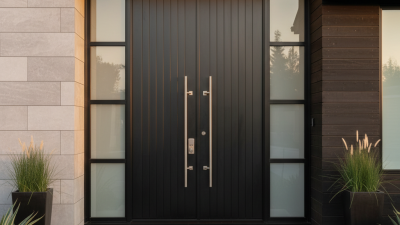
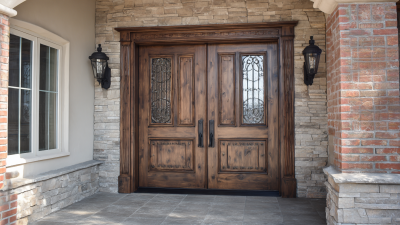
For a traditional home, consider a wooden door with classic paneling. This can add warmth and character. If your home has a modern vibe, a sleek, minimalist door made of metal or fiberglass could be fitting. The color matters too. A bold hue can make a statement, while a subtle shade offers elegance.
It's essential to reflect on the functionality of your door as well. Does it need to provide extra insulation? Will it face harsh weather? These practicalities can affect your choice. Not every style will serve every purpose. Understanding the balance between aesthetics and functionality is key. Your front door should invite, yet protect. This is a space for reflection and intentional choice.
How to Choose the Best Exterior Front Door for Your Home - Choosing the Right Style to Complement Your Home’s Design
| Door Style |
Material |
Energy Efficiency |
Cost Range |
Suitability |
| Traditional |
Wood |
Good |
$800 - $2,500 |
Colonial, Victorian |
| Modern |
Fiberglass |
Excellent |
$1,200 - $3,000 |
Contemporary, Minimalist |
| Rustic |
Steel |
Fair |
$900 - $2,200 |
Cottage, Farmhouse |
| Craftsman |
Wood/Steel Combo |
Good |
$1,000 - $2,800 |
Arts & Crafts, Bungalow |
| French |
Wood |
Good |
$1,500 - $3,500 |
Traditional, Mediterranean |
Key Security Features to Consider for Your Front Door
When selecting a front door, security features are paramount. According to a 2021 study by the Bureau of Justice Statistics, around 29% of burglaries start through the front door. Therefore, ensuring your door has robust locking mechanisms is crucial. Look for multi-point locking systems. They secure the door at multiple points, making it harder for intruders to breach.
Additionally, door materials play a significant role in security. Steel doors offer superior protection compared to wood or fiberglass. The National Association of Home Builders reports that 92% of builders recommend steel doors for enhanced safety. However, not all steel doors are created equal. Thinner steel can be easily compromised. Opt for doors with at least 24-gauge thickness for optimal protection.
Don’t overlook auxiliary features, either. Reinforced frames and anti-drill plates can significantly deter break-ins. While aesthetic appeal matters, remember that beauty without security is a risk. Choosing the right door requires a delicate balance between style and substance. Each feature adds to your home's safety profile, ensuring peace of mind.