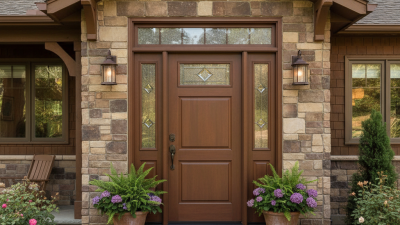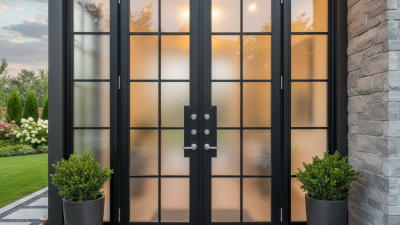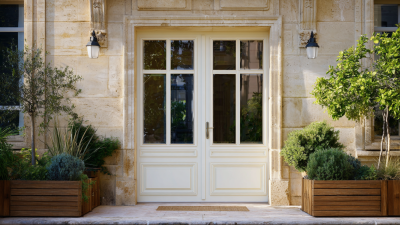
How to Choose the Best Outside Doors for Any Climate?

Choosing the best outside doors begins with understanding how your climate affects daily performance. A coastal home faces salt air, strong wind, and persistent moisture. A northern property needs protection from freezing temperatures and heat loss. In dry regions, intense sunlight can warp finishes and weaken seals. Climate changes everything.

This guide examines door materials, insulation, weatherstripping, glazing, and installation quality. Steel doors can provide strength and efficient insulation, while fiberglass often resists moisture and temperature shifts. Wood offers warmth and character, but it needs consistent sealing and maintenance. Details matter. A low threshold can reduce drafts, yet it may also require careful water management during heavy rain.

Real-world performance depends on more than the door slab. The frame, hinges, sill, and surrounding wall must work as one system. Look for tested energy ratings, impact certifications where relevant, and clear manufacturer instructions. Local building requirements also deserve attention, especially in areas exposed to hurricanes, wildfire risks, or severe winter weather. Reliable suppliers should provide warranty terms and replacement-part information.

A mistake homeowners sometimes make is choosing appearance first. That choice can become expensive when a beautiful door swells, leaks, or fades within a few seasons. I would also question broad claims such as “all-weather” performance. No outside doors suit every location without compromise. The right decision balances climate data, budget, security, maintenance time, and architectural style. Before purchasing, observe where rain lands, how sunlight moves across the entry, and whether indoor drafts appear near the frame. Small observations often reveal the best solution.
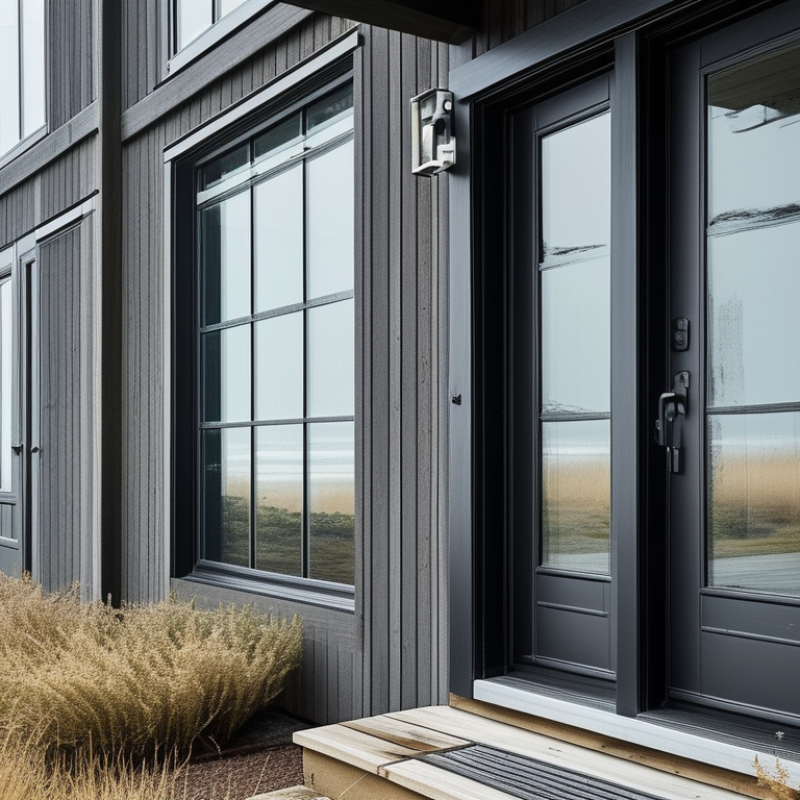
How to Choose the Best Outside Doors for Any Climate?

Classify Climate Exposure with DOE Heating and Cooling Degree Days

How to Choose the Best Outside Doors for Any Climate?

Classify Climate Exposure with DOE Heating and Cooling Degree Days

Heating Degree Days and Cooling Degree Days offer a practical climate snapshot. DOE commonly uses 65°F as the base temperature. HDD estimates heating demand below that point. CDD estimates cooling demand above it. Higher HDD values usually indicate longer, colder heating seasons. Higher CDD values suggest stronger or more frequent cooling needs.

Check annual HDD and CDD data from a reliable local weather station. Then match the door to the dominant exposure. In a high-HDD area, prioritize a well-insulated slab, tight weatherstripping, and a low air-leakage rating. Cold floors and drafts are often the first warning signs. In a high-CDD region, limit heat gain with insulated cores, shaded glazing, and carefully sealed frames. Moisture-resistant materials also matter in humid climates.

Degree days cannot describe everything. Wind-driven rain, coastal salt, mountain elevation, and daily shade can change real performance. A door facing strong afternoon sun may feel hotter than regional data suggests. I have seen installations fail because the slab was adequate, but the frame was poorly aligned. That detail is easy to miss. Review the threshold, hinges, sill pan, and surrounding wall before choosing a product. Local building guidance and a qualified installer can confirm whether the door suits the actual opening.
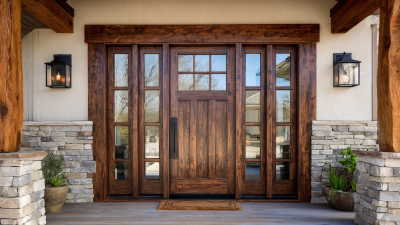
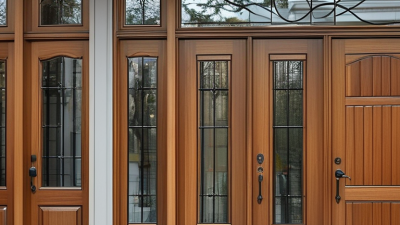
Set U-Factor and SHGC Targets Using ENERGY STAR Climate-Zone Criteria

Choosing an outside door by appearance alone can create comfort problems. U-factor and SHGC deserve equal attention.

U-factor

U-factor measures how quickly heat passes through the door assembly. Lower values usually improve winter performance. In colder ENERGY STAR climate zones, set a stricter U-factor target, such as 0.27 or lower when the product qualifies. For mixed or warmer zones, the acceptable target may differ. Always check the current regional ENERGY STAR criteria before ordering.

SHGC

SHGC measures how much sunlight enters through glazed sections. Lower SHGC can reduce summer heat, especially on south- and west-facing entrances. ENERGY STAR climate-zone guidance generally allows more solar gain in northern areas and requires lower values in hotter southern areas. A practical target may be 0.40 or below in a moderate zone, while hot zones may call for approximately 0.25 or less. These numbers can change by product category.

Watch the glass area.

A mostly solid insulated door depends more heavily on U-factor, weatherstripping, and installation quality. A door with a large glass panel makes SHGC much more important.

Field experience shows that a correctly rated door can still perform poorly when the frame is twisted or the threshold leaks. I have also seen homeowners choose the lowest U-factor without considering summer sunlight. That is not always the best decision. Confirm the label, climate zone, orientation, and whole-assembly rating. When uncertain, ask a qualified energy professional to review the local conditions.

Compare NFRC Air-Leakage Ratings Below 0.3 cfm/ft²

How to Choose the Best Outside Doors for Any Climate?

An outside door should resist weather before it impresses visitors. The NFRC air-leakage rating measures airflow through a tested door assembly. It uses cubic feet per minute per square foot, or cfm/ft². Lower numbers indicate tighter performance. A rating below 0.3 cfm/ft² is a strong target for many residential projects. The ENERGY STAR Residential Windows, Doors, and Skylights criteria also use 0.3 cfm/ft² for several product categories. However, requirements can vary by door type and certification program.

Climate changes the buying decision. In cold regions, unwanted leakage can pull icy air across the threshold. In humid areas, small gaps may invite moisture and comfort problems. The U.S. Department of Energy reports that air leakage can represent 25% to 40% of the energy used for heating and cooling in buildings. A tighter door helps, but it cannot repair a poorly sealed wall. NFRC testing follows standardized procedures, including NFRC 400, while field results depend on installation, shims, weatherstripping, and threshold adjustment.

Tips: Compare 0.29 with 0.18 cfm/ft², not just “energy efficient.” Ask for the complete NFRC label and test data. Check the sill design for rain exposure. Inspect the gasket after installation. A low laboratory rating is not magic; uneven framing can still create a cold draft. For windy or coastal locations, review water-resistance testing too, because air tightness alone does not prove storm performance.

How to Choose the Best Outside Doors for Any Climate? - Compare NFRC Air-Leakage Ratings Below 0.3 cfm/ft²

Use the NFRC air-leakage rating as a direct comparison of how much air passes through a complete fenestration product under a standardized pressure difference. Lower values indicate better resistance to uncontrolled air movement. The ratings below are selection benchmarks, not claims for any specific product.

NFRC Air-Leakage Rating Comparison and Climate Selection Guide
Comparison Dimension NFRC Rating or Climate Condition What the Data Means Recommended Door Characteristics Best-Fit Climate or Application
NFRC Air-Leakage Performance
Air leakage 0.10 cfm/ft² or lower Very low air movement through the tested product at 1.57 psf, equivalent to approximately 75 Pa. Best choice when minimizing drafts, wind-driven infiltration, and heating or cooling losses is a priority. Cold, very cold, high-wind, coastal, and high-performance homes.
Air leakage 0.20 cfm/ft² Low air leakage and a strong target for an efficient exterior door assembly. Use a continuous perimeter weatherstrip, a properly adjusted threshold, and a rigid, well-installed frame. Mixed, hot-humid, marine, and cold climates.
Air leakage 0.30 cfm/ft² A commonly used upper comparison point for low-leakage exterior fenestration products; lower is better. Acceptable only when the installation is carefully sealed and local requirements are satisfied. Moderate climates, conditioned garages, utility entries, and budget-sensitive projects.
Air leakage Above 0.30 cfm/ft² More air passes through the tested product than the comparison range requested here. Consider a lower-rated door, improve weatherstripping, and verify the frame-to-wall installation. Generally not preferred for regularly conditioned living spaces.
Climate-Based Door Selection
Very cold or cold climate Target ≤ 0.20 cfm/ft²; ≤ 0.10 cfm/ft² is preferable for exposed elevations Air leakage can increase drafts and heating demand during long heating seasons. Insulated door slab, compression weatherstripping, thermally improved threshold, insulated frame, and low U-factor. Locations with frequent freezing temperatures, snow, or strong winter winds.
Hot-humid climate Target ≤ 0.20 cfm/ft² Reducing uncontrolled humid outdoor air helps limit cooling loads and indoor moisture problems. Low-leakage perimeter seals, corrosion-resistant hardware, moisture-resistant materials, and a durable sill pan. Warm regions with high outdoor humidity and frequent air-conditioning use.
Hot-dry climate Target ≤ 0.20 cfm/ft² Lower leakage reduces the amount of hot outdoor air entering conditioned rooms. Well-sealed frame, insulated slab, durable exterior finish, and glazing selected for solar exposure where applicable. Desert and semi-arid areas with high daytime temperatures.
Mixed-humid climate Target ≤ 0.20 cfm/ft²; do not exceed 0.30 cfm/ft² where possible The door must limit both winter drafts and warm, humid summer infiltration. Balanced thermal insulation, continuous weatherstripping, effective sill drainage, and careful air-sealing at the rough opening. Regions with both meaningful heating and cooling seasons.
Marine or moderate climate Target ≤ 0.20 cfm/ft² Moderate temperatures do not eliminate the need for protection from wind-driven rain and coastal exposure. Low-leakage seals, corrosion-resistant fasteners, water-managed sill details, and finishes rated for moisture exposure. Coastal or ocean-influenced areas with mild temperatures and frequent rain.
High-wind or storm-exposed location Prefer ≤ 0.10 cfm/ft², subject to required structural ratings Air leakage and structural pressure resistance are separate performance characteristics. Use a door assembly with verified structural, water, and impact performance where required; install according to the tested system. Exposed coastlines, hurricane-prone areas, and locations with frequent severe wind.
Other Performance Checks
U-factor Lower value is better U-factor measures the rate of heat transfer through the door assembly; it is different from air leakage. Prioritize a lower U-factor in cold climates and for heated interiors. Cold and mixed climates, shaded entries, and energy-efficient homes.
Solar heat gain coefficient Lower or higher depends on climate and orientation SHGC indicates the fraction of incident solar radiation admitted through glazed areas. Choose lower SHGC for hot, sunny exposures; evaluate useful solar gain in heating-dominated climates. Doors with glass panels or sidelites, especially on south- and west-facing elevations.
Installation quality Not represented by the NFRC air-leakage number alone A well-rated door can perform poorly if the frame, sill, or rough opening is not sealed and drained correctly. Use compatible flashing, backer materials, sealants, shims, and continuous air-sealing around the frame. All climates and all exterior door types.
Technical note: NFRC air-leakage ratings are expressed in cubic feet per minute per square foot (cfm/ft²) and are determined under standardized test conditions. Air leakage is not the same as water penetration, wind-load resistance, U-factor, or overall energy performance. Always compare complete door assemblies and confirm applicable local building-code requirements before purchase or installation.

Match Door Materials to Moisture, UV, Wind, and Corrosion Risks

Choosing an exterior door begins with the climate, not the showroom finish.

In wet coastal areas, fiberglass or protected composite doors resist swelling better than untreated wood.

I inspect the lower edge, sill, and weather seals first. Those details meet wind-driven rain. Small gaps become expensive.

Moisture is not the only threat. UV exposure can fade finishes and weaken some plastics.

A shaded entry may tolerate more materials, while a west-facing door needs UV-resistant coating and a stable core.

Wood can perform beautifully, but it demands regular sealing.

I have seen attractive doors fail because maintenance was postponed.

Strong wind changes the decision. Heavy doors, reinforced frames, multipoint locks, and anchored hinges improve resistance. The door slab alone is not the system.

Check local wind-load requirements for exposed elevations and tall openings. Salt air also attacks hinges, fasteners, and thresholds. Choose corrosion-resistant hardware where practical.

I would not promise one universal material. That sounds confident, but it is incomplete. Compare each elevation’s risks, then choose an assembly you can maintain realistically. A finish nobody renews will eventually lose its protection.

Verify Flashing and Water Resistance Under ASTM E331 Testing

Choosing the best outside door for any climate starts with its water defense, not its appearance. A door may look solid, yet small gaps can invite wind-driven rain. ASTM E331 testing measures water penetration under controlled, uniform pressure. It helps evaluate the door system, including the frame, seals, joints, and installation details.

Flashing deserves close attention. The sill pan should direct water outward, while head flashing and side flashing should overlap correctly. Sealant alone is not a complete drainage plan. During site inspections, check corners carefully. That is where installation errors often hide. A door that passes laboratory testing may still leak in the field if the opening is uneven or the flashing is cut too short. This is an uncomfortable detail, but it matters.

Tips: Ask for the ASTM E331 test pressure and report, not just a general “water-resistant” claim. Confirm the tested configuration matches the door, frame, threshold, and hardware you will install. Examine the sill with a flashlight before interior finishes cover it. Leave a drainage path open. In cold or wet climates, also inspect weatherstripping after seasonal movement. It may compress unevenly. Recheck it later. No single test predicts every storm, and that limitation should guide realistic product decisions.

How to Choose the Best Outside Doors for Any Climate?

ASTM E331 uses a specified static-air-pressure difference to evaluate water penetration. These reference values convert pressure from pounds per square foot to pascals; the applicable test pressure must be confirmed in the project or product specification.

Selection guidance: In high-rainfall or wind-driven-rain locations, prioritize continuous head flashing, sealed jambs, a sloped sill pan, and a sill drainage path. A door should be evaluated at the pressure required for its intended exposure rather than compared by pressure alone.