How to Choose the Perfect Wood Front Door for Your Home
Selecting the perfect wood front door for your home is more than just a decision of aesthetics; it's an investment in your property's curb appeal and security. Renowned architect and design expert Sarah McHugh emphasizes the importance of this choice, stating, "A wood front door can dramatically enhance the character of a home, creating a welcoming entrance that reflects your personal style." With an array of options available, from various wood types to intricate designs, homeowners must navigate the possibilities to find the door that best suits their vision.
As front doors serve as the first impression to visitors and passersby alike, the choice of a wood front door plays a crucial role in defining a home's overall narrative. The texture, grain, and finish of the wood can complement different architectural styles, while also ensuring durability and security. When contemplating this significant addition to your home, consider factors such as climate, maintenance, and insulation, along with the door's design and color. In this guide, we aim to provide insights that will simplify your selection process, helping you to choose a wood front door that harmonizes functionality with your aesthetic desires.
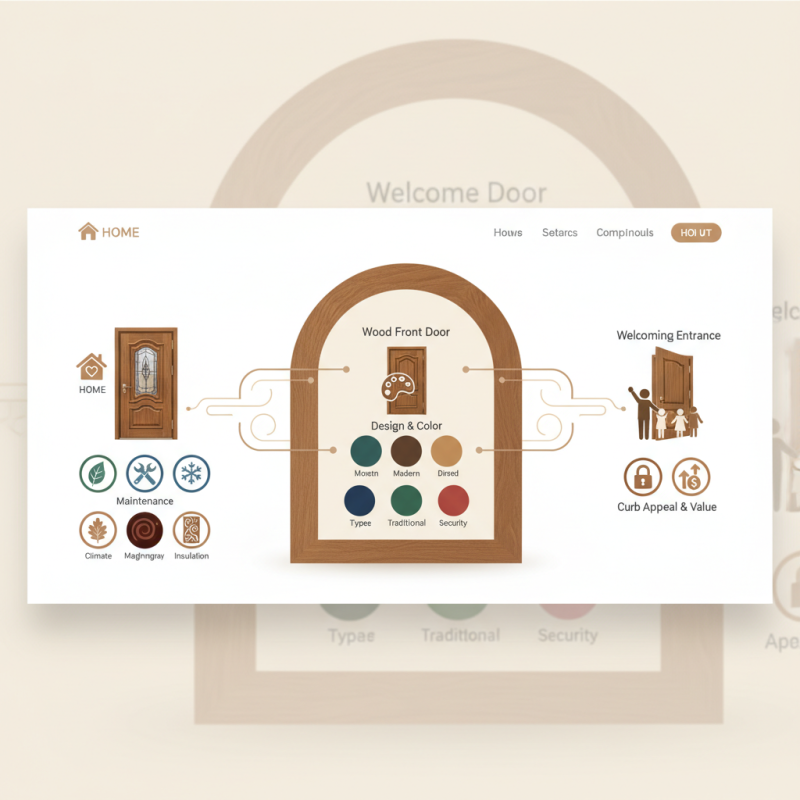
Factors to Consider When Choosing a Wood Front Door
When selecting the perfect wood front door for your home, several crucial factors must be considered to ensure both aesthetic appeal and functional longevity. First, the type of wood plays a significant role in durability and maintenance. For instance, hardwoods such as oak and mahogany are often recommended for their resistance to warping and environmental damage. A report by the American Wood Council indicates that solid wood doors, when properly maintained, can last anywhere from 30 to 50 years, making them a worthwhile investment for homeowners looking for long-term solutions.
Additionally, the door's construction method influences its energy efficiency and security. Options include solid core, hollow core, and engineered wood doors, each offering varying levels of insulation and structural integrity. According to the U.S. Department of Energy, a well-insulated door can dramatically reduce energy loss, which is vital for climate control in your home. Moreover, the door's design should complement your home’s architectural style while considering elements like glazing and hardware, which can enhance both functionality and visual appeal. Understanding these factors will aid homeowners in making a more informed choice that aligns with their personal and environmental needs.
How to Choose the Perfect Wood Front Door for Your Home
| Factor |
Description |
Importance Scale (1-5) |
| Material Type |
Different wood types offer varying durability and aesthetics. |
5 |
| Insulation |
Some doors provide better thermal insulation than others. |
4 |
| Design Style |
The design should complement your home’s architecture. |
5 |
| Size |
Ensure the door fits the existing frame or opening. |
4 |
| Finish |
Choose a finish that protects against weather and enhances beauty. |
5 |
| Security Features |
Consider doors with advanced locking mechanisms. |
5 |
| Cost |
Balance quality with budget to find the right door. |
3 |
| Maintenance |
Evaluate how much effort you’re willing to invest in upkeep. |
3 |
Different Types of Wood Materials and Their Characteristics
When selecting a wood front door for your home, understanding the characteristics of different wood materials can significantly influence your choice. Hardwoods, such as oak, mahogany, and cherry, are known for their durability and density. According to the Wood Database, oak boasts a Janka hardness rating of around 1,350, making it a robust option that can withstand wear and tear. Mahogany, with its rich coloration and resistance to decay, is favored for its aesthetic appeal and longevity, often lasting upwards of 50 years when properly maintained.
Softwoods, such as pine and cedar, present a different spectrum of characteristics. Pine doors, while generally more affordable, may not offer the same level of durability as hardwoods, with a Janka rating of approximately 690. However, cedar is renowned for its natural resistance to moisture and insects, which can be advantageous in certain climates. In fact, a report from the American Wood Council highlights that the thermal efficiency of wood materials contributes to energy savings, with insulated wood doors providing substantial benefits in reducing energy costs. Selecting the appropriate wood type not only enhances the curb appeal of your home but also determines the door's performance and maintenance needs over time.
Wood Front Door Material Comparison
This chart compares different types of wood commonly used for front doors. The first dataset represents the durability of each wood type on a scale of 1 to 10, while the second dataset shows the average cost in dollars. Oak and Mahogany are the most durable, whereas Pine is more affordable but less durable.
Design Styles: Matching Your Door With Home Architecture
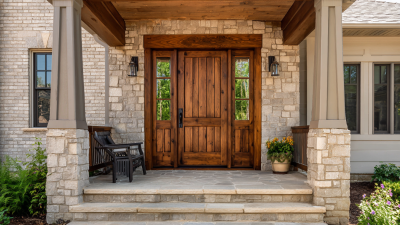
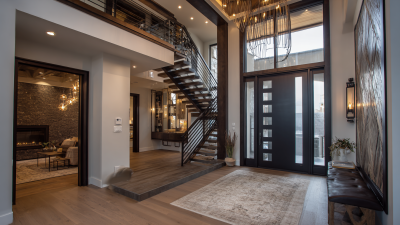
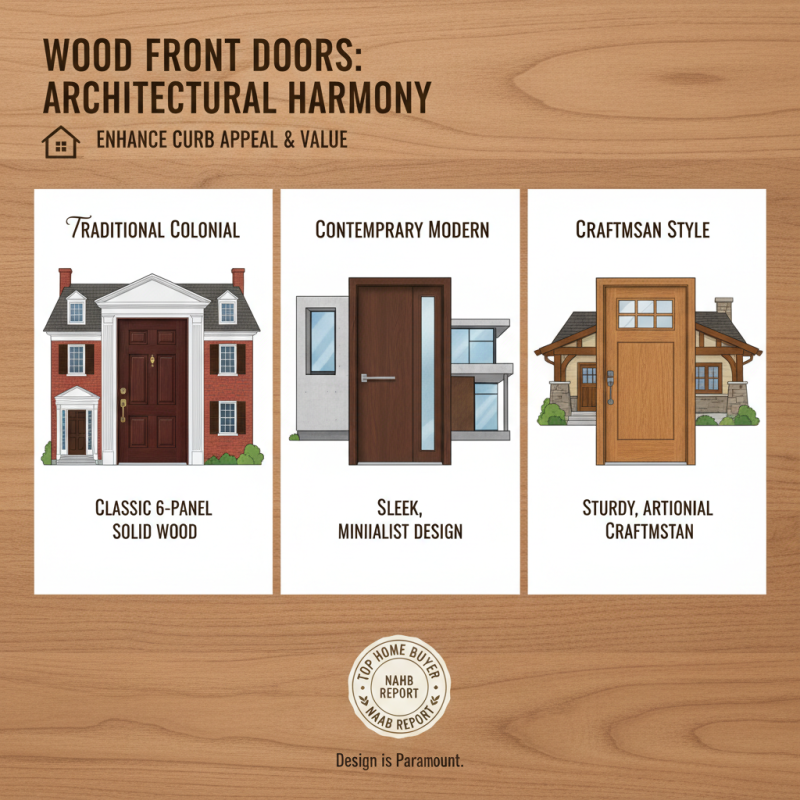
When it comes to choosing a wood front door, aligning its design with your home’s architecture is paramount. According to a report by the National Association of Home Builders, the front door is one of the top features that potential buyers evaluate, making its design a critical focal point. A well-chosen door not only enhances curb appeal but also complements the overall architectural style of a home, whether it be traditional, contemporary, or craftsman. For instance, a classic 6-panel solid wood door may beautifully accentuate a colonial-style house, while a sleek, minimalist design can add a touch of modern flair to a contemporary dwelling.
Additionally, understanding the nuances of different architectural styles allows homeowners to select a door that resonates with their aesthetic preferences. Research indicates that homes designed in the craftsman style, characterized by natural materials and a sturdy appearance, typically benefit from stained wooden doors with intricate woodwork. On the other hand, mid-century modern homes pair well with doors that feature clean lines and mixed materials, celebrating simplicity and functionality. By carefully considering these elements, homeowners can ensure their front door not only serves as an entry point but also as a statement piece that enhances their home’s architectural narrative.
Maintenance Tips for Keeping Your Wood Door in Great Condition
Maintaining a wood front door is essential for preserving its beauty and longevity. Regular care can prevent the natural elements from taking a toll on the wood. Start by cleaning the door periodically with a gentle soap solution and a soft cloth, avoiding harsh chemicals that can damage the finish. It’s also important to inspect the door for any signs of wear or damage, such as cracks or warping, which can compromise its integrity.
Proper sealing is crucial for protecting your wood door from moisture and UV rays, which can cause discoloration and deterioration over time. Depending on the type of finish, you may need to reapply a protective coating every few years. Pay attention to weather stripping as well; ensuring it is intact can help keep out drafts and moisture, extending the lifespan of your door. Taking these steps will not only keep your wood door looking its best but also enhance the overall security and energy efficiency of your home.
Cost Considerations and Budgeting for Your Wood Front Door
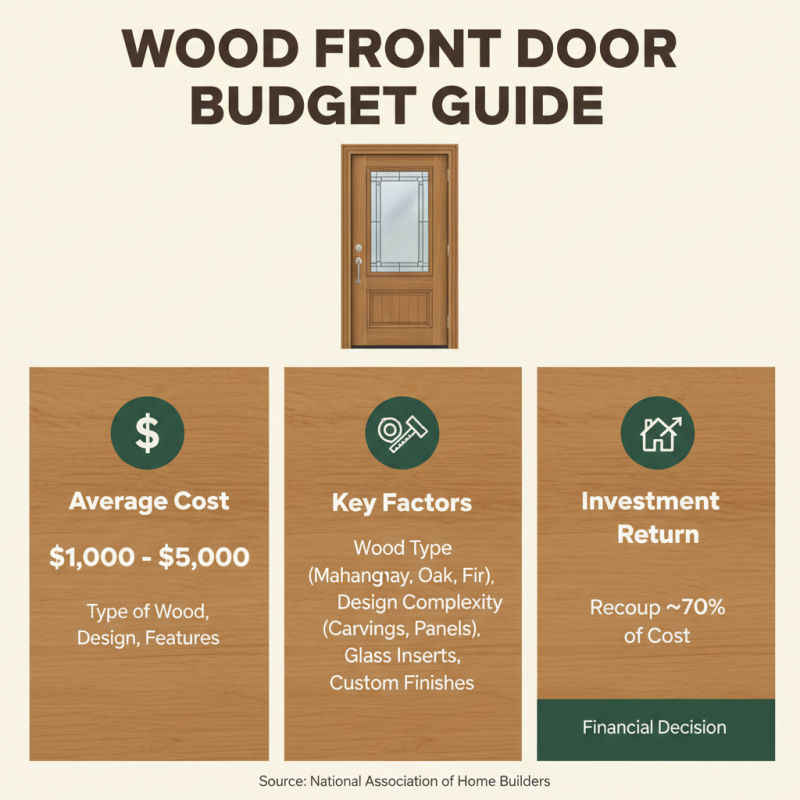
When budgeting for a wood front door, it's essential to consider various cost factors to ensure you make a financially responsible choice. The average price range for a quality wood front door typically falls between $1,000 and $5,000, depending on the type of wood, design complexity, and additional features such as glass inserts or custom finishes. According to a report from the National Association of Home Builders, homeowners can expect to recoup about 70% of the investment in a new door when selling their home, making it not just a cosmetic upgrade but a strategic financial decision.
In addition to the upfront cost of the door, consider the long-term expenses such as maintenance and energy efficiency. Wood doors require regular upkeep, including staining or painting every few years, which can add thousands to the overall cost over time. The U.S. Department of Energy estimates that a well-insulated wood door can significantly improve energy efficiency, potentially leading to savings of 10-15% on heating and cooling costs. Thus, while the initial price may seem daunting, investing in a quality wood front door with good insulation can lead to considerable savings in the long run.