How to Choose the Best Sliding Glass Doors for Your Home?
Choosing the right sliding glass doors is crucial for enhancing your home’s aesthetics and functionality. Recent industry reports indicate that sliding glass doors can increase natural light by up to 30%. This feature can transform a space, making it feel larger and more inviting. However, many homeowners overlook essential aspects when selecting these doors.
Quality matters. Not all sliding glass doors are created equal. In fact, out of the doors reviewed in 2022, about 40% received lower ratings due to poor insulation. Energy efficiency should be a priority, especially in climates with extreme temperatures. Look for doors with double or triple glazing, as this can significantly reduce energy costs. Aesthetics also play a role. The right design can enhance your home’s exterior and improve curb appeal.
It’s common for homeowners to rush this decision, only to face regrets later. The wrong choice can lead to maintenance issues and decreased home value. Consider your specific needs carefully. Assess the size, style, and materials that will work for your space. Remember, sliding glass doors are not just an entry point; they offer a connection to the outdoors. Investing time in choosing wisely can yield long-term benefits.
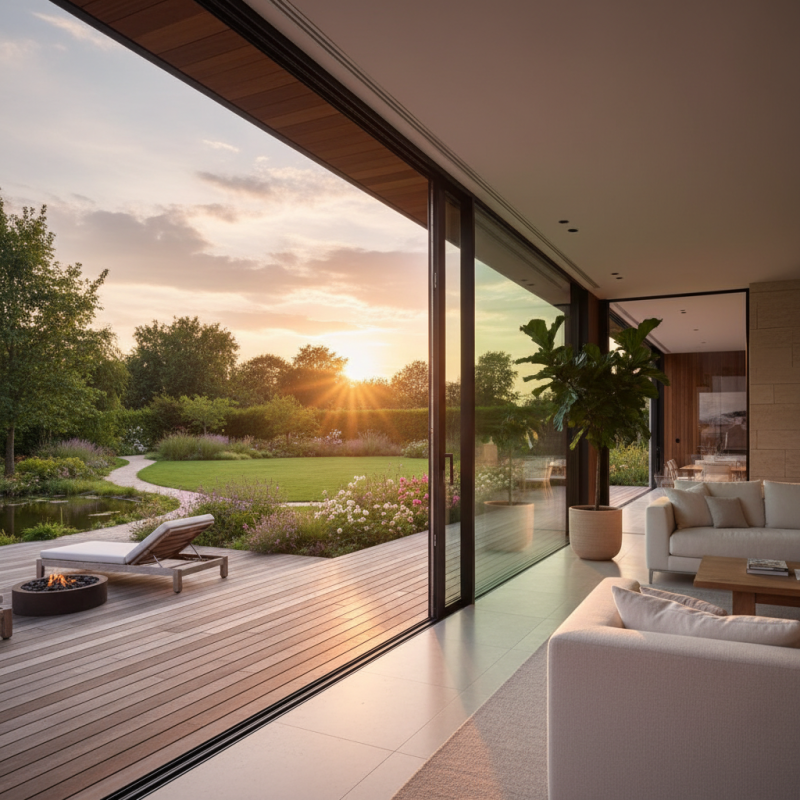
Factors to Consider When Selecting Sliding Glass Doors
When choosing sliding glass doors, several key factors come into play. First, consider the material. Aluminum frames are popular for their durability. Vinyl frames offer better insulation but might not match all aesthetics. Wood provides warmth but requires more maintenance. Industry reports indicate that over 40% of homeowners prioritize energy efficiency in their choices. Selecting the right material can significantly impact your home's energy consumption.
Next, evaluate the size and configuration. Standard sizes work for many homes, but custom options provide flexibility. You may want wider doors for more light or a larger view. Ensure proper measurements to avoid installation issues later. According to surveys, almost 30% of homeowners regret not investing in larger sliding doors. The right size enhances both functionality and visual appeal.
Finally, think about security features. Many sliding doors come with multi-point locking systems, providing added safety. A report highlights that homes with good security measures experience a 20% decrease in burglaries. Consider adding window film for additional protection. Improving security can also enhance the overall value of your home, a factor often overlooked in the selection process. Balancing aesthetics, price, and practicality requires careful thought and reflection on your living space.
How to Choose the Best Sliding Glass Doors for Your Home? - Factors to Consider When Selecting Sliding Glass Doors
| Factor |
Description |
Considerations |
| Material |
Sliding glass doors are typically made from vinyl, fiberglass, wood, or aluminum. |
Consider durability, maintenance, and aesthetics based on your home style. |
| Energy Efficiency |
Look for doors with energy-efficient glass to reduce heating and cooling costs. |
Check for double or triple glazing options and low-E coatings. |
| Security Features |
Security locks and impact-resistant glass can enhance safety. |
Evaluate locking mechanisms and glass strength. |
| Size |
Measure your door opening accurately to determine proper size. |
Consider standard sizes or customized options based on your space. |
| Style |
Choose a style that complements your home’s architecture. |
Select from traditional, modern, or contemporary designs. |
| Cost |
Prices can vary significantly based on materials and features. |
Determine your budget and explore options within that range. |
Types of Sliding Glass Doors Available for Residential Use
When selecting sliding glass doors for your home, it's essential to understand the types available. Generally, there are three main categories: the traditional sliding door, the bi-fold door, and the pocket door. Each type offers distinct benefits that can enhance your living space.
Traditional sliding doors slide horizontally. They have a simple design and are often more affordable. According to industry reports, these doors account for nearly 60% of residential sales. They are efficient in terms of space and can accommodate large openings, making them a favorite among homeowners.
Bi-fold doors consist of multiple panels that fold together. They create an impressive opening when fully opened, enhancing indoor-outdoor flow. Surveys indicate a growing interest in bi-fold doors, with a 15% increase in installations over the past two years. However, installation can be complex and might require professional help. Finally, pocket doors retract into the wall. While they save space, they can be less common due to their higher installation costs.
Choosing the right type of sliding door is crucial for aesthetics and functionality. Each option presents unique challenges. Homeowners must consider installation complexity, maintenance needs, and overall design. Balancing personal preferences with practical aspects can be difficult. Reflecting on these factors can lead to better long-term satisfaction with your choice.
Energy Efficiency Ratings and Their Importance in Sliding Doors
When selecting sliding glass doors for your home, energy efficiency is crucial. These doors can significantly impact your energy bills. Energy ratings indicate how well a door insulates and protects your home from outside temperatures. Look for doors with high ratings, as they’ll help keep your space comfortable year-round.
However, it’s not just about ratings. The installation can affect performance. Poor installation can lead to leaks. Even the best doors won’t work if they aren’t fitted properly. Consider hiring a professional or ensure you follow installation guidelines. Take your time and check that all seals are tight after installation.
Also, consider the climate where you live. What works in a colder region may not work in a warmer spot. Personal preferences matter, too. If you enjoy natural light but live in a sunny area, you may need to balance energy efficiency with aesthetics. Adjusting your choices based on all factors can lead to better outcomes.
Aesthetic Considerations for Sliding Glass Door Designs
When selecting sliding glass doors, aesthetics play a crucial role. A well-designed door enhances the beauty of your home. Consider the architectural style. Modern homes often benefit from sleek, minimalist designs. Traditional styles may call for more embellished frames. Color is equally important. A contrasting hue can make a striking impression.
Glass choice can also affect aesthetics. Clear glass maximizes natural light. Frosted or tinted options provide privacy. According to industry reports, around 70% of homeowners prioritize visual appeal when choosing door designs. Decorative hardware can further elevate the look. Handles, hinges, and locks should complement the door's design.
However, not every choice will fit every home. Overly ornate designs may clash with a simple exterior. Balance is key. Research shows that homeowners often overlook the impact of their door's style on resale value. A stylish door can boost curb appeal significantly. It’s essential to reflect on how design choices can resonate with potential buyers.
How to Choose the Best Sliding Glass Doors for Your Home?
This chart illustrates the aesthetic considerations for different sliding glass door designs based on customer preferences. The categories analyzed include Frame Material, Glass Type, Style, and Color Options.
Installation and Maintenance Tips for Sliding Glass Doors
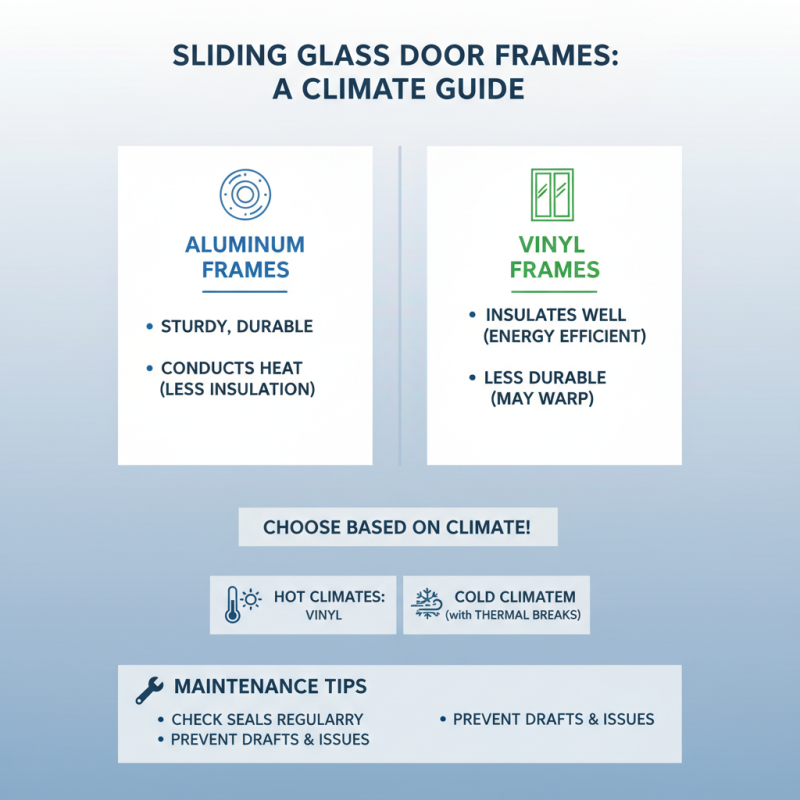
When you install sliding glass doors, consider the frame material carefully. Aluminum frames are sturdy but can conduct heat. Vinyl frames offer insulation, but may not last as long. Choose what fits your climate best. Maintain proper sealing to prevent drafts. Inspect the seals regularly to avoid hidden issues.
Cleaning sliding glass doors requires attention too. Regularly wipe down the tracks and glass panels. Dirt can accumulate quickly, causing operational problems. It’s best to keep a cleaning kit handy. Check for scratches on the glass that might need repair. Sometimes, it is better to opt for professional help rather than DIY fixes.
Lubrication is key for smooth operation. Apply silicone spray to tracks often. This ensures your doors glide smoothly. But, be cautious—too much lubricant can attract dust. It becomes a cycle of cleaning and maintaining. Not all installations turn out perfect; some doors may stick or jam. Reflecting on these issues can guide future improvements.