How to Choose the Best Sliding French Doors for Your Home Design
When contemplating the perfect architectural feature for your home, sliding French doors stand out as an elegant and functional choice that can transform a living space. According to a recent report by the National Association of Realtors, homes with appealing outdoor connections, such as sliding glass doors, can appreciate in value by as much as 10%. This statistic underscores the increasing demand for expansive openings that not only provide stunning views but also enhance natural light intake, seamlessly merging indoor and outdoor environments.
Choosing the best sliding French doors involves careful consideration of various factors, including material, energy efficiency, and design elements that complement your home's aesthetic. The U.S. Department of Energy notes that energy-efficient door systems can significantly reduce energy costs, further amplifying the appeal of well-chosen sliding French doors. Furthermore, they are an excellent choice for homeowners looking to increase accessibility and convenience, making them a practical solution for a wide range of spaces, from urban apartments to suburban homes. In this guide, we will explore the essential elements to consider when selecting sliding French doors to enhance both the functionality and beauty of your living environment.
Understanding the Aesthetic Appeal of Sliding French Doors
Sliding French doors combine functionality with aesthetic appeal, making them a popular choice in modern home design. These doors not only provide easy access to outdoor spaces but also enhance the visual flow between indoor and outdoor environments. According to the National Association of Home Builders, homes with open-plan layouts, which often include large sliding doors, are increasingly favored by buyers, with nearly 60% of new home designs featuring such elements. This trend highlights the significance of seamless transitions in residential architecture.
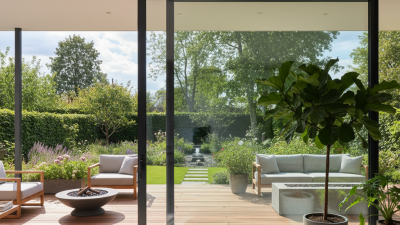
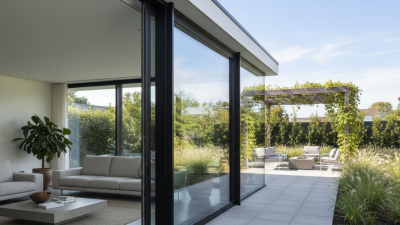
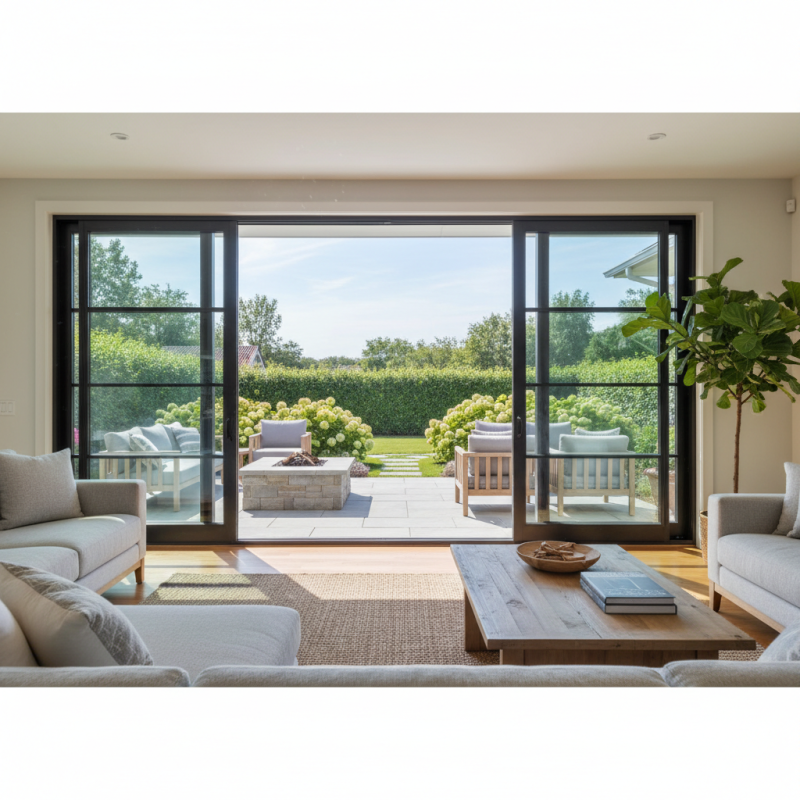
The aesthetic appeal of sliding French doors lies in their ability to flood interior spaces with natural light while framing views of the outdoors. A study by the American Society of Interior Designers indicated that homes with substantial natural lighting not only appear more spacious but also promote a positive mood and well-being among occupants. The elegant lines and expansive glass panels of sliding French doors can complement various architectural styles, from contemporary to traditional, making them versatile additions to any home. Thus, choosing sliding French doors can significantly enhance the overall design and ambiance of residential spaces, aligning with current preferences for bright, airy environments.
How to Choose the Best Sliding French Doors for Your Home Design - Understanding the Aesthetic Appeal of Sliding French Doors
| Attribute |
Option 1 |
Option 2 |
Option 3 |
| Material |
Wood |
Vinyl |
Aluminum |
| Glass Type |
Clear Glass |
Frosted Glass |
Low-E Glass |
| Finish |
Painted |
Stained |
Natural |
| Style |
Traditional |
Modern |
Transitional |
| Weight |
Lightweight |
Medium |
Heavy |
Assessing the Functional Needs of Your Space for Sliding Doors
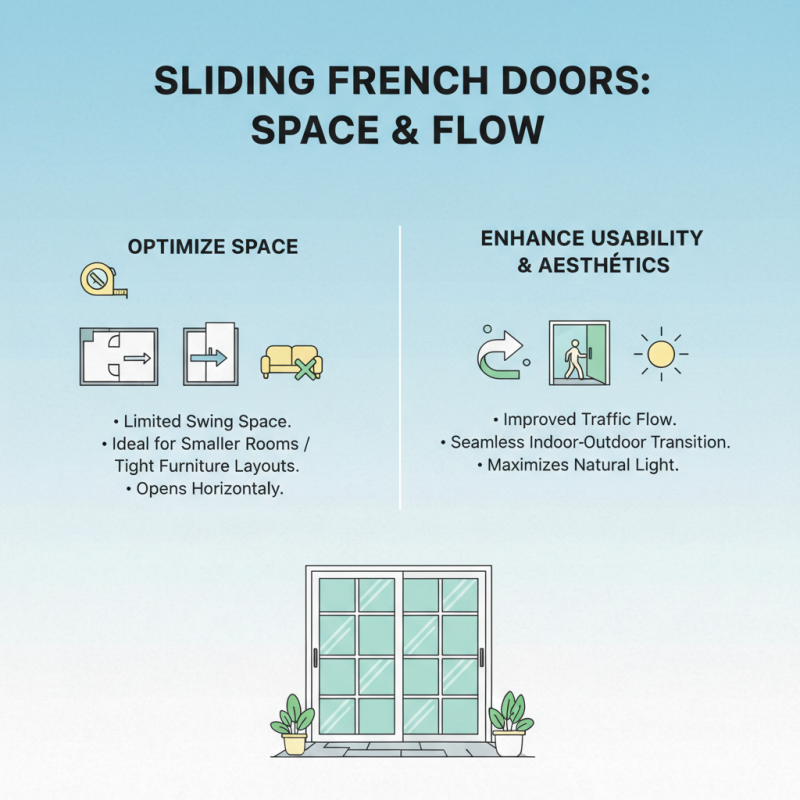
When considering sliding French doors for your home, it's essential to assess the functional needs of your space to ensure they enhance both aesthetics and usability. Begin by evaluating the layout of the room where the doors will be installed. Take into account the flow of traffic; sliding doors are ideal for areas with limited swing space since they open horizontally rather than into the room. This feature can be particularly beneficial in smaller spaces or areas with furniture layout that would obstruct the path of traditional swinging doors.
Next, think about the purpose these doors will serve. If the main goal is to create a seamless connection between indoor and outdoor spaces, ensure that the doors are large enough to provide ample views and accessibility. Additionally, consider factors such as insulation and security; if the doors lead to a patio or garden, they should effectively manage temperature variation and protect your home. By carefully evaluating these aspects, you can select sliding French doors that not only fit your design aesthetic but also meet your practical requirements, enhancing your living experience while adding to the overall charm of your home.
Material Options: Wood, Vinyl, and Aluminum for Durability and Style
When selecting sliding French doors for your home, the choice of material can significantly impact both durability and aesthetic appeal. Wood, vinyl, and aluminum are the three primary options you’ll encounter, each offering distinct advantages.
Wood is often praised for its natural beauty and warmth, making it a popular choice for traditional and rustic designs. However, it requires regular maintenance to prevent warping and rot.
In contrast, vinyl is a low-maintenance option that can mimic the appearance of wood without the associated upkeep. Vinyl doors are energy-efficient and resistant to fading, making them ideal for those seeking durability with a modern touch.
Aluminum, distinguished by its strength and resistance to corrosion, is perfect for contemporary settings where large glass panels are desired. Its sleek finish complements minimalistic designs, ensuring a refined look.
Tips: When choosing your sliding French doors, consider the climate of your area. If you live in a humid region, vinyl may be more suitable due to its resistance to moisture. For those seeking a timeless appeal, opt for wood but be prepared for added maintenance. Finally, always assess the thermal performance of the materials to ensure they align with your energy efficiency goals.
Energy Efficiency Considerations for Sliding French Doors
When selecting sliding French doors for your home, energy efficiency should be a top priority. These doors are more than just aesthetic elements; they play a crucial role in maintaining your home's temperature and reducing energy costs. Look for doors with double or triple glazing, which provide superior insulation by minimizing heat transfer. The space between the layers of glass can be filled with inert gases like argon to further enhance their thermal performance.
Tip: When considering the framing material, opt for options that offer better insulation, such as vinyl or fiberglass. They tend to have lower thermal conductivity compared to aluminum, which can lose heat more rapidly. Additionally, ensure that the doors are fitted with weatherstripping to prevent drafts and leakage.
Another critical aspect is the energy rating of the sliding French doors. Assess any relevant certifications, such as the National Fenestration Rating Council (NFRC) label, which provides information on the door's energy efficiency performance. Features such as Low-E (low emissivity) coatings can also reflect infrared light, keeping your home cooler in the summer and warmer in the winter.
Tip: Assess your home design and climate needs to select the type of glazing and frame materials that will provide the best energy efficiency. A well-chosen sliding French door not only enhances your home’s aesthetic but also contributes significantly to energy savings over time.
Customizing Your Sliding French Doors: Size, Design, and Accessories
When selecting sliding French doors for your home, customization plays a crucial role in achieving a cohesive design. The size of your doors is vital; according to industry reports, correctly sized sliding doors can enhance natural light and ventilation, leading to a 10% increase in energy efficiency compared to conventional doors. It's essential to measure your space accurately, considering both height and width to ensure a perfect fit that meets both aesthetic and functional needs.
Design elements offer further opportunities for personalization. From frame materials to glass options, homeowners can select finishes that complement their interior and exterior styles. Energy-efficient glazing is highly recommended; studies show doors with low-emissivity (Low-E) glass can reduce heat gain by up to 50%, making your home more comfortable year-round.
**Tips**: When deciding on your door design, think about the overall style of your home. A modern aesthetic may benefit from sleek, minimalistic frames, while a traditional home might call for more ornate designs. Additionally, consider adding accessories like decorative hardware or built-in blinds within the glass panels for added functionality and style.
Choosing the Best Sliding French Doors: Design Preferences