How to Choose the Perfect Exterior Front Door for Your Home?
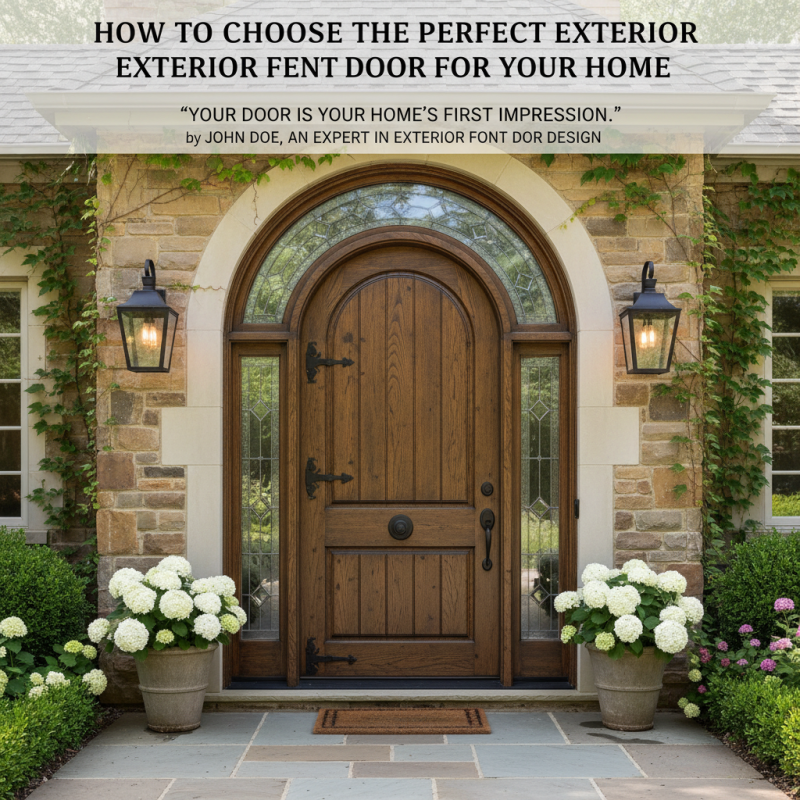
Choosing the perfect exterior front door for your home can feel overwhelming. “Your door is your home's first impression,” says John Doe, an expert in exterior front door design. This statement highlights the importance of making the right choice.
An exterior front door serves as a gateway. It enhances curb appeal and provides security. Selecting the right material is crucial. Wood, fiberglass, and steel each offer unique benefits.
Consider the design, color, and style. Are they in harmony with your home's architecture? It’s vital to reflect your personality while ensuring functionality. A poorly chosen door could lead to discomfort and extra costs. Take your time and reflect on your options. The perfect exterior front door is out there; you just have to find it.
Understanding Material Options for Exterior Front Doors
Choosing the right material for your front door is crucial. A door not only offers security but also enhances curb appeal. Different materials provide unique benefits and some drawbacks.
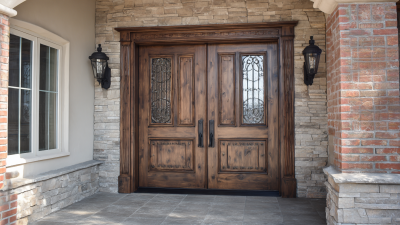
Wood doors are classic and stylish. They add warmth to your entryway. However, they may require regular maintenance. They can warp or crack in changing weather conditions. You need to think about your local climate before opting for wood.
Fiberglass doors are another popular choice. They are durable and can mimic the look of wood. They are also energy-efficient. However, some may find them less appealing than real wood. Metal doors, like steel, offer strength. They deter intruders effectively but can dent easily. Things to consider include your home’s style and your personal preferences. Each material has its pros and cons that deserve careful reflection.
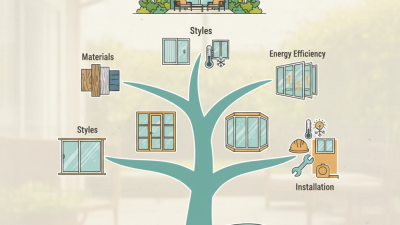
Material Options for Exterior Front Doors
Assessing Energy Efficiency Ratings for Your Front Door Selection
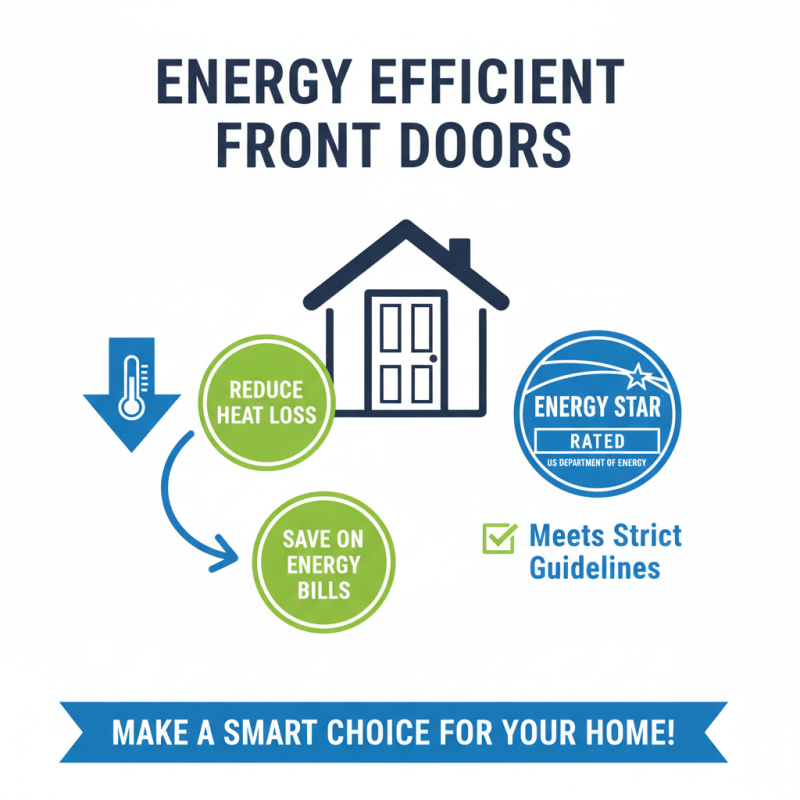
When selecting a front door, energy efficiency is crucial. According to the U.S. Department of Energy, doors can account for a significant percentage of heat loss in homes. Selecting an energy-efficient front door can help you save on energy bills. Look for doors with an Energy Star rating. These ratings indicate compliance with strict energy efficiency guidelines.
Think about insulation. A door with a good insulation value will perform better in extreme temperatures. For instance, doors with a U-factor of 0.3 or lower provide better insulation. Pay attention to the materials used. Fiberglass and steel doors generally offer better insulation than wood. They resist warping and tend to have a longer lifespan.
Tips: Check the door's R-value, which measures resistance to heat flow. Higher R-values indicate better insulation. Also, consider the weather stripping. Quality seals can prevent cold drafts and promote energy efficiency. Reflect on your local climate too. A door that works in a warm region might not be suitable for colder areas. Always assess your specific needs and environment.
Evaluating Security Features in Front Doors for Home Safety
Choosing the right exterior front door goes beyond aesthetics.
Security is a primary concern.
The front door is your home’s first line of defense. According to a study by the Bureau of Justice Statistics,
about 30% of burglars enter homes through the front door. This highlights the need for
enhanced security features.
Look for doors made from solid materials. Fiberglass and steel
offer better resistance compared to hollow core doors.
A solid door combined with strong locks can deter many intruders. The American National Standards Institute recommends
deadbolts as essential for strong security. They are difficult to pick and resist
forced entry.
Don’t overlook other features. Reinforced frames and security screens
add layers of protection. Some doors come with smart locks that allow remote access control.
However, technology can fail. Always have a backup method for entry.
Reinforcing your door may require investment,
but the cost is minor compared to potential losses from theft. Consider these factors when selecting your front door.
Choosing the Right Style to Enhance Curb Appeal and Value
Choosing the right style for your front door is crucial. It’s not just about security; it’s also about creating a welcoming appeal. The front door is often the first thing visitors see. A well-chosen door can enhance your home's character and value.
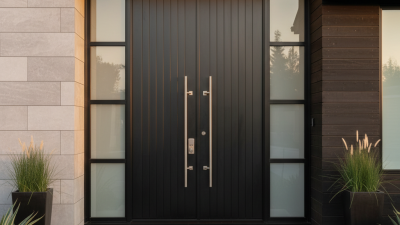
Consider your home's architectural style. A modern home might benefit from a sleek, minimalist door. Meanwhile, a traditional house could look stunning with a classic panel design. Balance is key. The door should complement not only your home but also the surrounding landscape.
Tips: Look at colors that harmonize with your exterior. Bold hues can make a statement, while neutral shades provide elegance. Don't forget the hardware; it can add a final touch to your door's overall look. Reflect on your choices; sometimes the most stunning doors need a bit of trial and error. Be open to experimenting until you find what truly feels right.
How to Choose the Perfect Exterior Front Door for Your Home?
| Criteria |
Options |
Benefits |
| Material |
Wood, Steel, Fiberglass |
Durability, Insulation, Aesthetics |
| Style |
Traditional, Modern, Craftsman |
Visual Appeal, Architectural Compatibility |
| Security Features |
Deadbolts, Smart Locks, Reinforced Frames |
Enhanced Safety, Peace of Mind |
| Energy Efficiency |
Insulated Doors, Low-E Glass |
Lower Energy Bills, Temperature Control |
| Color Options |
Neutral, Bold, Custom Colors |
Complementary to Home Exterior, Personal Style |
Considering Dimensions and Installation Factors for a Perfect Fit
When choosing an exterior front door, size matters. Measure the width and height of your door frame accurately. A door that is too big or too small can disrupt your home’s aesthetic. Pay attention to the thickness as well; a door that is too thin may not provide adequate security. Consider the surrounding elements, like the porch or steps, as they can affect the door's appearance once installed.
Installation can be tricky. Ensure that the door swings in the desired direction. This influences both functionality and traffic flow. You might consider hiring a professional for this task. However, self-installation can save money if done correctly. Double-check the level and alignment during installation. A crooked door can lead to gaps, resulting in poor insulation.
Choosing the right door isn’t just about style. Functionality is key. Think about weather resistance if you live in a rainy area. This influences the longevity of your door. Reflect on your choice regularly; sometimes, the door we love in concept doesn’t suit our day-to-day life. The perfect door should marry both beauty and practicality seamlessly.