What is the Best Front Entry Doors for Your Home?
Front entry doors are more than just entrances; they are key elements of your home’s first impression. Selecting the right door involves assessing style, security, and energy efficiency. Many homeowners overlook the impact of their choice. A beautiful front entry door elevates curb appeal but also adds to the overall security of your home. Choosing the best material also matters significantly.
There are various options available, such as wood, fiberglass, and steel. Each has unique advantages and disadvantages. Consider durability and maintenance requirements. This often leads to unnecessary costs down the line. Many homeowners regret not prioritizing quality over aesthetics.
Investing in reliable front entry doors enhances safety and energy efficiency. The right choices can lower heating and cooling bills. Don't settle for mediocre options; reflect on what truly fits your home's character. Your front entry door should tell a story that reflects your style and values.
Types of Front Entry Doors: A Comprehensive Overview
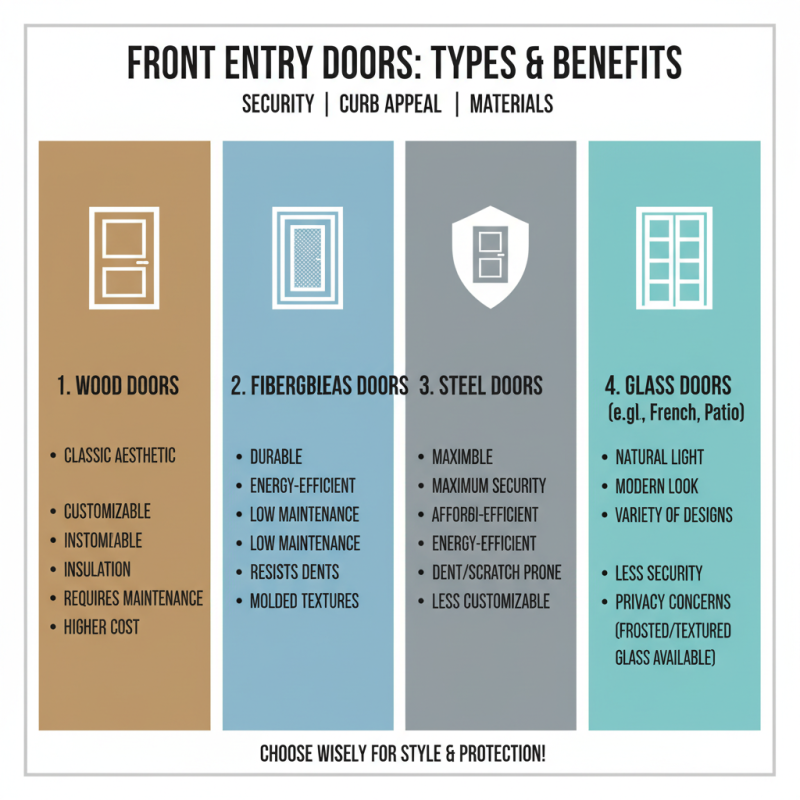
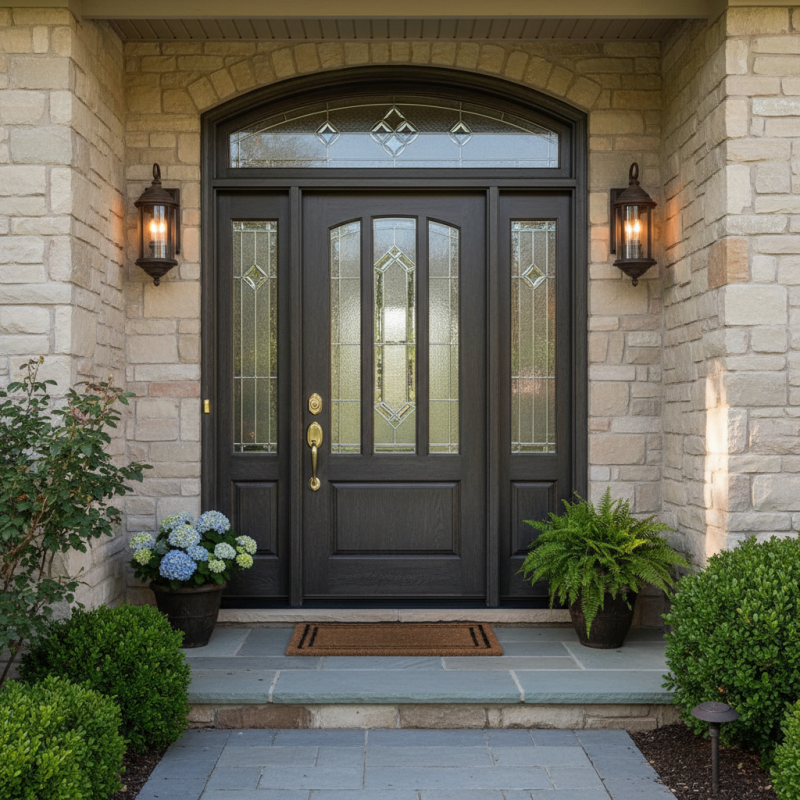
Front entry doors come in many styles and materials. Choosing the right type is crucial for both security and curb appeal. Common options include wood, fiberglass, steel, and glass. Each material offers unique benefits and drawbacks.
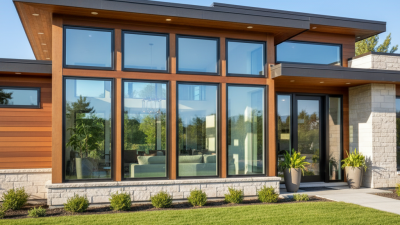
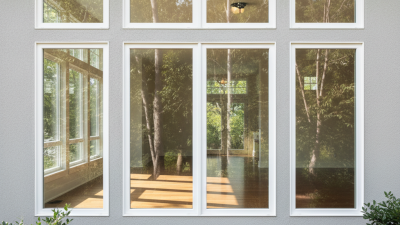
Wood doors provide warmth and elegance but require maintenance. They can warp in extreme weather. Fiberglass doors are durable and energy-efficient. They mimic wood, but they may lack the same character. Steel doors offer toughness and security, but they can dent. Lastly, glass doors let in light but can compromise privacy.
When selecting a front entry door, consider your climate. Warm regions might favor fiberglass for energy efficiency. In colder areas, insulated steel doors might be more suitable. Additionally, think about security features such as locks and frames. A door is only as strong as its installation.
Tips: Always check for warranties. Installation by a professional can prevent future issues. Consider the door's style and how it fits your home’s aesthetic. Ultimately, choose a door that reflects your personality and meets your needs.
Material Options for Front Entry Doors: Wood, Steel, and Fiberglass
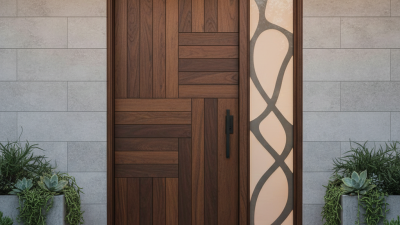
Choosing the right material for front entry doors can significantly impact your home's aesthetics and security. Wood doors offer a classic charm and can elevate the look of any home. They come in various styles, from rustic to modern. However, wood requires regular maintenance to prevent warping and weather damage. You must consider your local climate before opting for this material.
Steel doors are another excellent choice. They provide superior security and durability compared to wood. With steel, you won't have to worry about rot or severe weathering. Many steel doors come with impressive insulation properties, making them energy efficient. Yet, they can be prone to scratches and dents, which might require occasional touch-ups.
Fiberglass doors balance aesthetics and functionality well. They can mimic the appearance of wood but offer higher resistance to weather elements. This material is lightweight yet sturdy, making it easy to operate. However, some homeowners may find it less traditional in appearance. It's essential to weigh the pros and cons based on your personal preference and lifestyle. The best door reflects not only style but also your home's unique character.
What is the Best Front Entry Doors for Your Home? - Material Options for Front Entry Doors: Wood, Steel, and Fiberglass
| Material |
Durability |
Energy Efficiency |
Maintenance |
Cost Range |
| Wood |
Moderate |
Good |
High (requires refinishing) |
$500 - $3000 |
| Steel |
High |
Excellent |
Low (minimal upkeep) |
$300 - $1500 |
| Fiberglass |
Very High |
Excellent |
Low (easy to clean) |
$400 - $2000 |
Design Considerations: Style, Color, and Hardware Choices
When choosing front entry doors, style, color, and hardware are key factors. A well-designed door enhances your home’s curb appeal. Consider your architectural style first. Is your home modern, traditional, or rustic? Each style pairs well with distinct door designs. For modern homes, sleek, minimalist doors work best. For traditional homes, a classic wooden door adds warmth.
Color plays a crucial role in first impressions. Bold hues can make a statement, while neutral tones offer a timeless look. Think about the surrounding environment too. A bright red door might stand out beautifully against a white house. However, too much contrast can feel jarring. Balance is essential. Often, testing paint samples on your door helps visualize the final look.
Choosing the right hardware is equally important. Door handles, locks, and hinges should match your door's style. Sleek finishes complement modern designs, while ornate hardware suits traditional formats. Yet, finding that perfect balance can be challenging. You might choose fashionable pieces that don’t offer durability. Reflect on the long-term functionality of each choice. Prioritize quality over mere aesthetics.
Energy Efficiency Ratings: Importance and Benefits for Your Home
Energy efficiency ratings can significantly impact your choice of front entry doors. These ratings help you gauge how well a door can insulate your home. A well-insulated door retains heat during winter and keeps cool air inside during summer. By focusing on energy efficiency, you can reduce your heating and cooling costs.
Not all doors provide the same level of efficiency. Some doors may look appealing but lack insulation. Others may have excellent energy ratings but do not suit your home's style. It's crucial to balance aesthetic appeal with practical efficiency. Checking certifications can guide you in making informed choices. Consider the long-term benefits of a more efficient door against initial costs.
In an era of rising energy prices, energy-efficient doors are a smart investment. They not only lower utility bills but also enhance comfort. However, many homeowners overlook these benefits and focus solely on appearance. Reflecting on your door choice may lead to better home performance. This decision can impact your home’s resale value, too.
Security Features: Enhancing Safety with the Right Front Entry Door
When choosing front entry doors, security features are vital. A sturdy door can deter unwanted visitors. Consider solid wood or fiberglass options. These materials provide strength and durability against forced entry. Reinforced frames also add an extra layer of protection. Look for doors with multiple locks. Deadbolts are particularly effective.
Consider smart technology as well. Some doors integrate alarms or surveillance systems. These innovations enhance your home's safety. Always prioritize energy efficiency too. A well-insulated door reduces utility costs while keeping your home secure.
Reflect on how your door interacts with your home's design. It should blend style with function. A beautiful door doesn't have to sacrifice security. However, be cautious—high-tech locks can malfunction. Regular maintenance is essential to avoid such failures. Plan for potential repairs and updates to ensure lasting security.
Security Features of Front Entry Doors
This chart illustrates the effectiveness of various security features commonly found in front entry doors based on user preferences.