2026 Best French Doors for Your Home Design Needs?
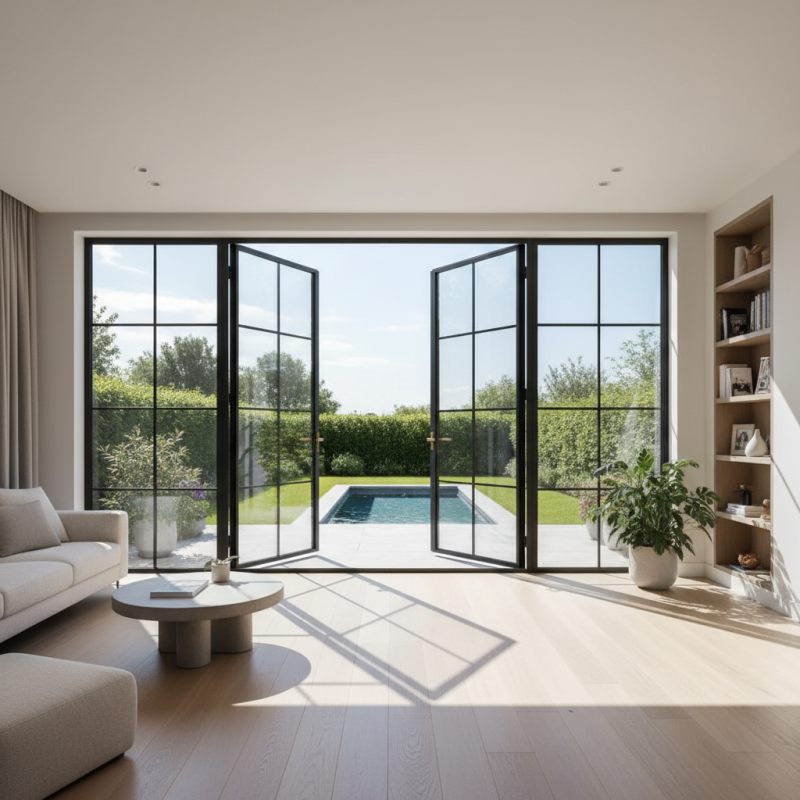
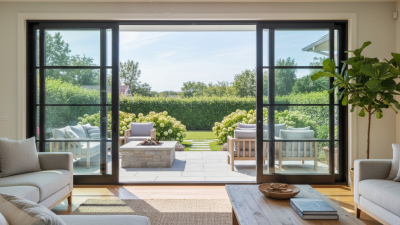
French doors are a stunning addition to any home design. They seamlessly blend indoor and outdoor spaces, creating an inviting atmosphere. Choosing the right set can elevate your entire aesthetic. The right french doors not only enhance beauty, but also improve functionality.
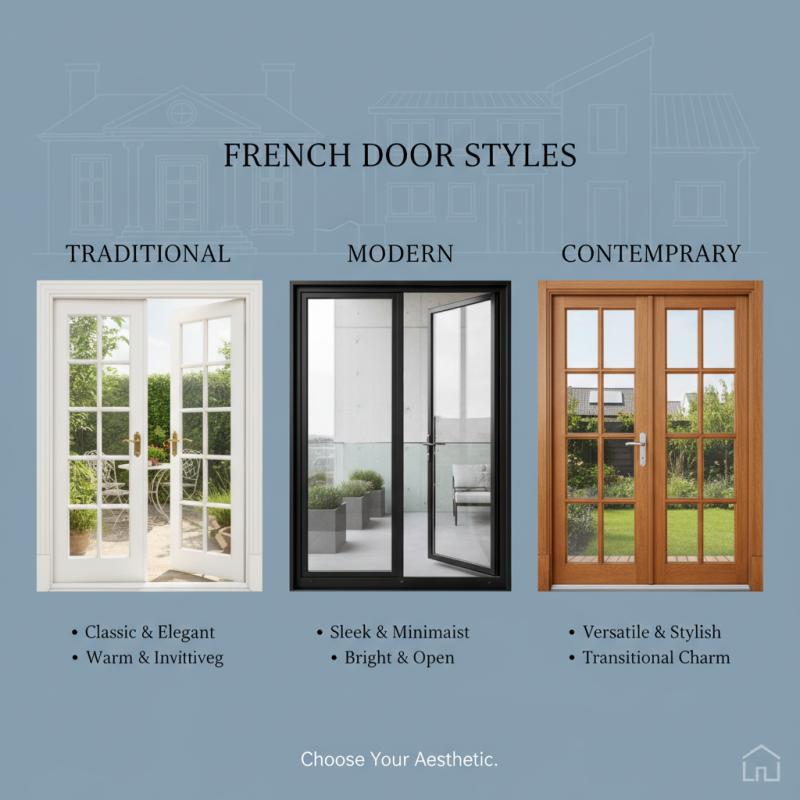
In 2026, homeowners are looking for options that reflect their unique styles. Some prefer modern, sleek designs, while others might gravitate toward traditional, ornate styles. It's essential to consider the material, color, and hardware as these elements can impact the overall look. Not every choice will meet every need.
Reflecting on your choices can be helpful. You may notice that a certain style you initially loved doesn't fit your space after all. Assessing dimensions, light flow, and even the surrounding decor is vital. French doors can transform your home, but careful thought is key to achieving the desired effect.
Choosing the Right Style of French Doors for Your Home
Choosing the right style of French doors for your home requires careful consideration. Different styles can influence the look and feel of your space. Think about your home's overall aesthetic. Do you prefer modern, traditional, or something in between? Each style brings its character.
Consider the material as well. Wood offers warmth but requires more maintenance. Aluminium looks sleek and is durable. If budget is tight, vinyl might be an option. These choices can affect longevity and upkeep.
**Tips:** Before making a choice, visualize how the doors fit into your existing design. Measure your space accurately to avoid mistakes. Narrow down your options based on functionality. Do you need doors that open wide for gatherings? Or something more subtle for everyday use? Each detail matters in the final look.
Be aware of lighting too. Glass panels can brighten rooms but might need extra privacy. Think about using curtains or shades for a balanced effect. Always keep your lifestyle in mind. Can a particular style handle your daily wear and tear? Reflect on these questions to find the perfect fit.
Materials Used in French Door Construction: A Comparative Guide
When considering French doors, the choice of materials significantly impacts aesthetics and functionality. Common options include wood, fiberglass, and aluminum.
Wood offers a classic appeal and excellent insulation. However, it requires regular maintenance and can warp over time. According to a recent industry report, over 45% of homeowners prefer wood for its charm, yet many regret the upkeep.
Fiberglass doors demonstrate resilience and energy efficiency. They mimic the look of wood without the maintenance hassles. Reports indicate that fiberglass doors can save up to 22% more energy compared to standard wooden doors. However, their upfront cost may deter some buyers. Choosing the right material should align with your lifestyle and long-term plans.
Aluminum frames provide modern aesthetics and durability. Despite being lightweight and resistant to rust, they conduct heat and cold, potentially increasing energy bills. Some manufacturers claim they can reduce energy costs by 10%. Nonetheless, homeowners may find the trade-off is not worth it, especially in extreme climates. Balancing cost, energy efficiency, and appearance is crucial in making the best decision for your home.
Energy Efficiency and Insulation Features of French Doors
When selecting French doors, energy efficiency is an important consideration. These doors can significantly impact your home's insulation. Look for models with double or triple glazing. Such features can minimize heat loss in the winter and maintain cool air in the summer. The right choice can lower energy bills, but it's crucial to assess placement and material too.
Insulation is closely linked to frame materials. Wood offers great natural insulation, but it requires more maintenance. Vinyl frames are often more affordable and resistant to moisture. Always check the energy ratings before making a purchase. Not all doors labeled as energy-efficient perform the same. Some seal poorly, leading to drafts. It can be a frustrating experience when the doors don't meet expectations, which highlights the importance of thorough research.
Enhancing Security with the Best French Door Options
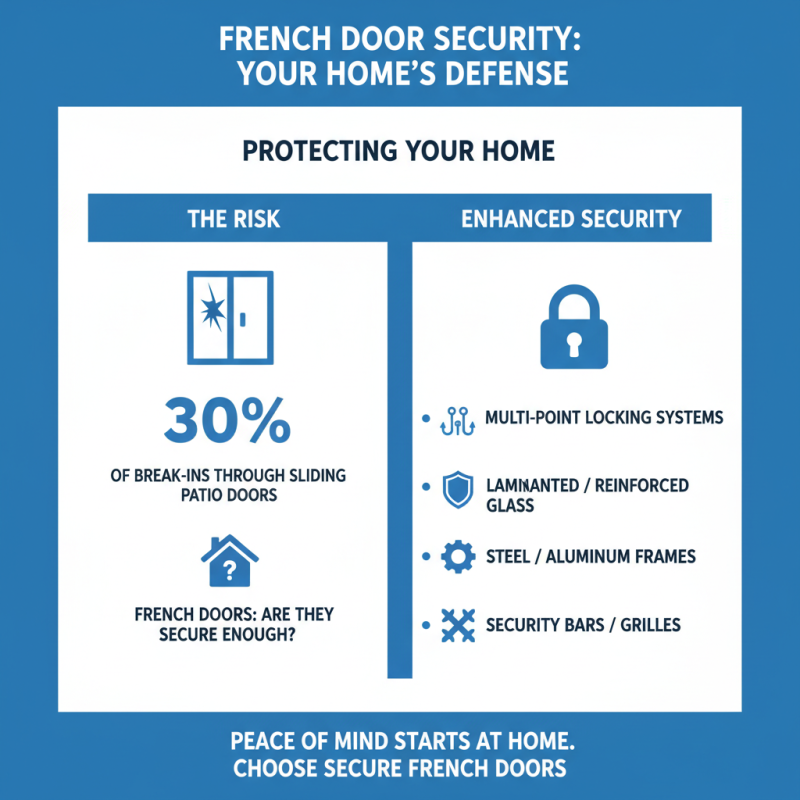
Security is a top priority for homeowners. French doors are a popular choice, but not all options provide the best protection. According to industry reports, nearly 30% of break-ins occur through sliding glass doors. This statistic highlights the need for enhanced security features in French doors.
When selecting French doors, consider materials and locking mechanisms. Solid wood or fiberglass doors perform better than hollow-core types. An upgraded multi-point locking system increases resistance against forced entry. A study by the American Security Door Association emphasizes that reinforced frames can reduce break-in attempts by 50%.
Tips for enhancing security include adding an adjustable security bar. This will act as a physical barrier. Another effective measure is installing security film on glass panels. This film makes it harder for intruders to break the glass. While aesthetics matter, don’t overlook practical features that can improve safety and security. Remember, a beautiful door is not much use if it can’t keep your home safe.
Installation Tips and Maintenance Advice for French Doors
When considering French doors, installation and maintenance are crucial for longevity and performance. According to the National Association of Home Builders, well-installed doors can improve energy efficiency by up to 30%. Installing French doors requires precise measurements. Make sure the frame is level. Uneven frames can lead to gaps, causing air leaks and increased energy costs.
**Tips:** Always use shims to adjust the door frame if needed. Sealing the gaps with weatherstripping can also enhance insulation.
Maintaining French doors isn’t as simple as it seems. Regular checks are essential, especially in changing seasons. Hinges should be lubricated every six months to prevent squeaking and ensure smooth operation. A study by the American Society of Home Inspectors found that neglected doors often lead to structural issues over time. Identifying problems early can save money.
**Tips:** Inspect for scratches or damage on the surface. Regular cleaning can prevent wear and tear. Use a mild cleaner for best results.
2026 Best French Doors for Your Home Design Needs
| Door Type |
Material |
Energy Efficiency Rating |
Price Range |
Maintenance Tips |
Installation Difficulty |
| Sliding French Doors |
Vinyl |
Energy Star Certified |
$1,200 - $2,500 |
Clean tracks regularly, inspect seals |
Medium |
| French Patio Doors |
Fiberglass |
R-Value 5.0 |
$1,500 - $3,000 |
Check for warping, lubricate hinges |
High |
| Traditional French Doors |
Wood |
Not Rated |
$1,800 - $4,000 |
Refinish every few years, check for rot |
Variable |
| Multi-slide French Doors |
Aluminum |
LEED Certified |
$3,000 - $5,500 |
Clear debris, check rollers |
Very High |
| French Bi-Fold Doors |
Composite |
Energy Star Certified |
$2,500 - $4,800 |
Inspect fold tracks, clean glass |
High |