
The 2026 Straw Beach Bag market is moving beyond decoration. Buyers now examine capacity, weave strength, lining quality, and material traceability. Grand View Research estimates that the global handbag market reached approximately USD 73.32 billion in 2023. It also forecasts steady growth through 2030. This figure covers all handbag categories, not straw beach bags alone. That limitation matters.
Meanwhile, fashion trend reports from WGSN and Euromonitor continue to highlight natural textures, handmade finishes, and versatile accessories. These signals support stronger interest in raffia, woven straw, and plant-fiber bags. Sharon Graubard, founder of trend consultancy MintModa, has noted, “Natural texture gives fashion a sense of authenticity and ease.” Her observation helps explain the appeal of the modern Straw Beach Bag. It feels relaxed, but it can still look polished beside a resort dress or linen shirt.
For buyers, the leading 2026 types may include oversized straw totes, structured basket bags, convertible crossbody styles, bucket bags, and compact shoulder bags. Oversized totes suit towels, sunscreen, books, and water bottles. Crossbody designs offer better movement during markets or coastal walks. Structured baskets create a sharper silhouette, although they may sacrifice storage space.
The choice is not always obvious. A beautiful weave can still snag. A wide handle can still become uncomfortable. The best Straw Beach Bag balances appearance, durability, weight, and practical use. This outline examines the strongest types, current design signals, and purchasing details that deserve closer attention. Some predictions may miss the mark. Consumer habits change quickly.
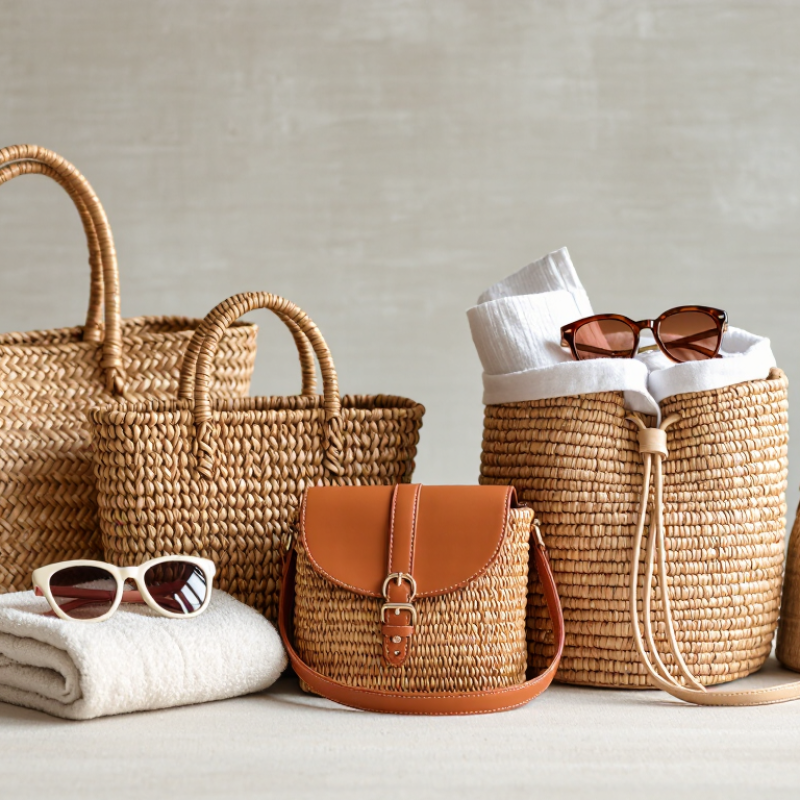
A straw beach bag in 2026 means more than a woven summer accessory. It usually combines plant-based fibers, such as raffia, seagrass, palm leaf, or paper straw, with a practical bag structure. The weave should feel firm, not brittle, and the handles should resist stretching when carrying towels, sunscreen, and a water bottle. Many current designs include cotton lining, inner pockets, magnetic closures, or washable inserts. These details improve daily use without hiding the bag’s natural texture.
The top types include roomy totes, compact shoulder bags, basket-style carryalls, and lightweight crossbody bags. Buyers should check the fiber description carefully. “Straw look” may describe synthetic material rather than actual straw. That is not automatically poor quality, but it changes breathability, texture, and environmental claims. A reliable seller should explain the material, lining, size, care method, and approximate weight. Still, the term can be too broad. Some bags look charming but lose shape after one crowded beach trip.
Tips:
Rub the weave gently with a dry cloth. Loose fibers may signal weak finishing. Place a folded towel inside and lift the bag for several seconds. Watch the seams and handle joints. Avoid overloading narrow handles. If the bag will meet sand or saltwater, choose a removable lining and allow it to dry fully. Natural fibers vary slightly in color, which is normal. Perfect uniformity may not be realistic, and I think buyers should accept some handmade irregularity.
In 2026, shoppers are favoring straw beach bags that combine texture, space, and easy carrying. According to Grand View Research, the global handbags market was valued at about USD 78 billion in 2023, with steady growth expected through 2030. Straw styles benefit from this wider demand for practical, visually distinctive accessories.
Oversized Straw Totes Oversized straw totes remain popular for towels, sandals, sunscreen, and water bottles. Their wide openings suit families and longer beach visits.
Shoulder & Crossbody Bags Medium woven shoulder bags appeal to buyers wanting lighter daily use. Crossbody straw bags also attract travelers because they keep both hands free.
Round and half-moon shapes add visual interest, but they may waste interior space. That detail is easy to overlook.
Natural raffia textures feel authentic, while tightly woven paper straw often offers a cleaner, more affordable finish. Buyers increasingly inspect lining quality, handle stitching, and closure strength. The 2024 McKinsey State of Fashion report also highlights consumer attention to value and product longevity, supporting demand for reusable bags rather than purely decorative pieces.
Tips: Select a lined tote for wet towels and rough sand. Choose crossbody designs with adjustable straps. Check whether the weave feels firm, not brittle. A beautiful bag can still fail at the handle. Personally, I would test the weight before buying. Bulkier styles often look useful but become uncomfortable after several hours.
For 2026, top straw beach bags will be judged by material behavior, not appearance alone. Raffia feels soft and flexible, making it suitable for folded towels and daily movement. Seagrass offers firmer structure, but its coarse fibers may scratch delicate clothing. Paper straw is lightweight and neat, yet moisture can weaken it quickly. Water hyacinth creates a thick, rustic surface, though it often adds weight.
Weaving style changes performance. A tight plain weave blocks sand better and holds small items securely. Open crochet weaving improves airflow and visual texture, but sunscreen bottles may slip through. A reinforced base helps the bag stand on wet boards. However, stitching remains critical. A beautiful weave cannot rescue loose handles. Textile Exchange reported that global fiber production reached about 124 million tonnes in 2023, with further growth expected by 2030. That pressure makes durable, responsibly sourced natural fibers more important for buyers. Grand View Research also valued the global handbags market at over 70 billion dollars in 2023, showing strong demand for functional accessories. These figures do not prove every straw bag is sustainable. Buyers should stay skeptical.
Tips: Press the base gently. It should resist collapsing. Check handle stitching, inner lining, and odor. My own buying mistake was choosing an airy weave for a beach trip; sand entered everywhere. A tighter weave would have worked better. Also, no straw material is fully waterproof. Store the bag dry and away from prolonged sunlight.
| Bag Type | Typical Material | Common Weaving Style | Approx. Weight | Structure & Capacity | Ventilation | Abrasion Resistance | Moisture Tolerance | Main Performance Advantage | Best Use | Buyer Considerations |
|---|---|---|---|---|---|---|---|---|---|---|
| Classic Straw Tote | Natural raffia, seagrass, or paper straw | Plain weave with reinforced edge binding | 350–650 g | Soft to semi-structured; approximately 15–25 L | High | Medium | Low–Medium | Lightweight construction with broad storage space for towels, clothing, and reading materials. | General beach trips and resort travel | Natural fibers can absorb water; select tightly finished edges and a lined interior for better durability. |
| Open-Weave Market Tote | Raffia, palm fiber, or woven paper cord | Loose open weave | 300–550 g | Flexible; approximately 12–22 L | Very high | Low–Medium | Low | Excellent airflow helps reduce heat and moisture buildup inside the bag. | Dry beachwear, scarves, and lightweight accessories | Small items may fall through the openings; an inner pouch or removable liner improves practicality. |
| Tightly Woven Straw Shopper | Raffia, paper straw, or treated natural fiber | Dense plain weave or twill-inspired weave | 500–850 g | Semi-structured; approximately 18–30 L | Medium | High | Low–Medium | Denser weaving improves shape retention and resistance to snagging. | Long travel days and heavier beach essentials | Usually heavier than open-weave designs; inspect handle attachment points and bottom reinforcement. |
| Round Handle Basket Bag | Seagrass, palm leaf, or rattan-style fiber | Coiled, braided, or basket weave | 600–1,100 g | Firm structure; approximately 10–20 L | High | High | Low–Medium | Rigid walls protect contents and maintain shape when placed on sand or flat surfaces. | Structured styling and organized packing | Harder to compress for luggage; rounded handles may be less comfortable under heavy loads. |
| Foldable Paper-Straw Tote | Paper straw or recycled paper fiber | Flat weave with flexible seam construction | 250–500 g | Flexible; approximately 12–24 L | High | Low–Medium | Low | Low weight and foldability make it convenient for packing into suitcases or carry-on luggage. | Occasional travel and space-saving packing | Paper-based fibers may crease or weaken when soaked; keep away from prolonged rain and seawater. |
| Braided Raffia Shoulder Bag | Natural or synthetic raffia | Hand-braided or rope-style construction | 350–700 g | Soft to semi-structured; approximately 8–18 L | High | Medium | Low–Medium | Braided strands provide flexibility and a comfortable drape while keeping the bag relatively light. | Short beach visits and casual sightseeing | Check braid tension and seam finishing because loose strands can lead to localized unraveling. |
| Rattan-Frame Straw Bag | Rattan frame with raffia, palm, or cotton-fiber panels | Basket weave with rigid frame | 650–1,200 g | Highly structured; approximately 8–16 L | Medium–High | High | Low–Medium | Rigid framing offers strong shape retention and better protection for delicate contents. | Day-to-evening resort use | Frame joints and closures add weight; avoid placing the bag under heavy luggage during transport. |
| Synthetic Straw Beach Tote | Polypropylene, polyethylene, or polyester straw-like fibers | Machine-woven flat or basket weave | 450–900 g | Flexible to semi-structured; approximately 15–30 L | Medium–High | High | Medium–High | More consistent resistance to splashes, staining, and repeated outdoor use than many untreated plant fibers. | Frequent beach use and family outings | Performance depends on polymer quality and stitching; synthetic fibers may retain heat and offer less natural breathability. |
| Insulated Straw-Style Cooler Tote | Straw-look outer material with polyester insulation and foil or PEVA lining | Dense outer weave with quilted or laminated interior | 700–1,400 g | Structured; approximately 12–20 L | Low | Medium–High | Medium–High | Insulation helps slow temperature gain for drinks and packed food when used with cold packs. | Picnics and extended beach stays | Heavier and less breathable than standard straw bags; interior seams and zipper quality are important for leak control. |
| Mini Straw Crossbody Bag | Raffia, paper straw, or synthetic straw fiber | Fine plain weave or compact crochet-style weave | 180–400 g | Compact; approximately 2–6 L | Medium–High | Medium | Low–Medium | Hands-free carrying with enough capacity for a phone, wallet, keys, and small personal items. | Walking along the beach or casual sightseeing | Limited capacity; a secure zipper or flap helps protect small valuables from sand and accidental loss. |
Performance ranges are typical buying-guide estimates for comparable constructions. Actual results vary with fiber quality, coating, lining, stitching, handle reinforcement, and exposure to water, salt, sand, and sunlight.
The strongest 2026 straw beach bag types include flat totes, structured baskets, bucket bags, and lightweight crochet styles. Buyers should compare construction before appearance. A dense, even weave usually resists snagging better than loose decorative strands. Check the base carefully. It should sit flat without soft gaps or visible cracking.
Measure the bag against real use. A large tote may hold a towel, water bottle, sunscreen, and book, but overloaded handles can stretch quickly. Compare handle width, attachment stitching, lining quality, closure design, and empty weight. Cotton lining feels practical, while an unlined bag dries faster after beach use. However, sand can collect inside. A zipper improves security, but adds weight and may corrode near saltwater. No feature is perfect.
Sustainability also deserves evidence, not vague wording. The Circularity Gap Report 2024 estimated that only 7.2% of global material use was circular in 2023.
Buyers can ask about fiber origin, dyes, lining composition, and repair options. The IBM Institute for Business Value’s 2020 global consumer study surveyed 18,980 people across 28 countries; 57% said they would change purchasing habits to reduce environmental impact. That supports checking durability before choosing a low-priced bag.
Look for reinforced handles and clear care instructions. A natural-looking finish can hide weak glue or brittle fibers. Product photos are not enough. Compare measurements, material details, return terms, and independent customer reviews before purchasing.
In 2026, buyers can choose among roomy straw totes, compact crossbody bags, bucket shapes, and structured carryalls. Each type suits a different beach routine. A large tote works well for towels, sunscreen, water bottles, and children’s accessories. Look for reinforced handles and a wide opening. Thin handles may feel attractive, but they can press painfully against your shoulder.
A crossbody straw bag suits buyers who prefer free hands during seaside walks or market visits. Choose an adjustable strap and a secure closure for keys and cards.
A bucket bag offers flexible storage without feeling overly formal. It works for light packing, although loose weaving may allow sand inside. For phones and sunglasses, an inner fabric pocket is genuinely useful. I once underestimated this detail.
Buyers should also inspect the lining and base before purchasing. Straw usually resists light dust, not heavy moisture or seawater. A lined tote provides better protection, but it still needs to dry fully after accidental splashes. For crowded beaches, select a flatter design that stays close to the body. For long afternoons, prioritize a broad base and balanced weight. Color matters less than comfort, yet very pale straw can show marks quickly. That trade-off deserves honest thought. A beautiful bag may become inconvenient when overloaded, so test it with realistic items before buying.
