What Are the 10 Best Exterior Sliding Doors?
Choosing among the 10 best exterior sliding doors requires more than comparing photographs and prices. A door may look elegant while allowing drafts around the meeting stile. Another may glide smoothly but offer weak water resistance during heavy rain. This guide evaluates each option through practical criteria, including frame strength, glass performance, weather sealing, security hardware, accessibility, maintenance, and warranty support.
Energy performance deserves close attention. The U.S. Department of Energy reports that windows can represent approximately 25–30% of residential heating and cooling energy use. Sliding doors often contain larger glass areas, so low-emissivity coatings, insulated glazing, and properly installed weatherstripping can influence indoor comfort. NFRC certification provides independently verified ratings for U-factor, solar heat gain coefficient, visible transmittance, and air leakage. Those figures are useful, but they do not replace careful installation.
Looks are not enough.
Industry guidance from the Fenestration and Glazing Industry Alliance also emphasizes tested air, water, structural, and operating performance. We will use these principles when examining leading products and realistic homeowner needs. A coastal property may require different protection than a shaded suburban patio. A large opening may demand stronger rollers and reinforced tracks. Even the best-rated door can disappoint when the sill is poorly flashed or the opening is out of square. That limitation matters. Product rankings can simplify decisions, but they cannot predict every site condition. Expect clear comparisons, practical observations, and a few honest compromises behind each recommendation.
What Defines a High-Quality Exterior Sliding Door?
What Are the 10 Best Exterior Sliding Doors?
What Defines a High-Quality Exterior Sliding Door?
High-quality exterior sliding doors do more than open a view. They manage wind, rain, heat, noise, and daily movement without feeling fragile. During site inspections, I check the frame before admiring the glass. Straight tracks, tight corner joints, and consistent gaps reveal careful manufacturing. A door should glide with one hand. However, effortless movement can hide weak hardware, so I test the lock and rollers repeatedly. The best systems resist forced lifting and remain stable when partially open.
Weather performance starts with drainage, not marketing language. Look for sloped thresholds, clear weep paths, durable seals, and corrosion-resistant fasteners. After heavy rain, water should move outward instead of collecting beside the interior floor. Low-emissivity glass can reduce heat gain, while insulated frames improve comfort near the opening. Yet specifications need context. A high insulation rating does not fix poor installation, uneven masonry, or missing shims. Measure the wall opening carefully, and confirm the sill can handle local weather.
Security depends on several ordinary details working together. Use a strong lock, reinforced keep, anti-lift protection, and safety glass where appropriate. Smooth operation also matters for children, older adults, and anyone carrying groceries. I once focused too much on appearance and overlooked a stiff roller. That mistake changed my inspection routine. Now I open each panel slowly, listen for scraping, and check the seals at eye level. Small defects often become expensive repairs. During handover, I record roller alignment, lock engagement, and any daylight around the seals.
Which Materials and Designs Suit Different Outdoor Spaces?
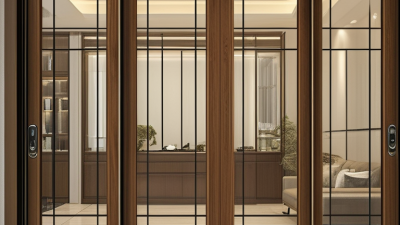
When choosing among the ten best exterior sliding door options, start with the outdoor space, not the room’s decoration. A coastal balcony needs corrosion-resistant aluminum or fiberglass. These materials handle salt air better than untreated steel. A shaded garden room can suit warm wood, especially with a deep protective finish. Wood feels inviting. It also demands regular inspection. In renovation projects, installers often find that drainage matters as much as the door material. A beautiful frame still fails when water has nowhere to go.
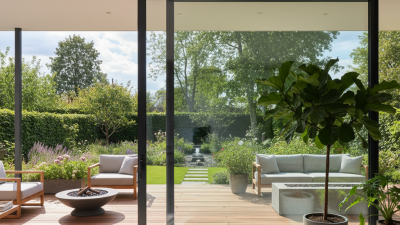
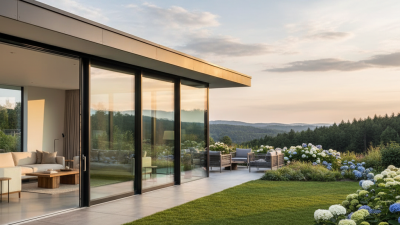
For narrow patios, a two-panel vinyl or fiberglass slider keeps the track simple and affordable. Vinyl needs little upkeep, but darker colors may expand in intense sun. A wide terrace benefits from a multi-slide or lift-and-slide design. Large glass panels open generous views, yet they add weight and require precise installation. Pocket sliders disappear into the wall, making them useful beside compact decks. Their wall cavity needs careful waterproofing. Details matter.
Steel-clad wood suits sheltered, modern spaces where strength and a refined interior finish matter. Composite frames can balance insulation, durability, and low maintenance, although quality varies between systems. For windy sites, choose laminated glass, strong locks, and tested wind ratings. I once favored the largest opening possible; later, I noticed it made furniture placement awkward. More glass is not always better. Check sill height, threshold access, shade, and local weather before choosing the final design.
How Do the Ten Best Exterior Sliding Doors Compare?
The ten best exterior sliding doors differ less in appearance than in daily performance. A strong comparison starts with the frame. Fiberglass and reinforced aluminum resist moisture well, while timber offers warmth but needs regular sealing. Vinyl can provide good insulation, although its color choices and structural strength may be limited.
Glass quality changes comfort dramatically. Double-pane low-emissivity glass reduces heat transfer and outdoor noise. Triple-pane units suit colder climates, but they add weight and cost. Check the door’s air, water, and forced-entry ratings rather than trusting attractive photographs. A low threshold helps wheelchair users and reduces tripping, yet it may require better drainage during heavy rain. Small details matter.
Roller systems deserve close attention. Stainless-steel rollers usually move smoothly and tolerate damp conditions. Poor adjustment can make even an expensive door drag across the track. I have found that track cleaning affects performance more than many buyers expect. Security improves with multi-point locks, reinforced panels, and anti-lift features. Still, no sliding door is completely secure without correct installation.
Energy performance should match the room’s exposure. A west-facing opening may need solar-control glass, exterior shading, or both. Compare warranties carefully. Some cover the frame but exclude glass seals, hardware, or labor. That difference can become expensive. Installation quality remains the weak point in many comparisons. An imperfectly squared opening can cause leaks, drafts, and uneven gaps. The “best” door depends on climate, opening size, traffic, maintenance tolerance, and budget—not just its showroom finish.
The comparison uses a 100-point suitability index based on typical thermal insulation, weather resistance, durability, maintenance needs, and ease of operation. Scores represent general door-system characteristics rather than any specific manufacturer or product.
How Should You Choose and Maintain an Exterior Sliding Door?
Choosing among the 10 best exterior sliding doors starts with your home’s conditions, not appearance alone. Measure the opening twice, including width, height, and wall depth. A small error can create drafts, leaks, or difficult operation. Look for durable frames, strong rollers, secure locks, and low-emissivity glass. In wet or windy areas, prioritize weather seals and a raised, well-drained track. Sun exposure also matters. Some finishes fade faster than expected.
Tips: Test the door before buying. Slide it slowly. Listen for grinding. Check whether the panels align evenly. Ask about replacement rollers and seal availability. A beautiful door becomes frustrating when small parts are impossible to source.
Maintenance should be simple but consistent. Vacuum the track every few weeks, especially after windy weather. Wipe it with a damp cloth, then dry it fully. Inspect seals for cracks and check the drainage openings near the sill. Never force a stiff panel. Dirt may be trapped inside the rollers, but the frame could also be shifting. I once assumed lubrication would solve everything; it only hid the real problem for a short time. Use a lubricant recommended for the door’s materials, and avoid excess oil that attracts dust. Tighten accessible hardware carefully. If glass is cracked, the frame is distorted, or water enters repeatedly, contact a qualified installer. Even good doors need attention.